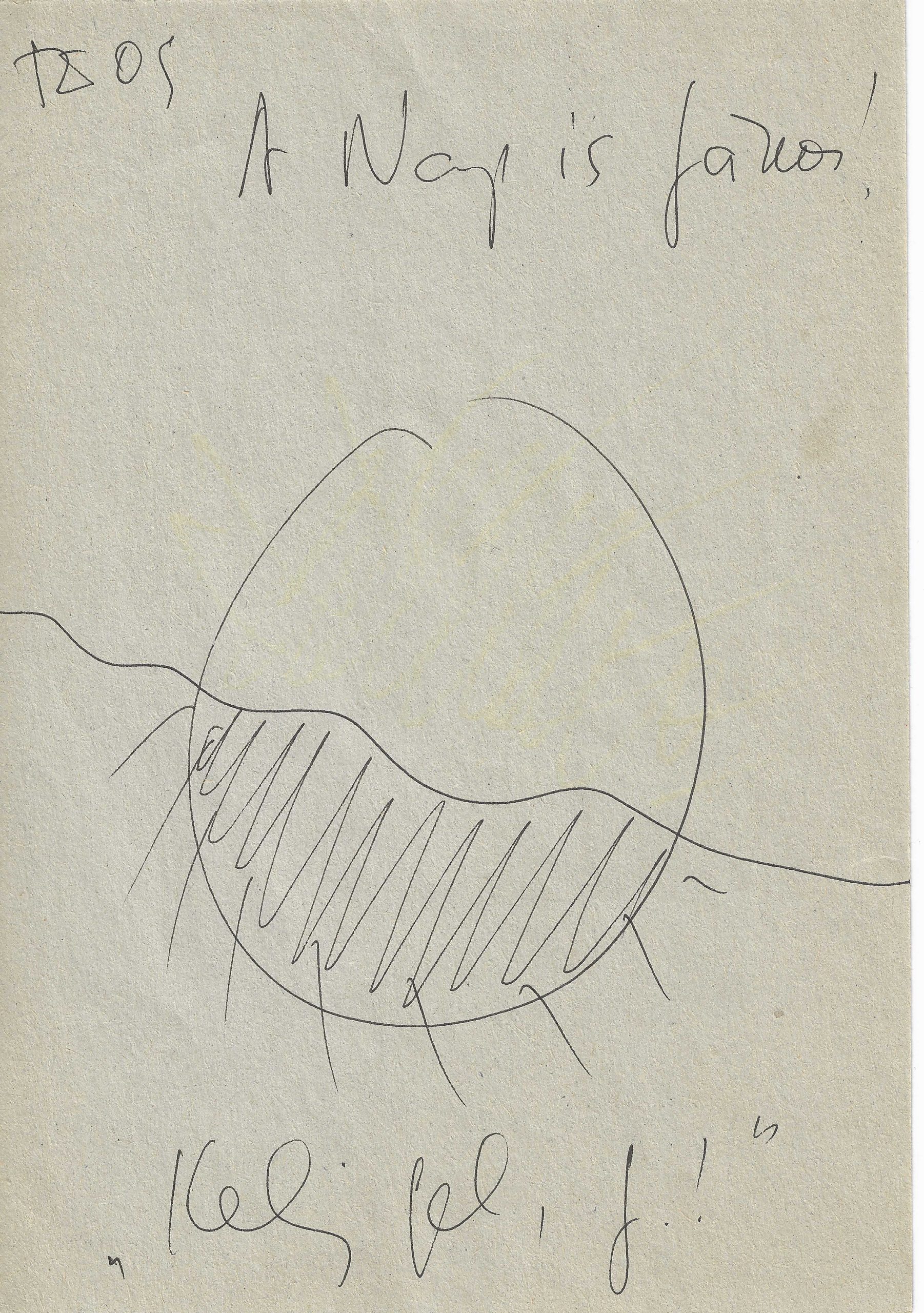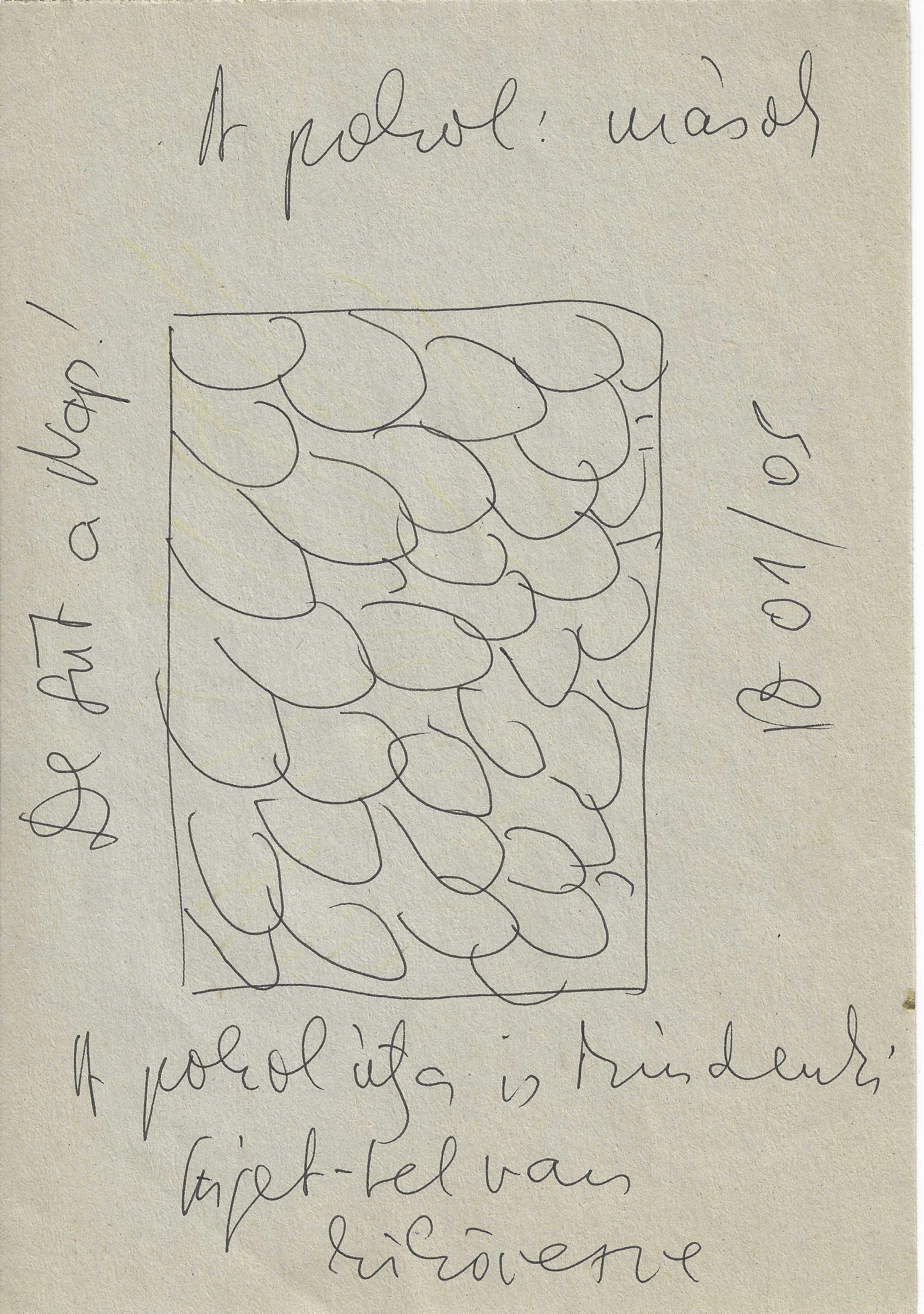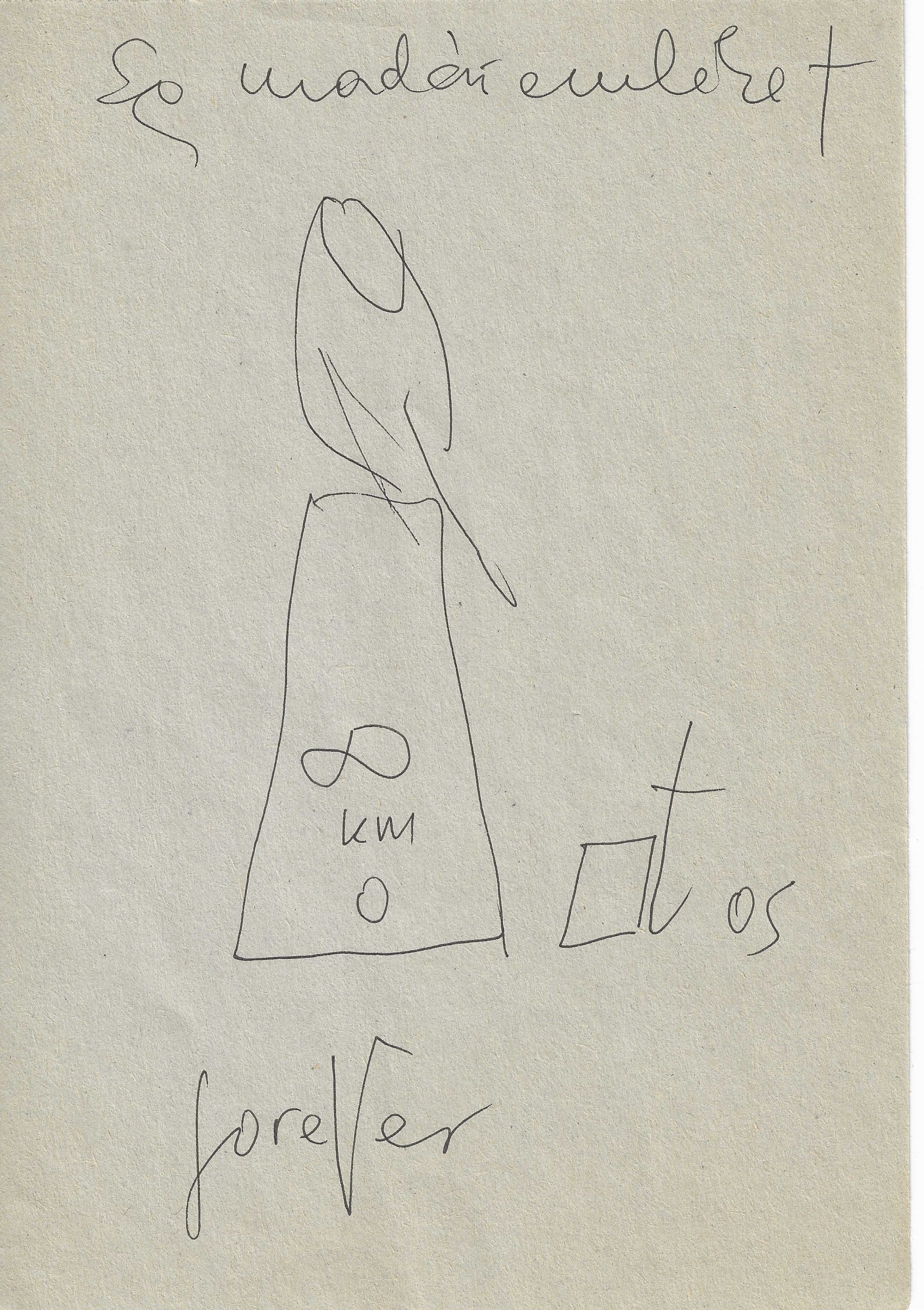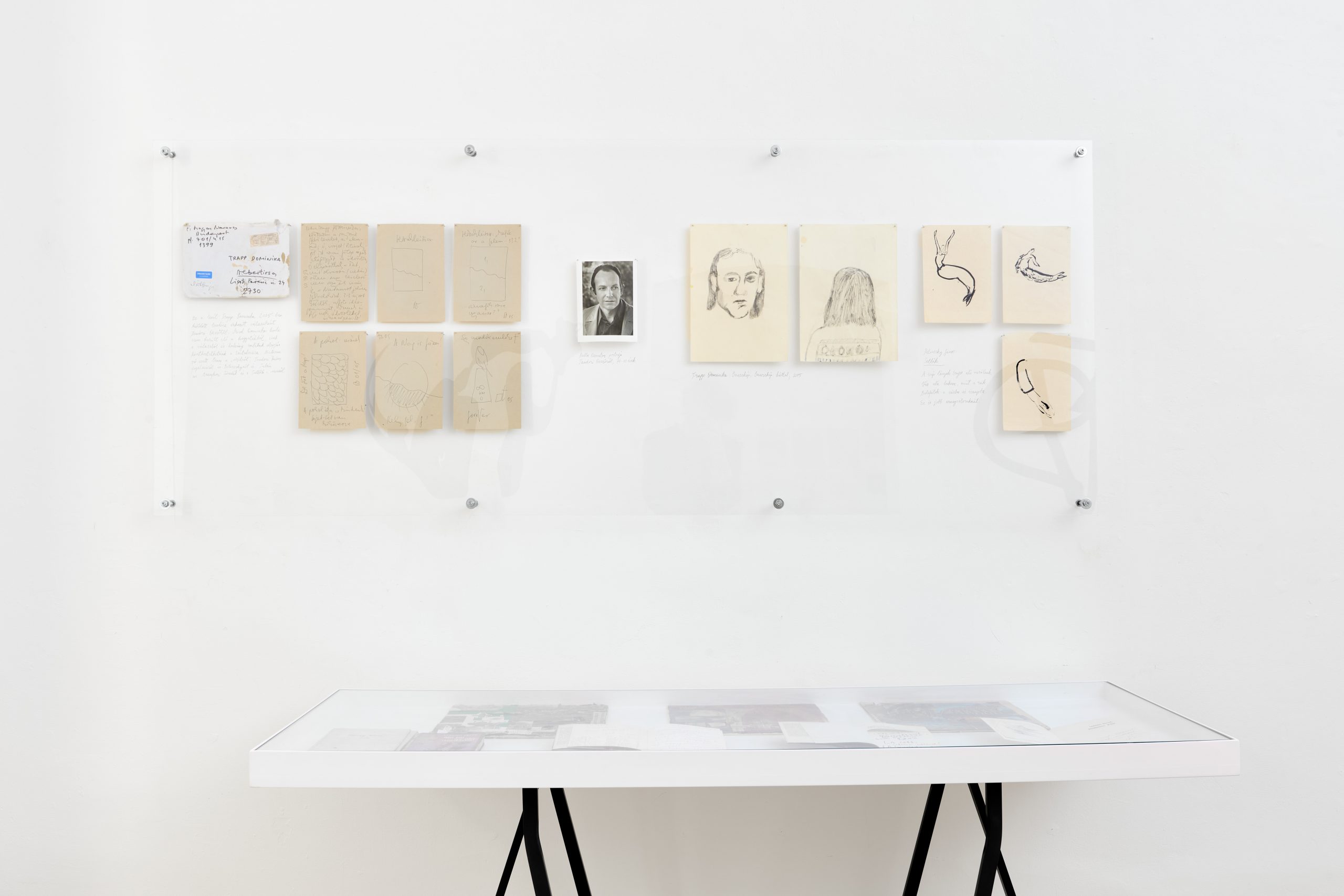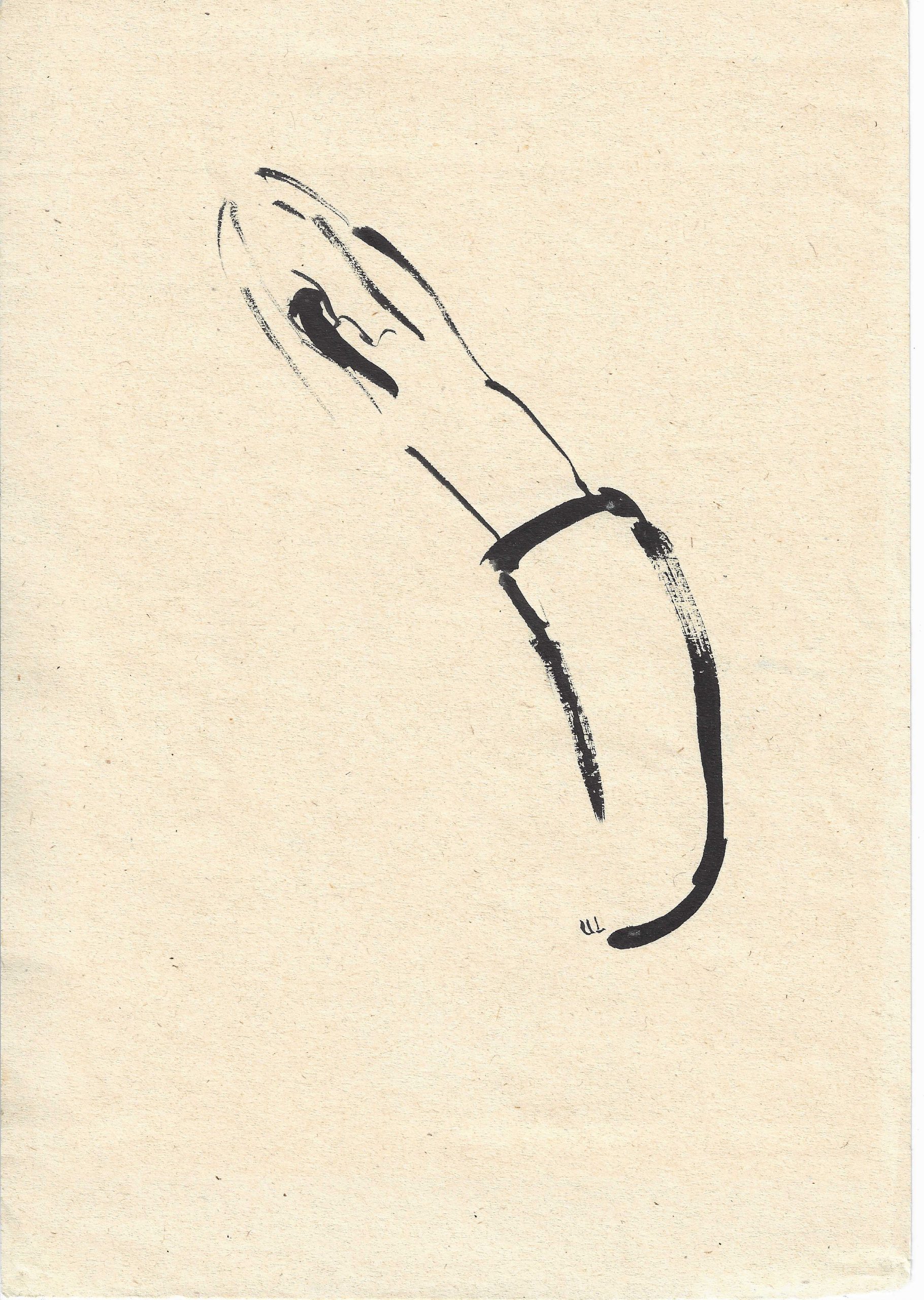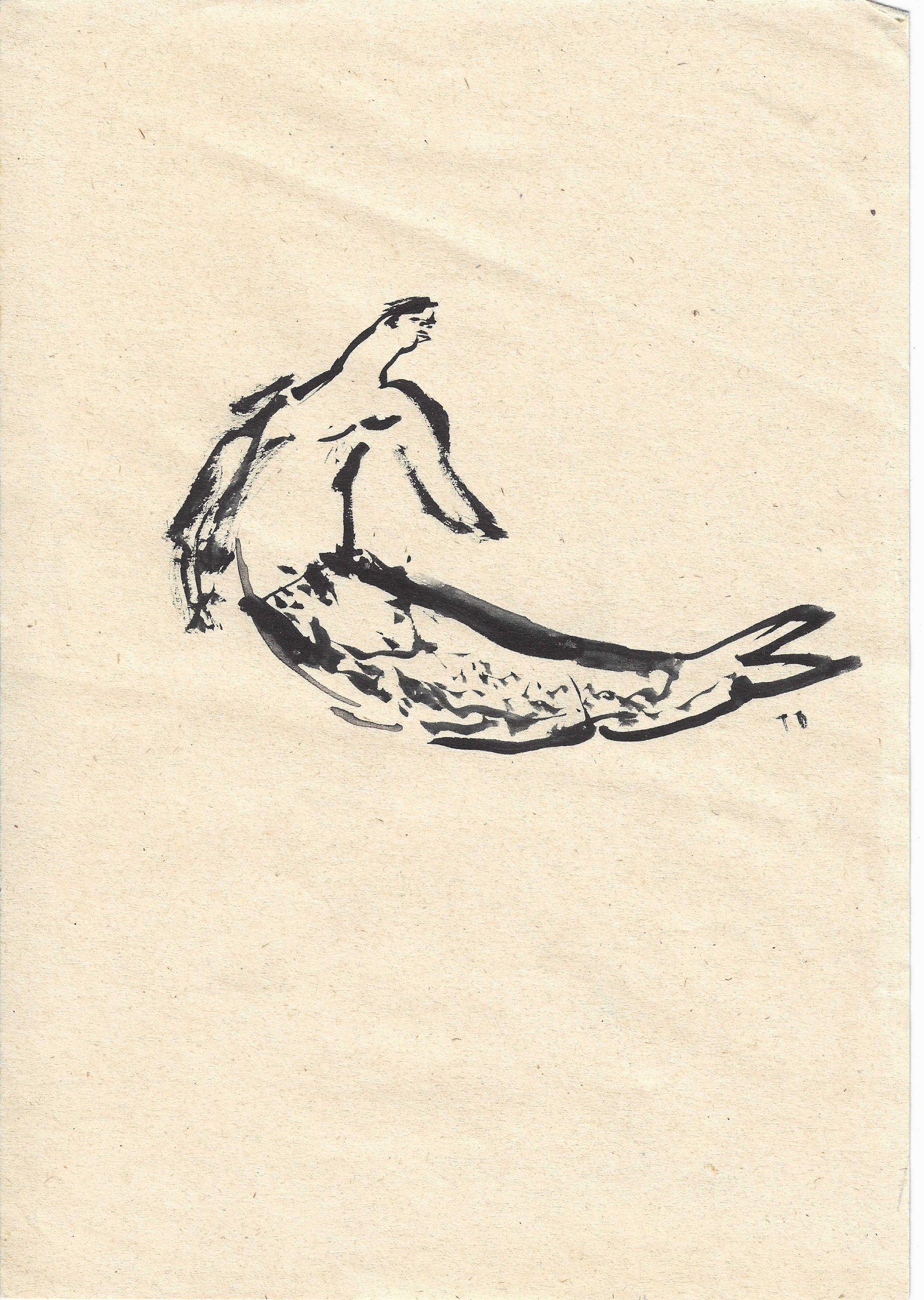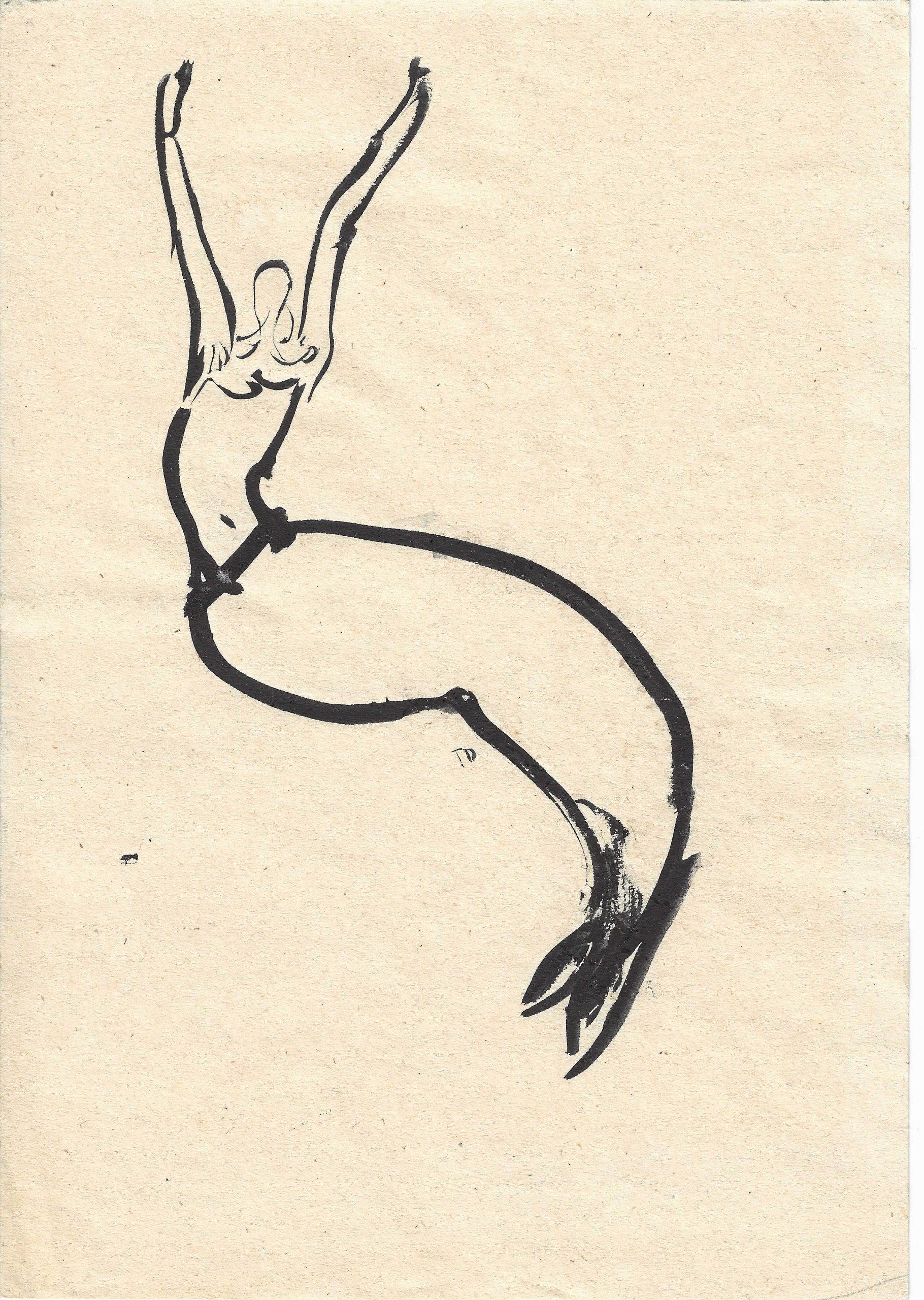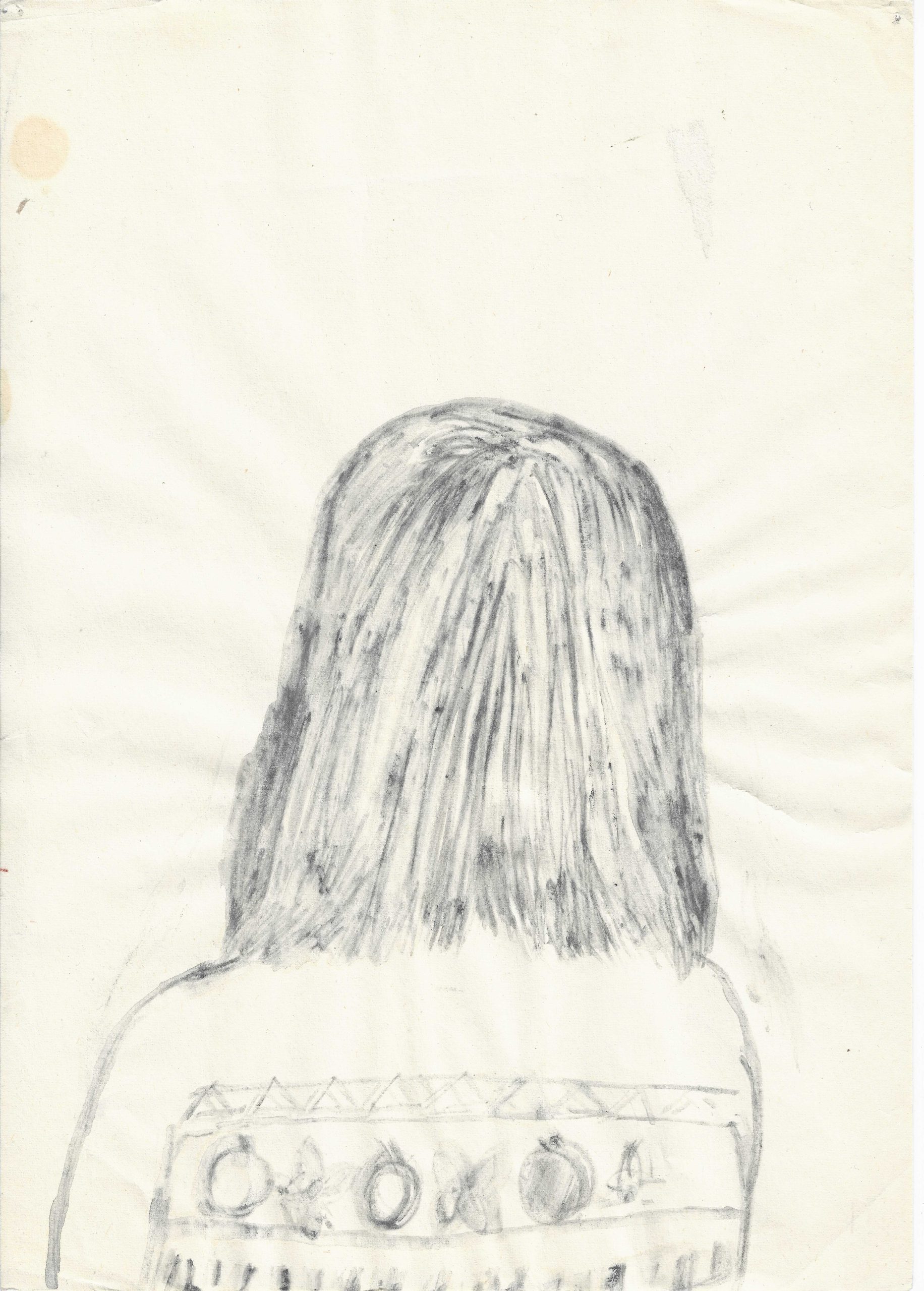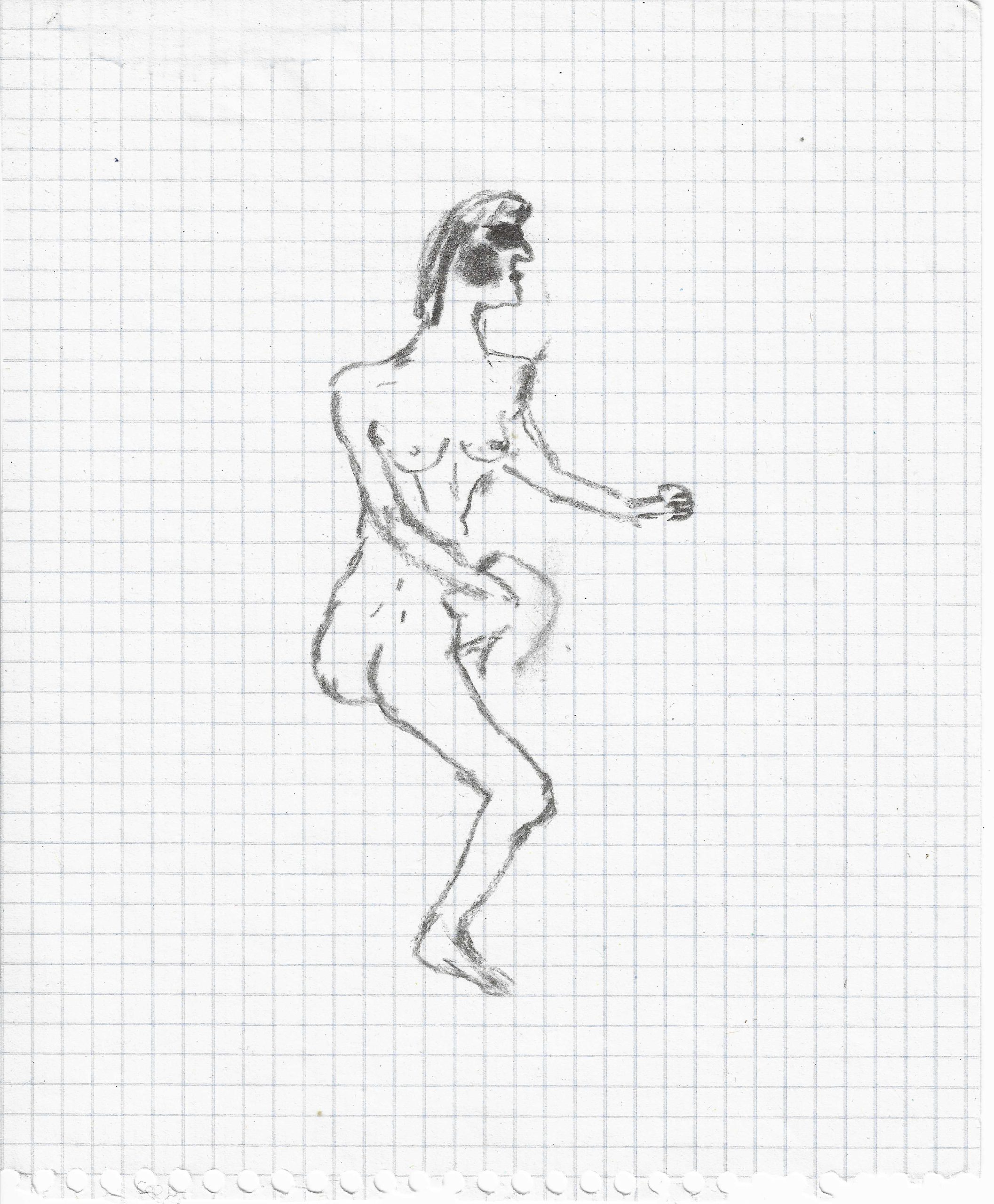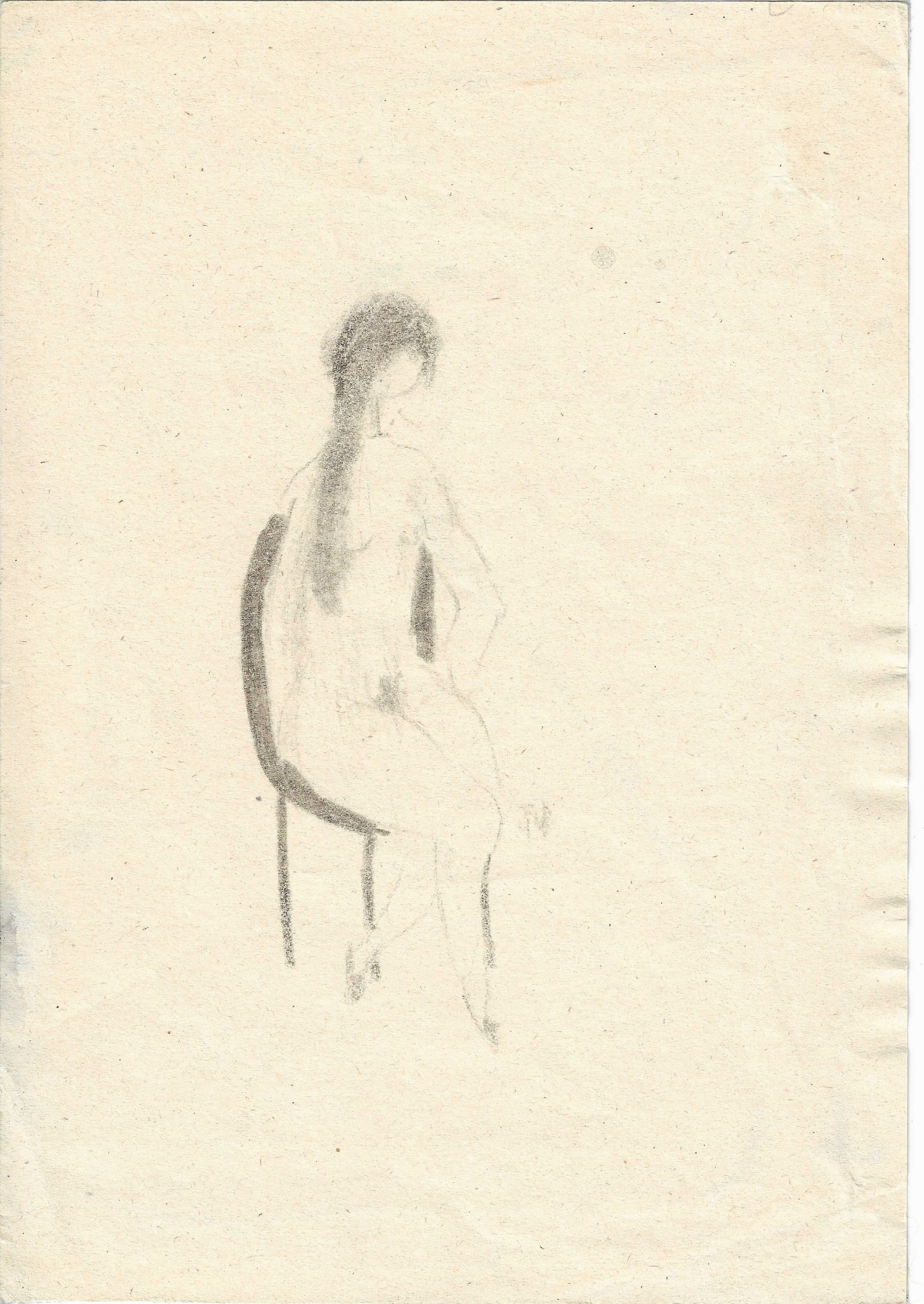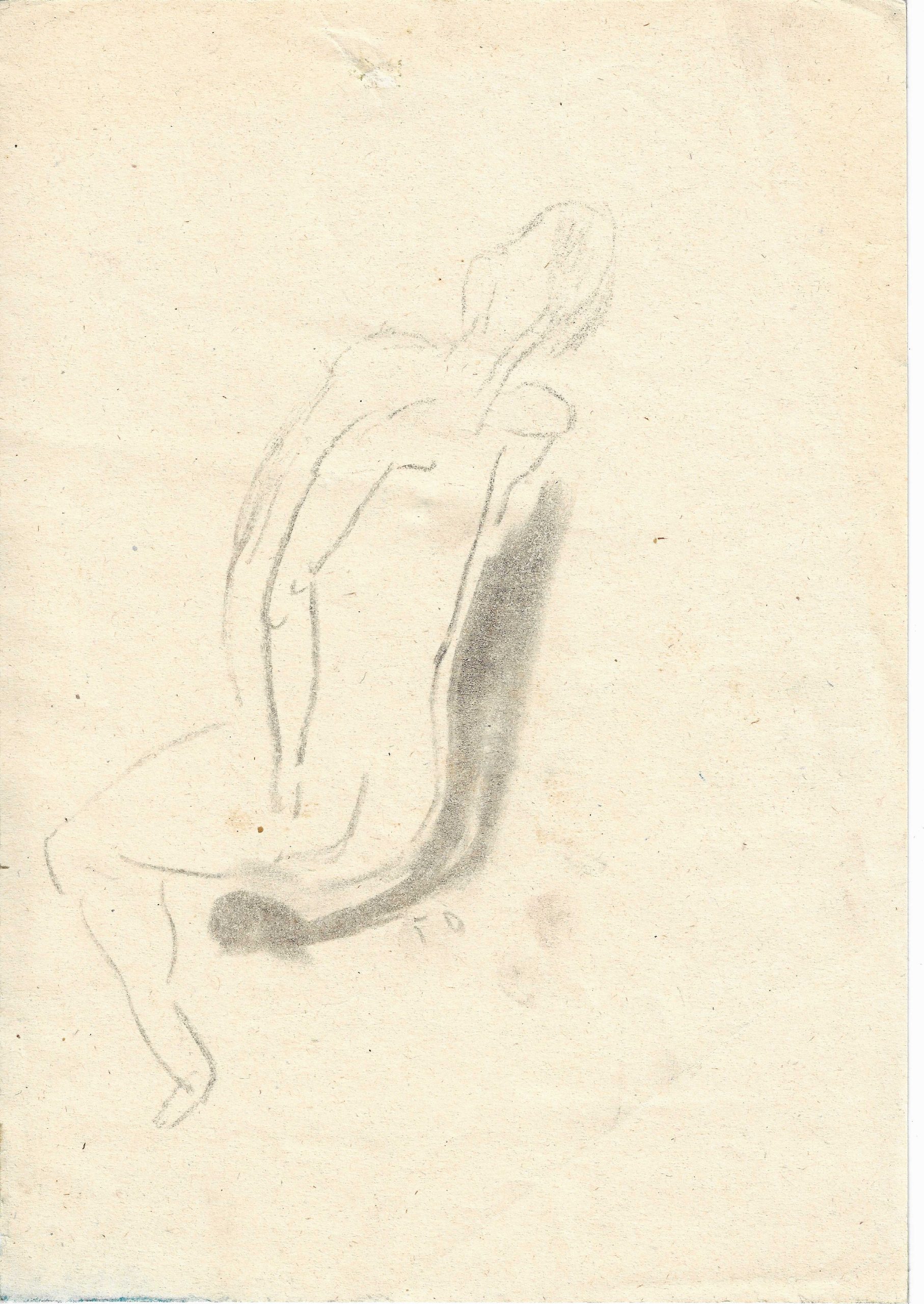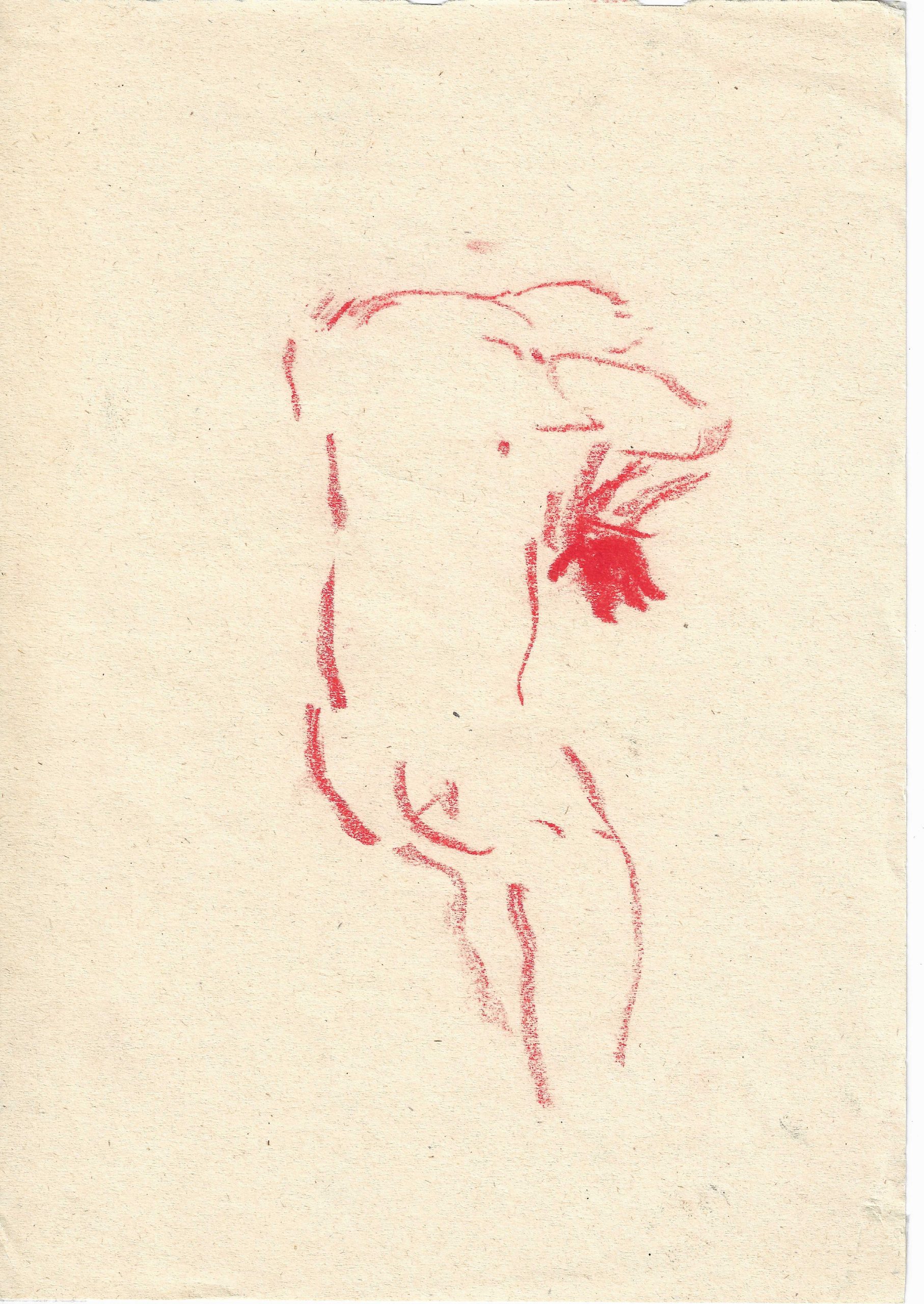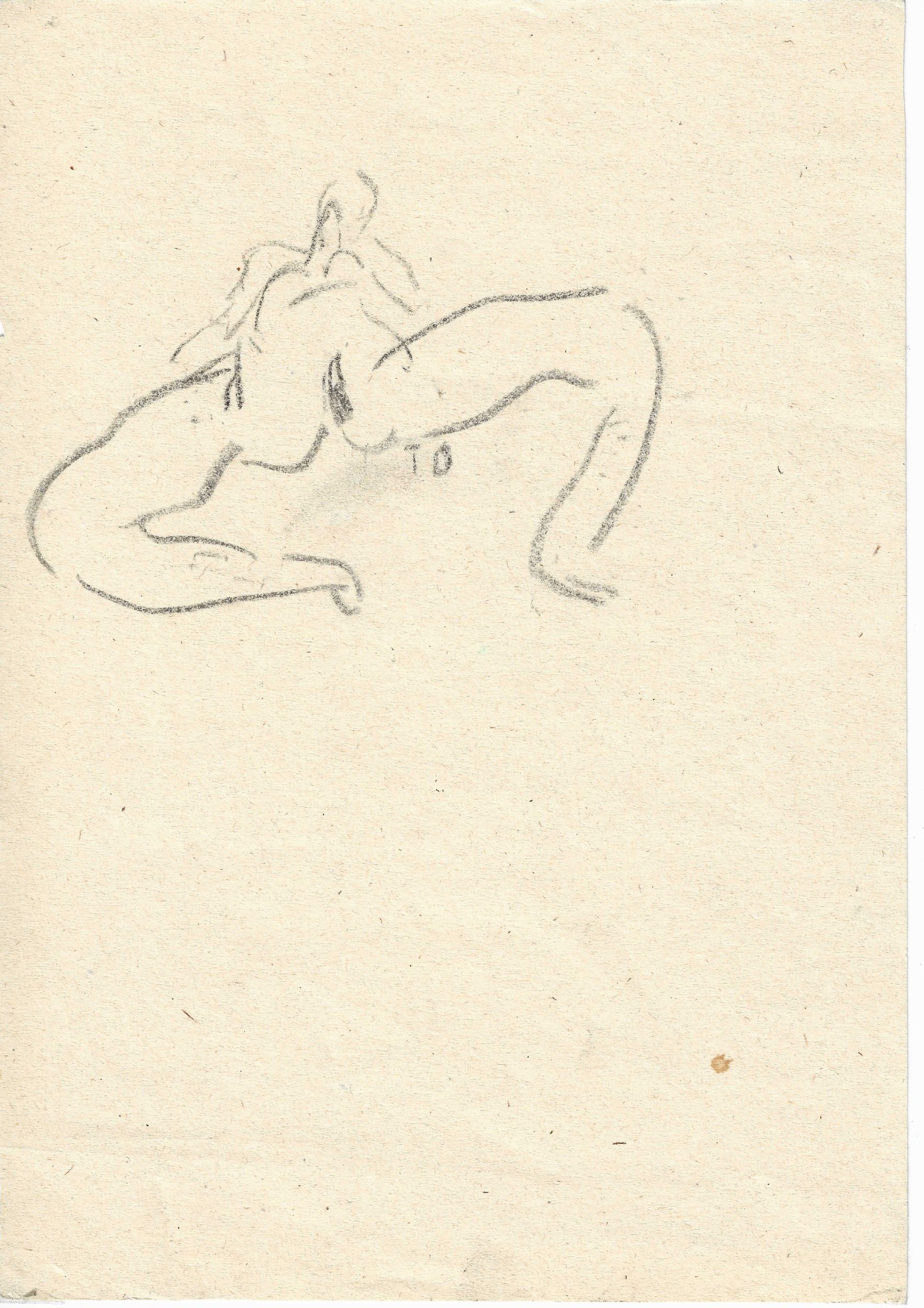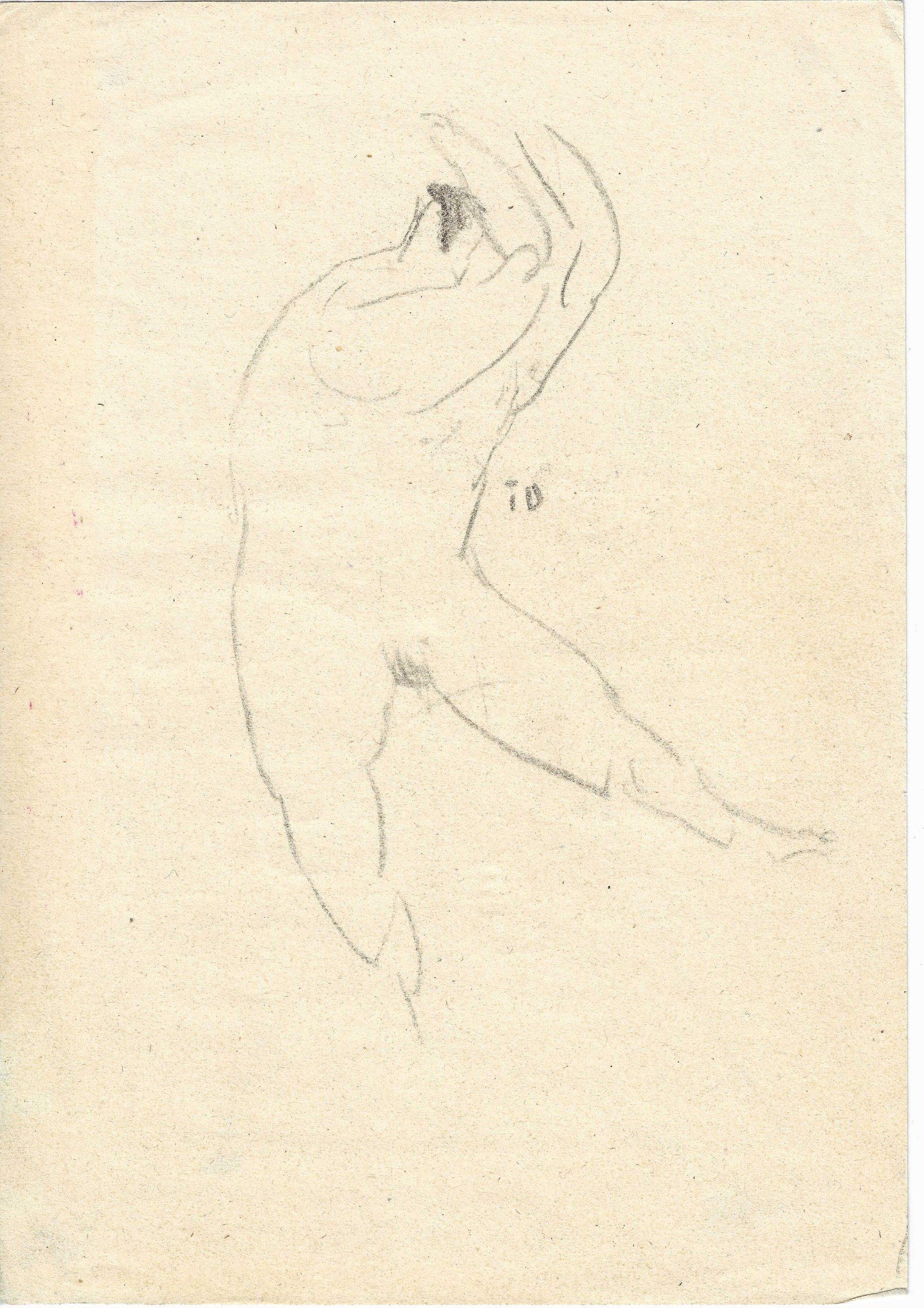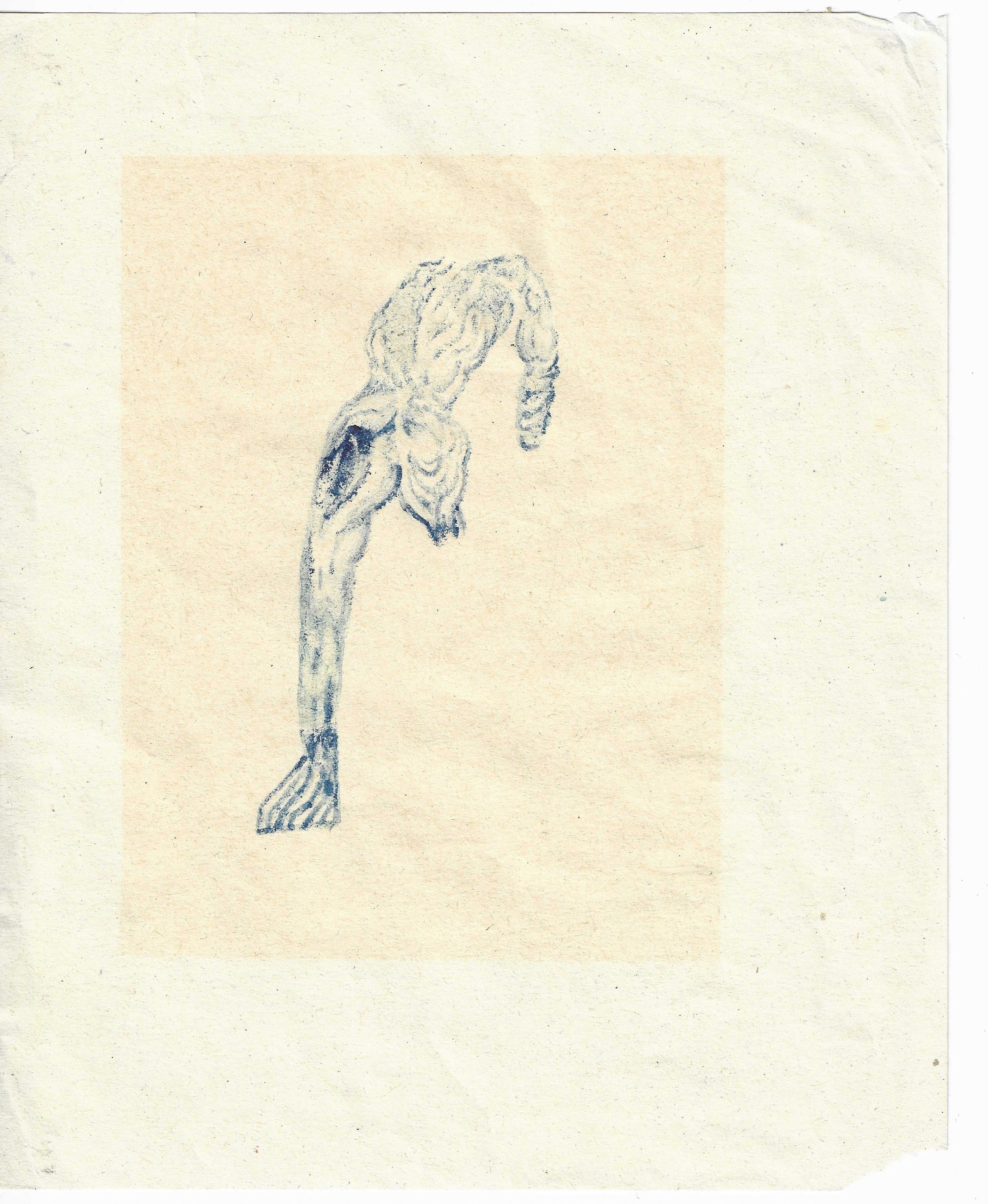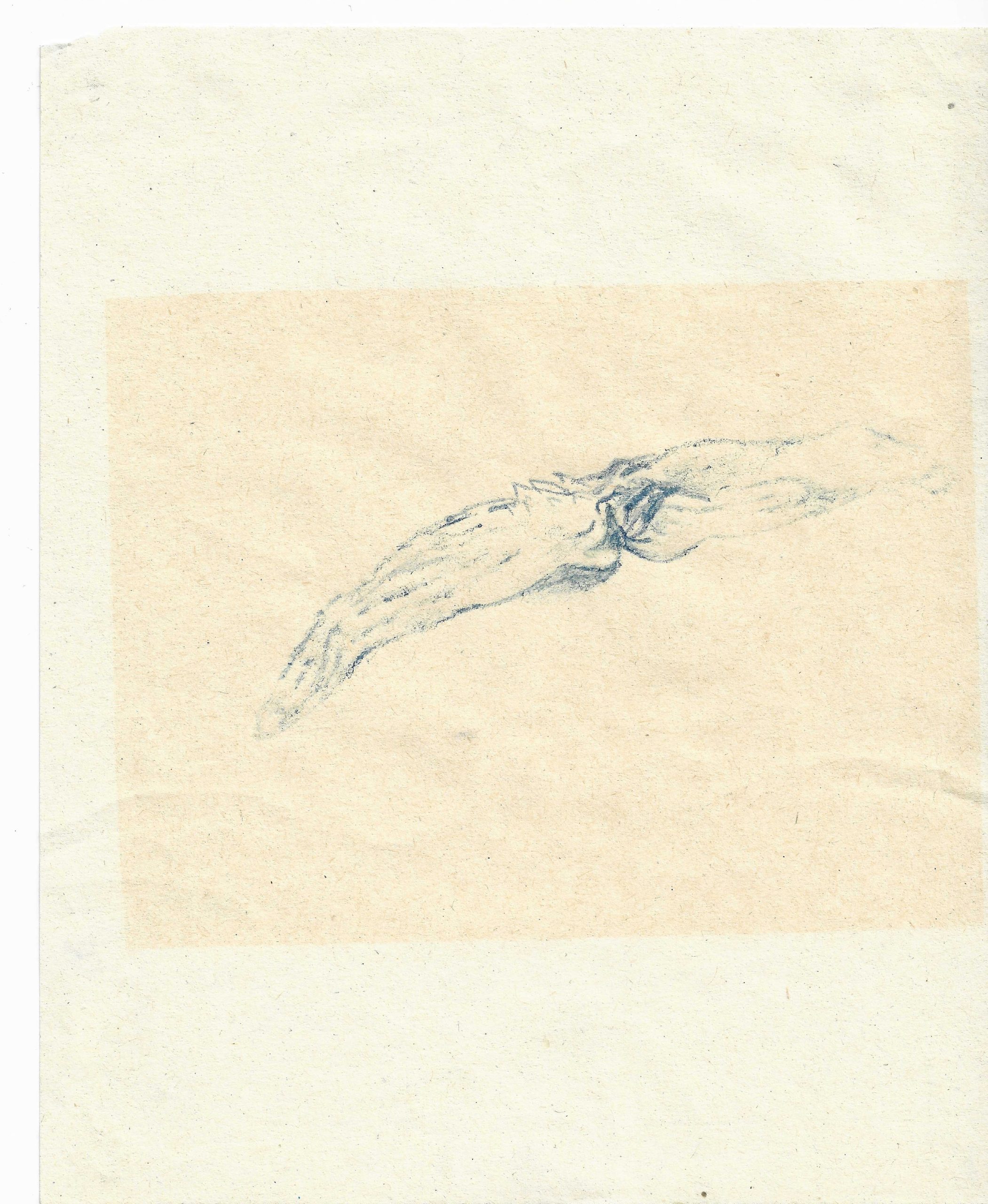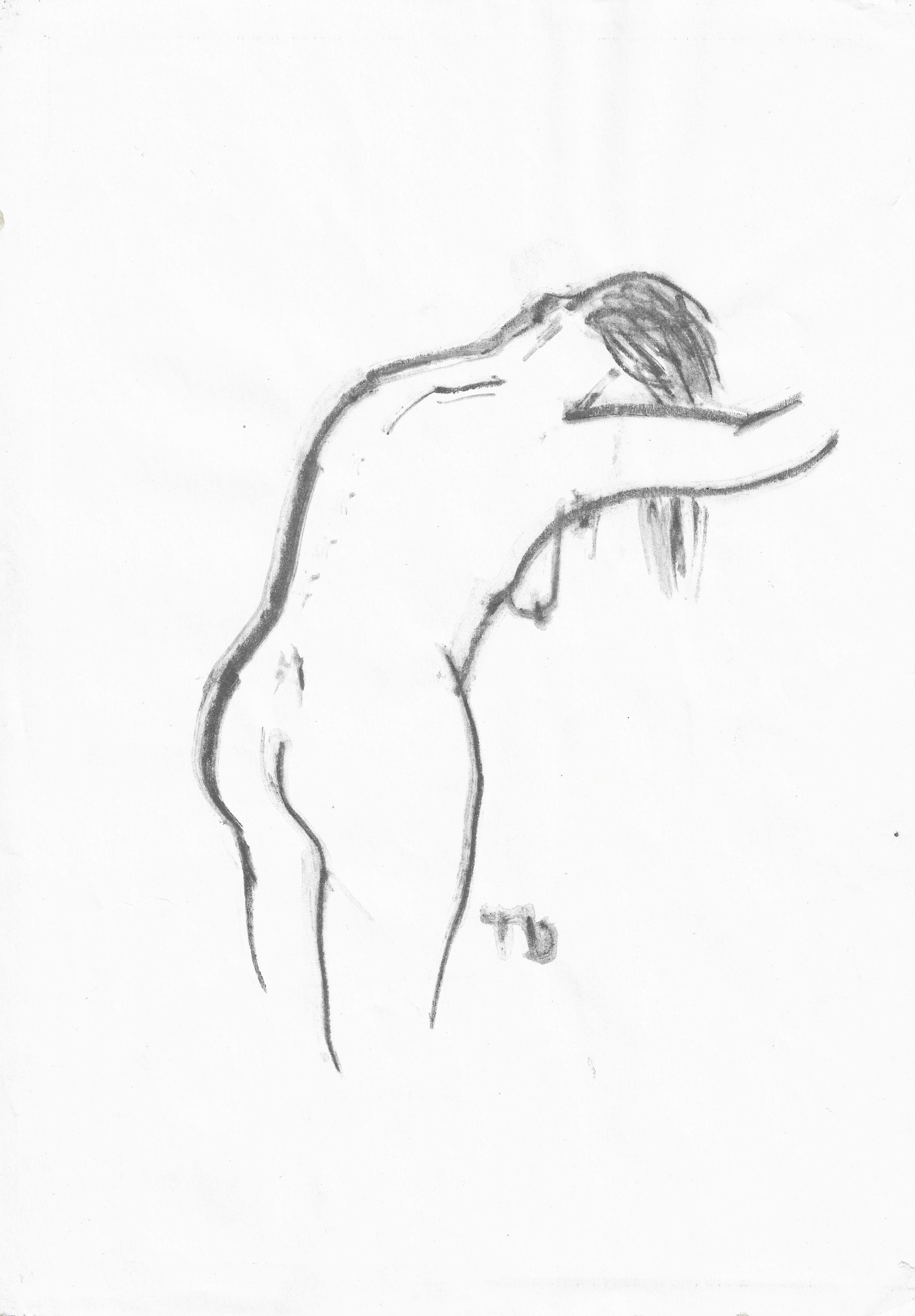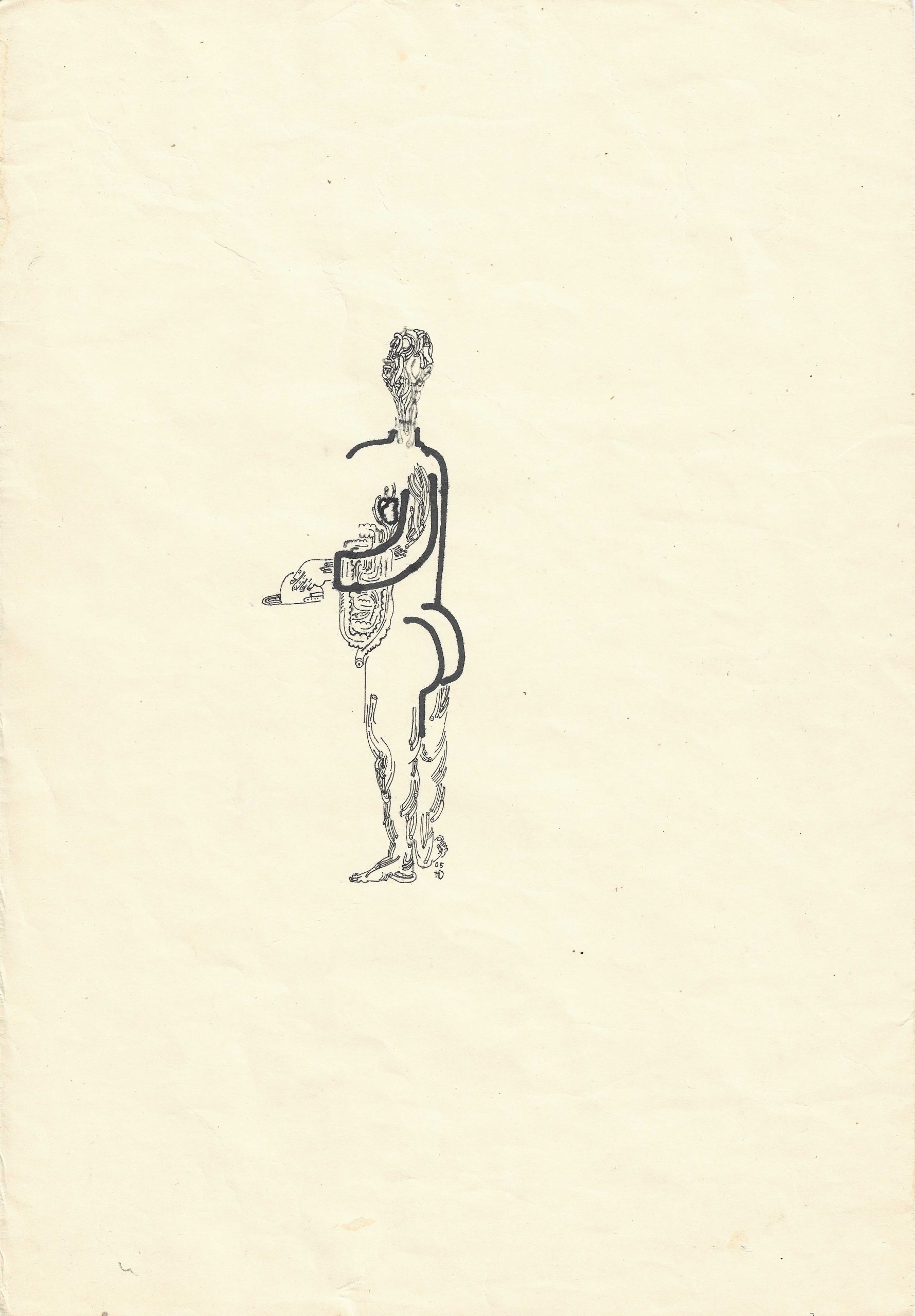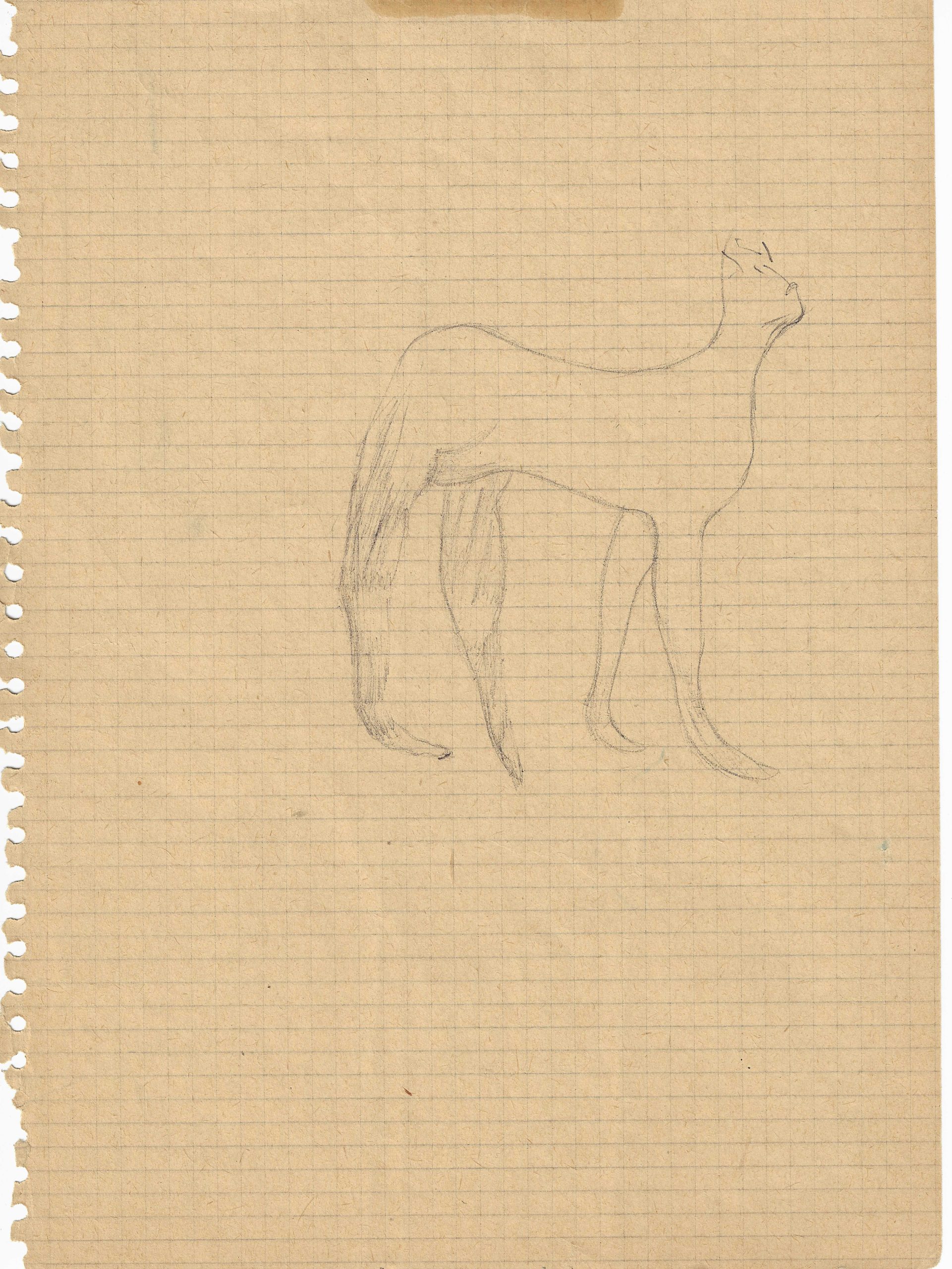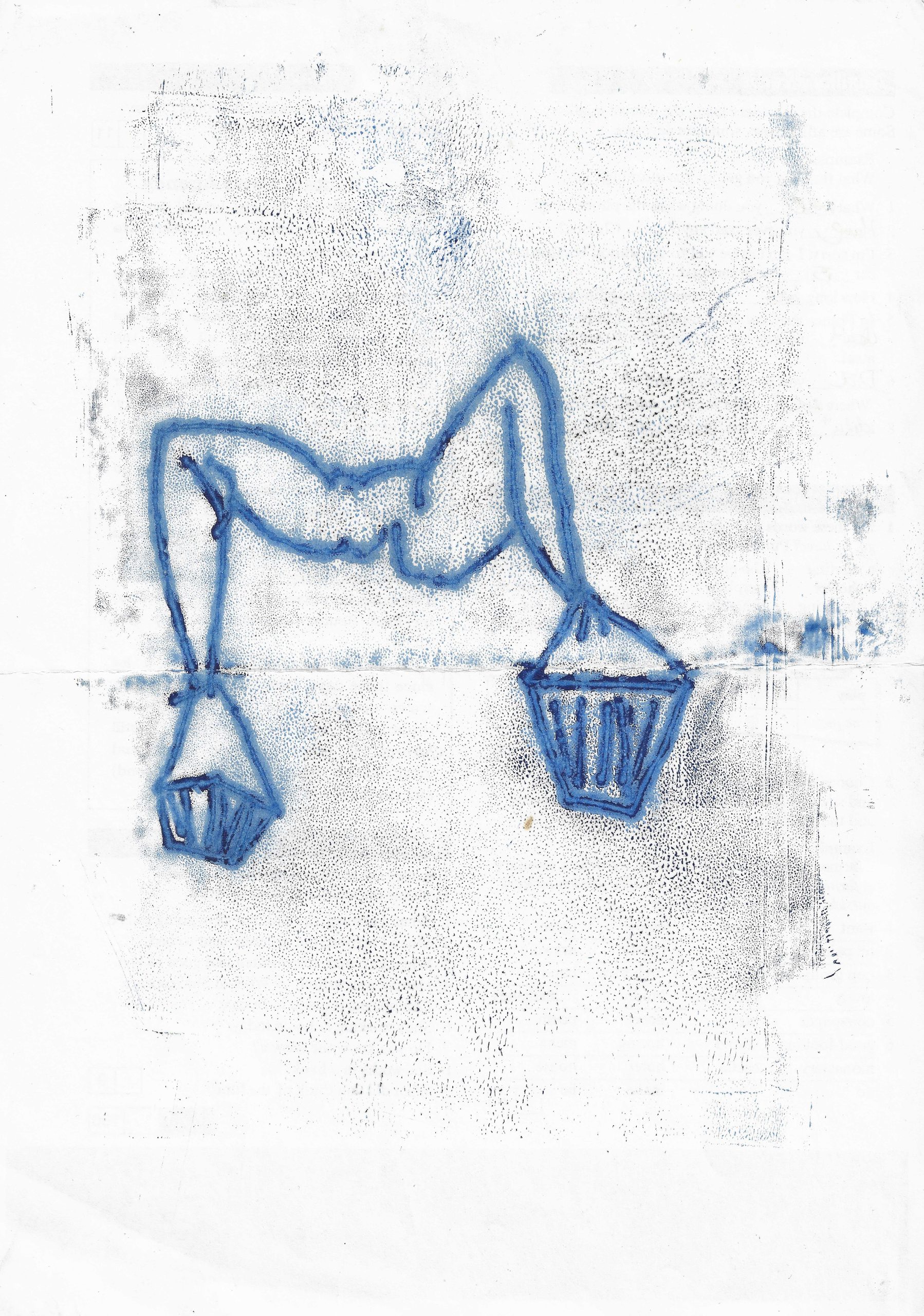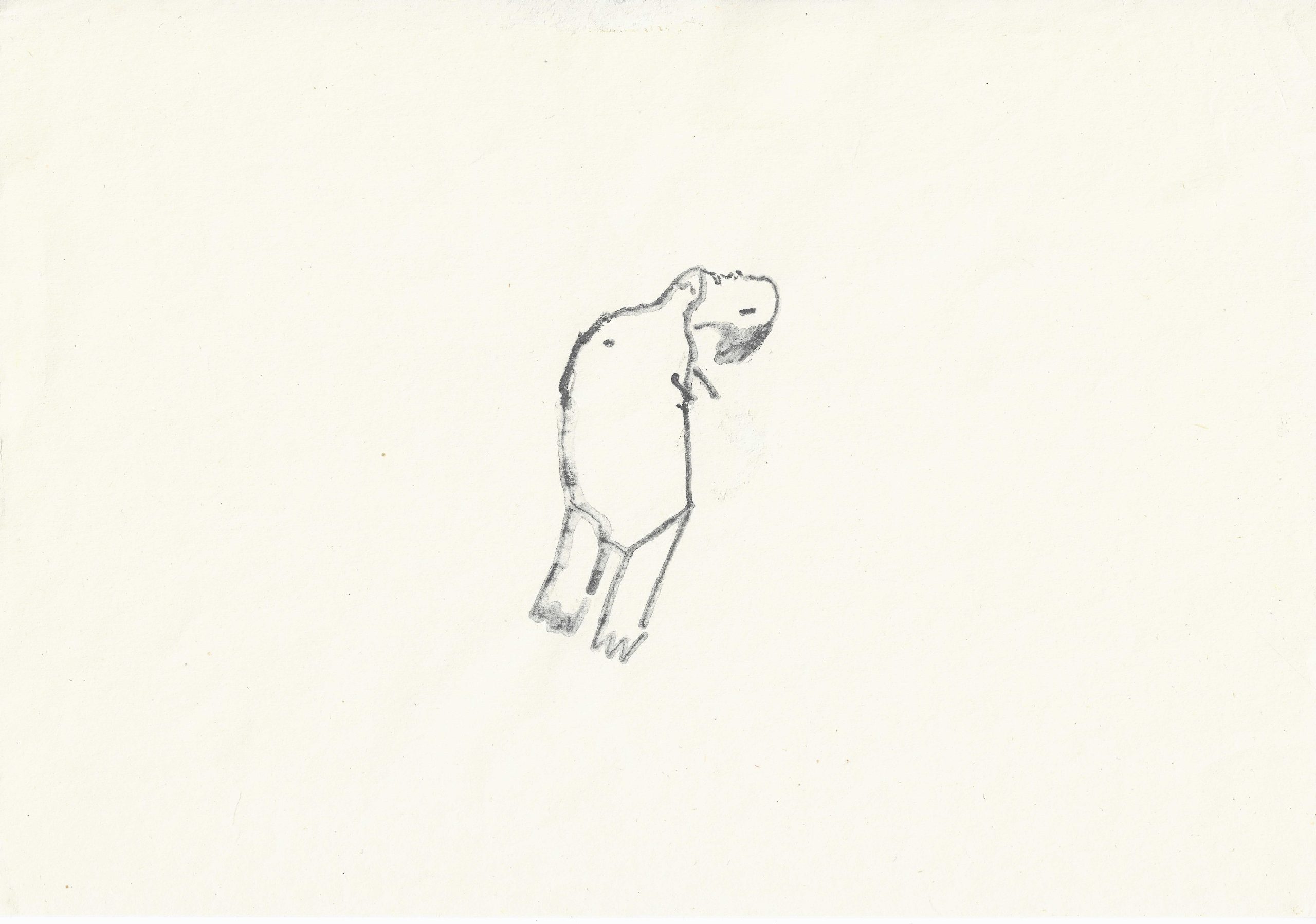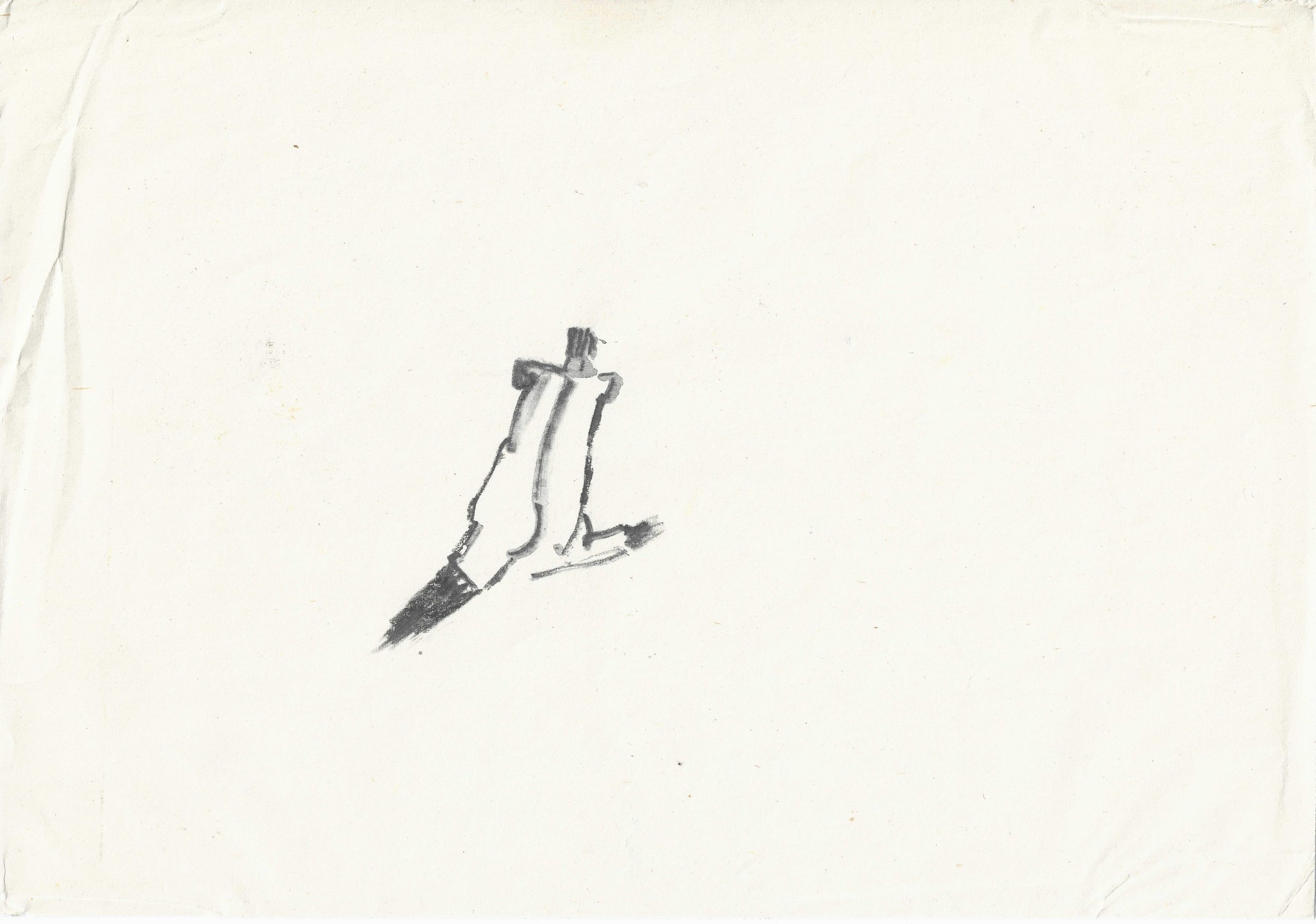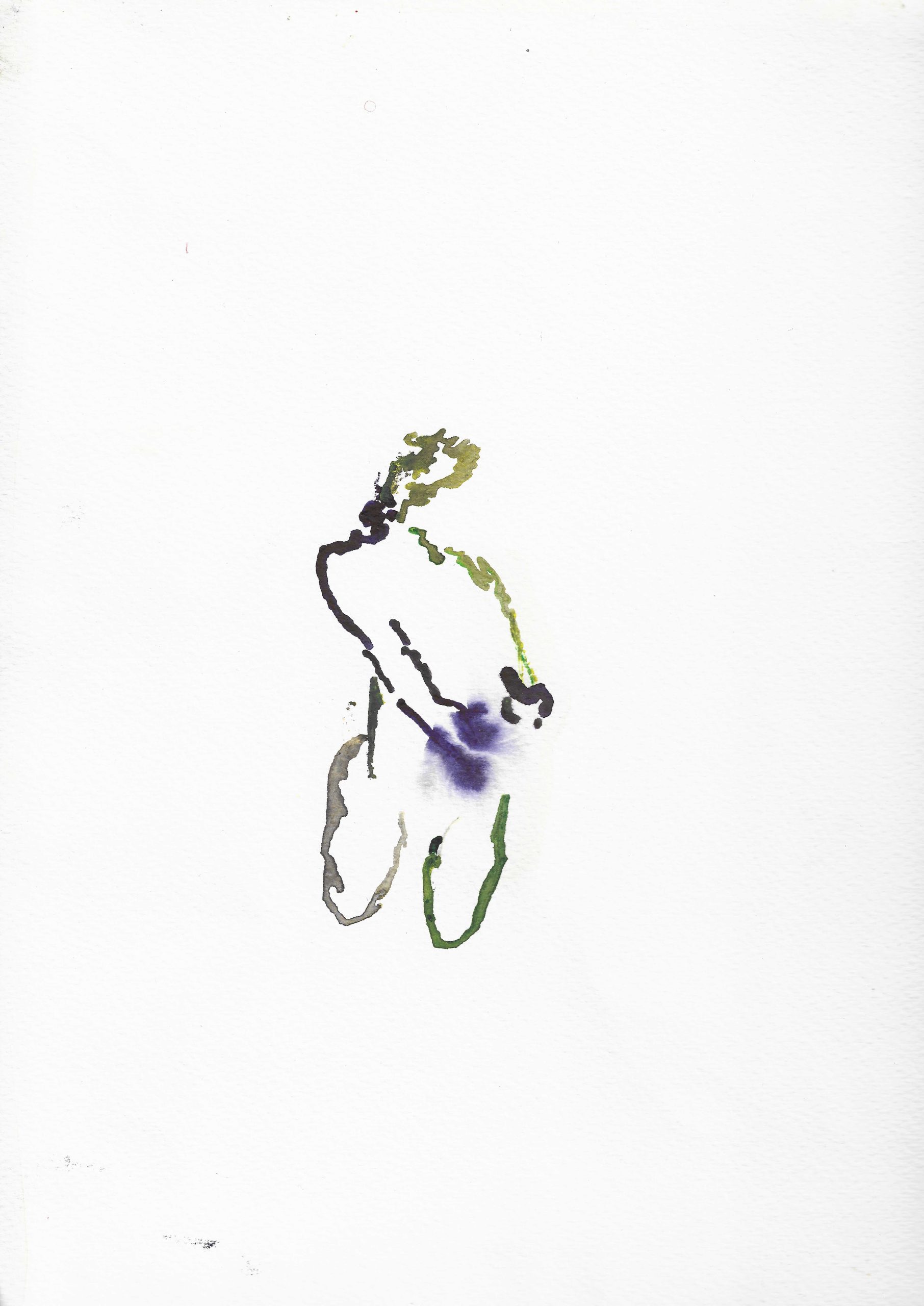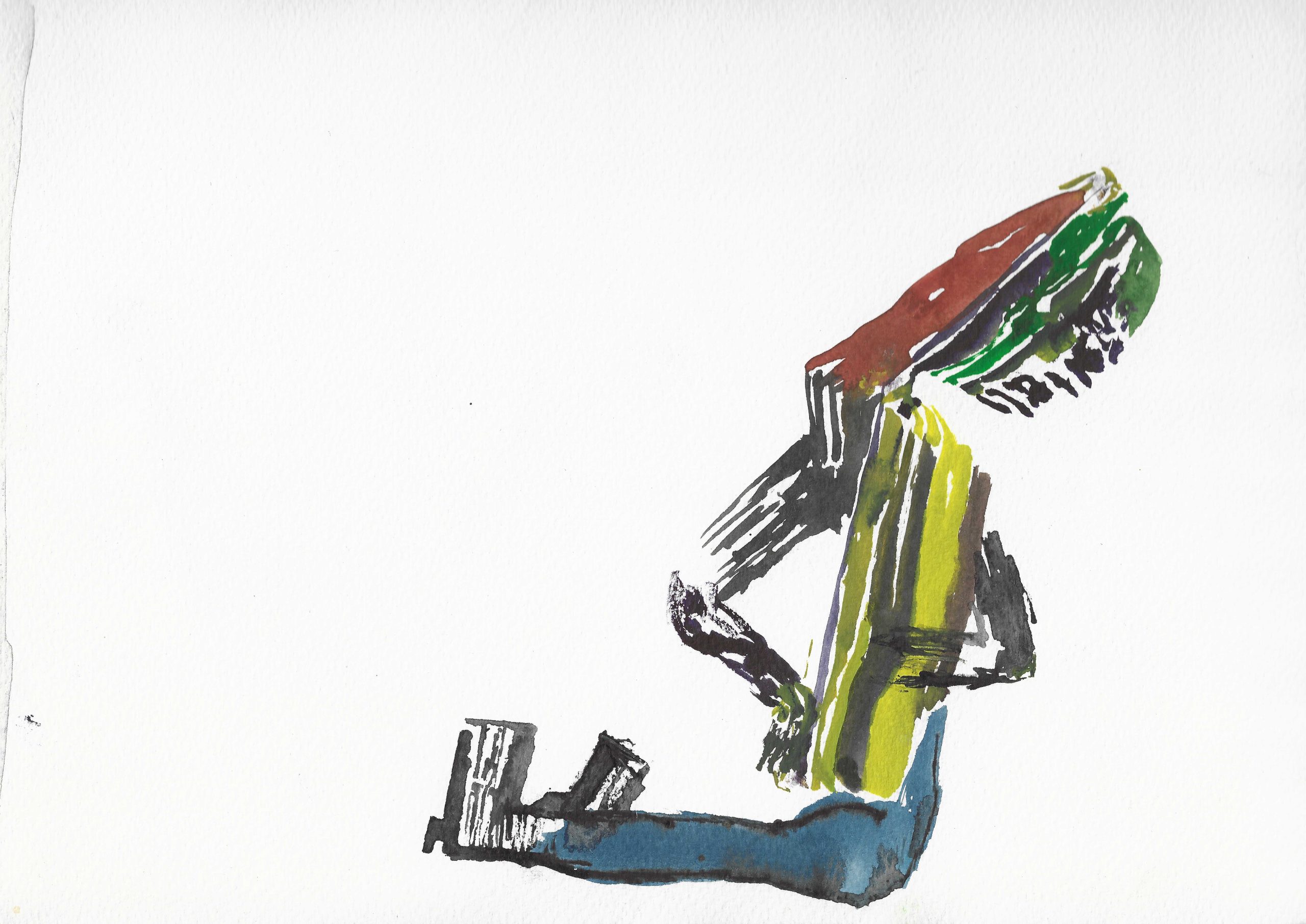
Dezső Tandori (1938–2019) was one of the most influential and singular figures of postwar Hungarian literature.
Poet, prose writer, essayist, translator, and visual artist, he developed a radically autonomous body of work that
resisted literary categorization and consistently blurred the boundaries between genres and media. His writing
combined philosophical rigor, linguistic play, everyday observation, metaphysical inquiry, and a self-reflexive
exploration of authorship.
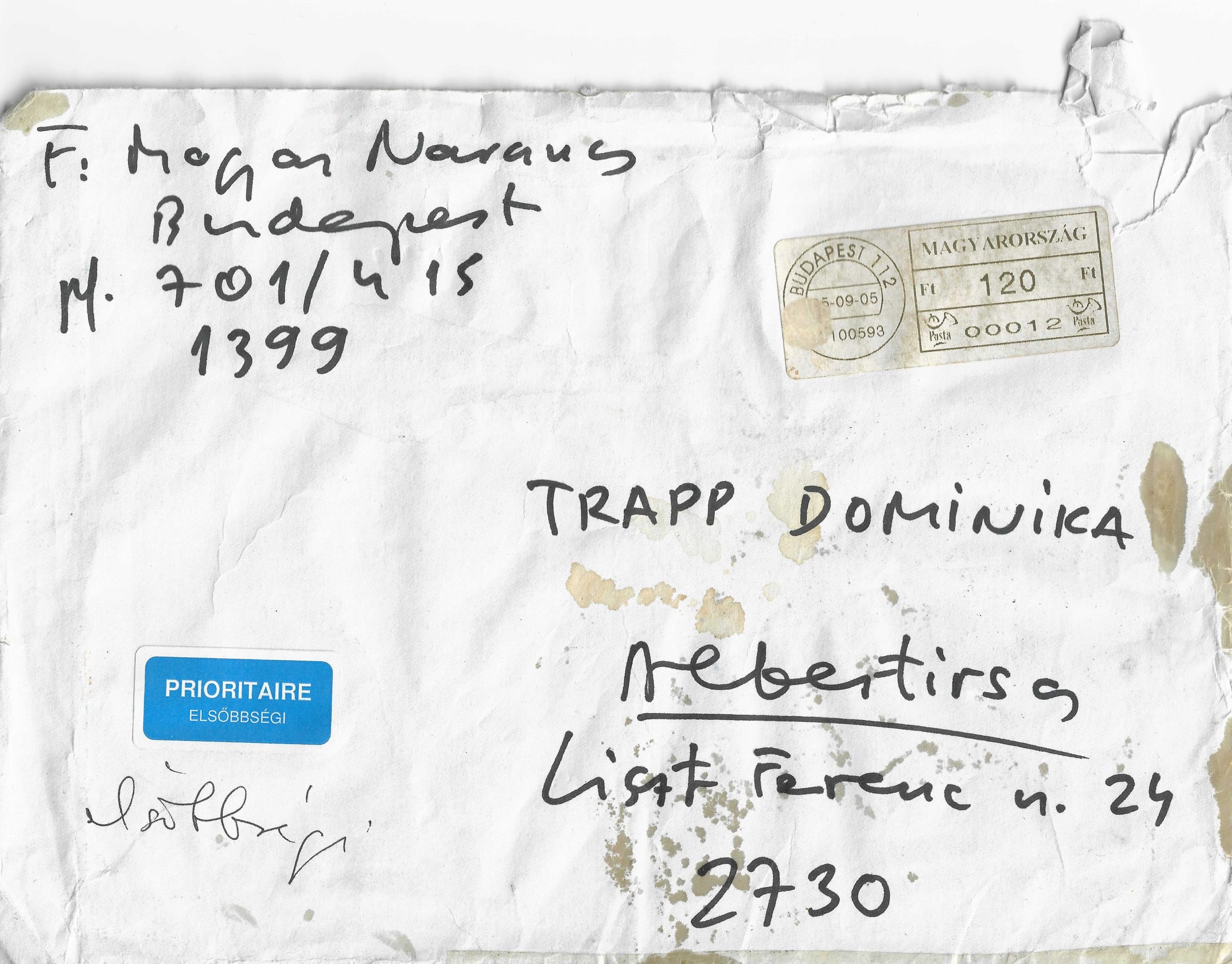
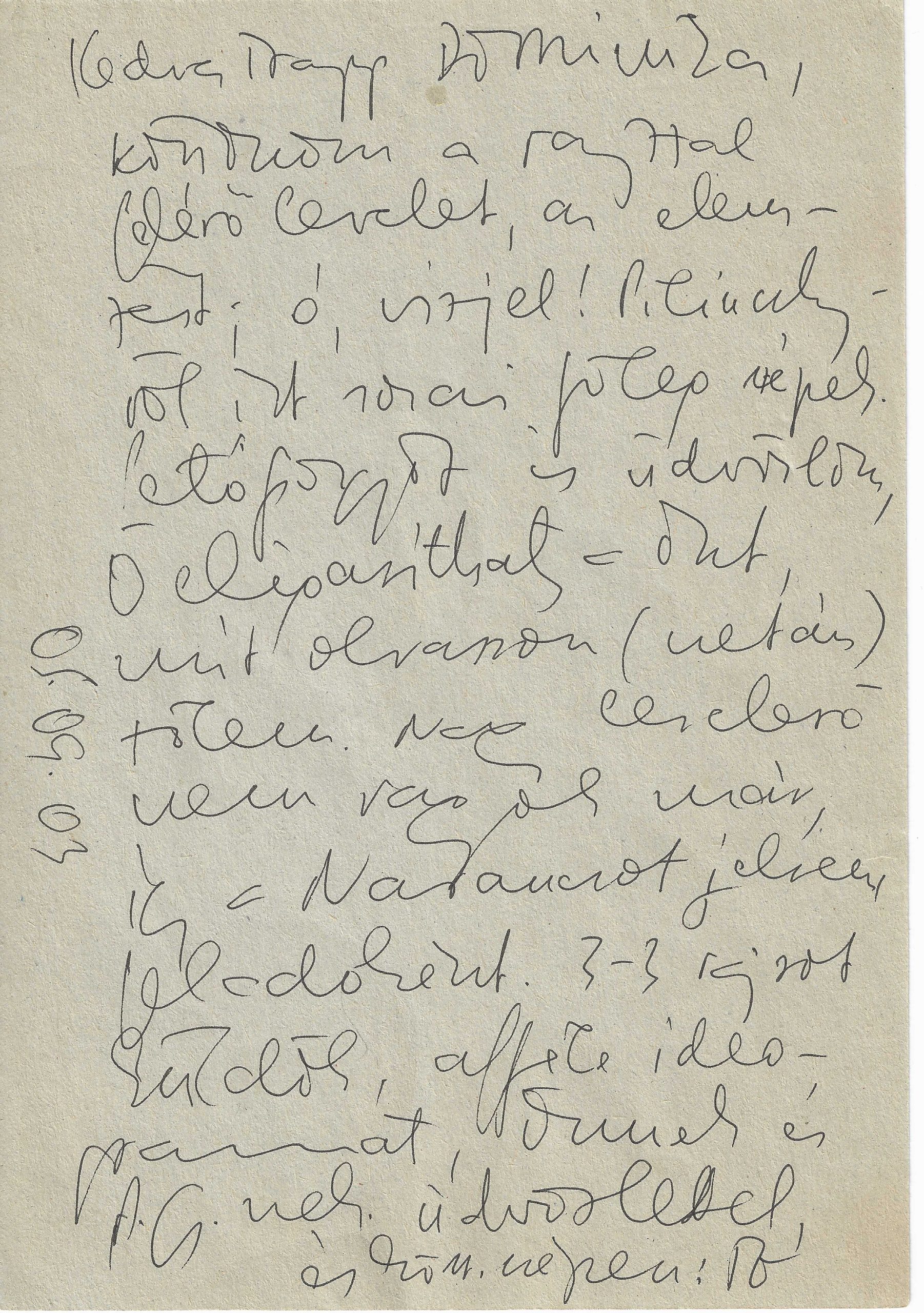
My personal relationship to his work began at the age of sixteen, when I started reading his prose and we
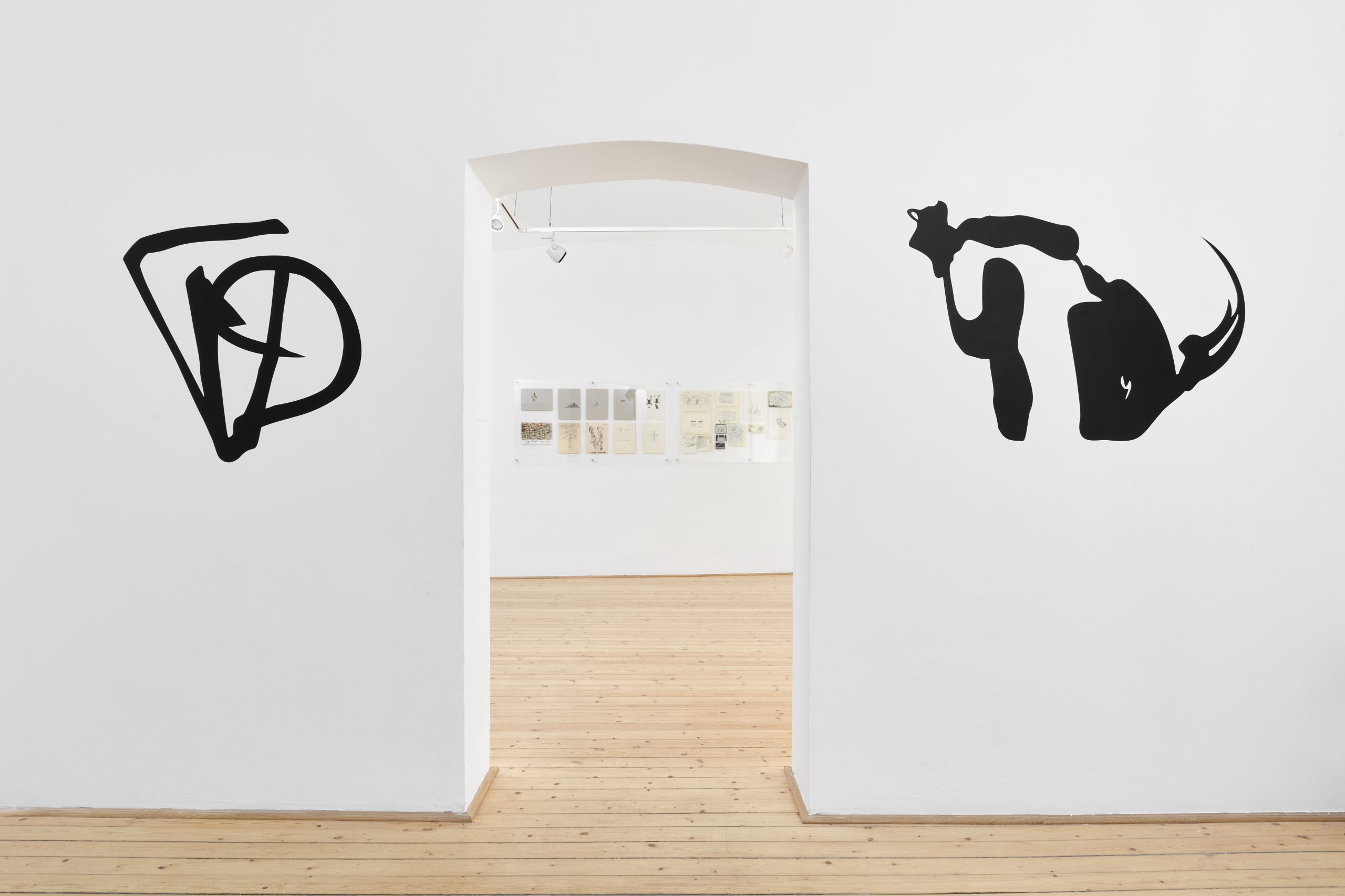
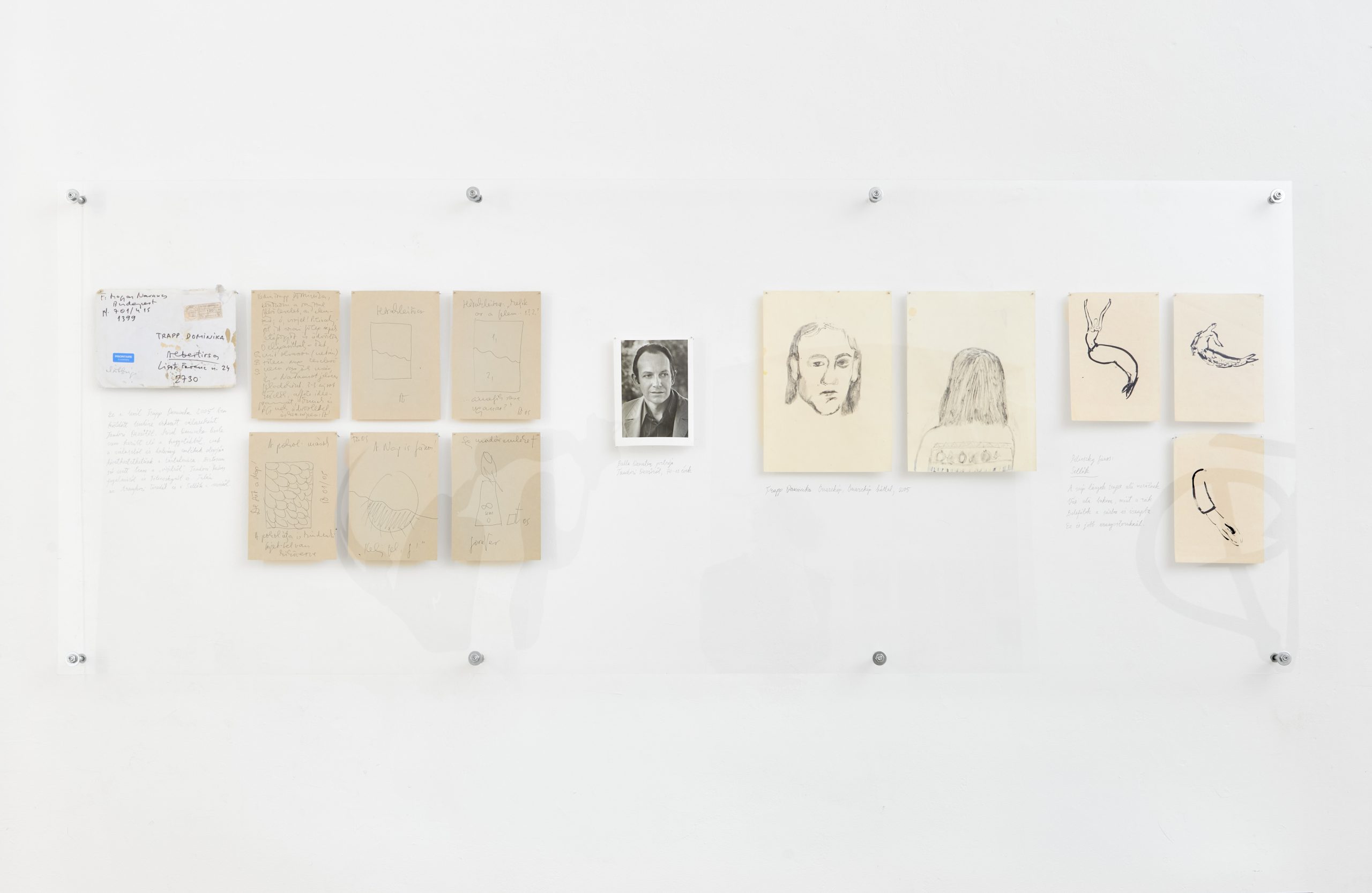
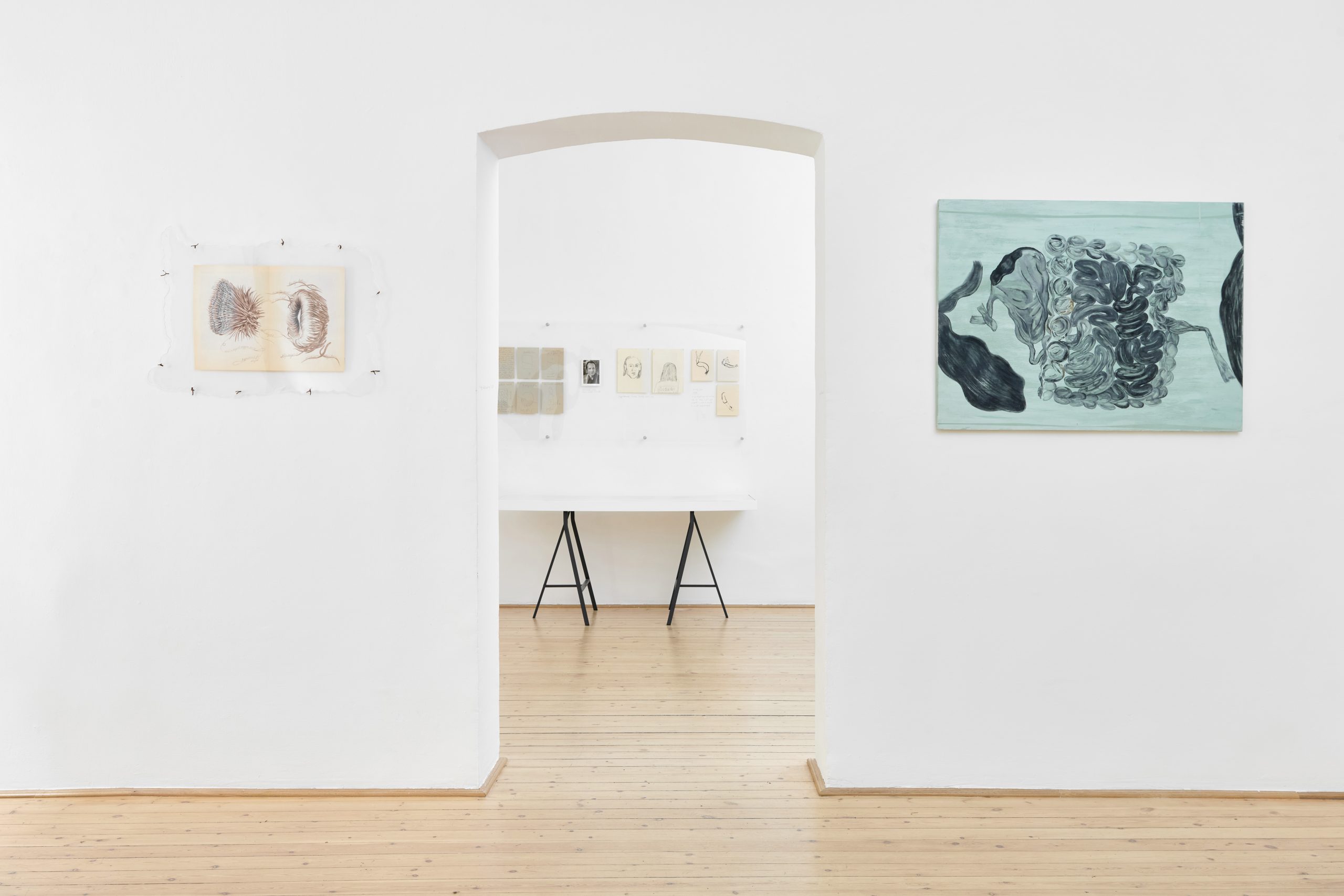
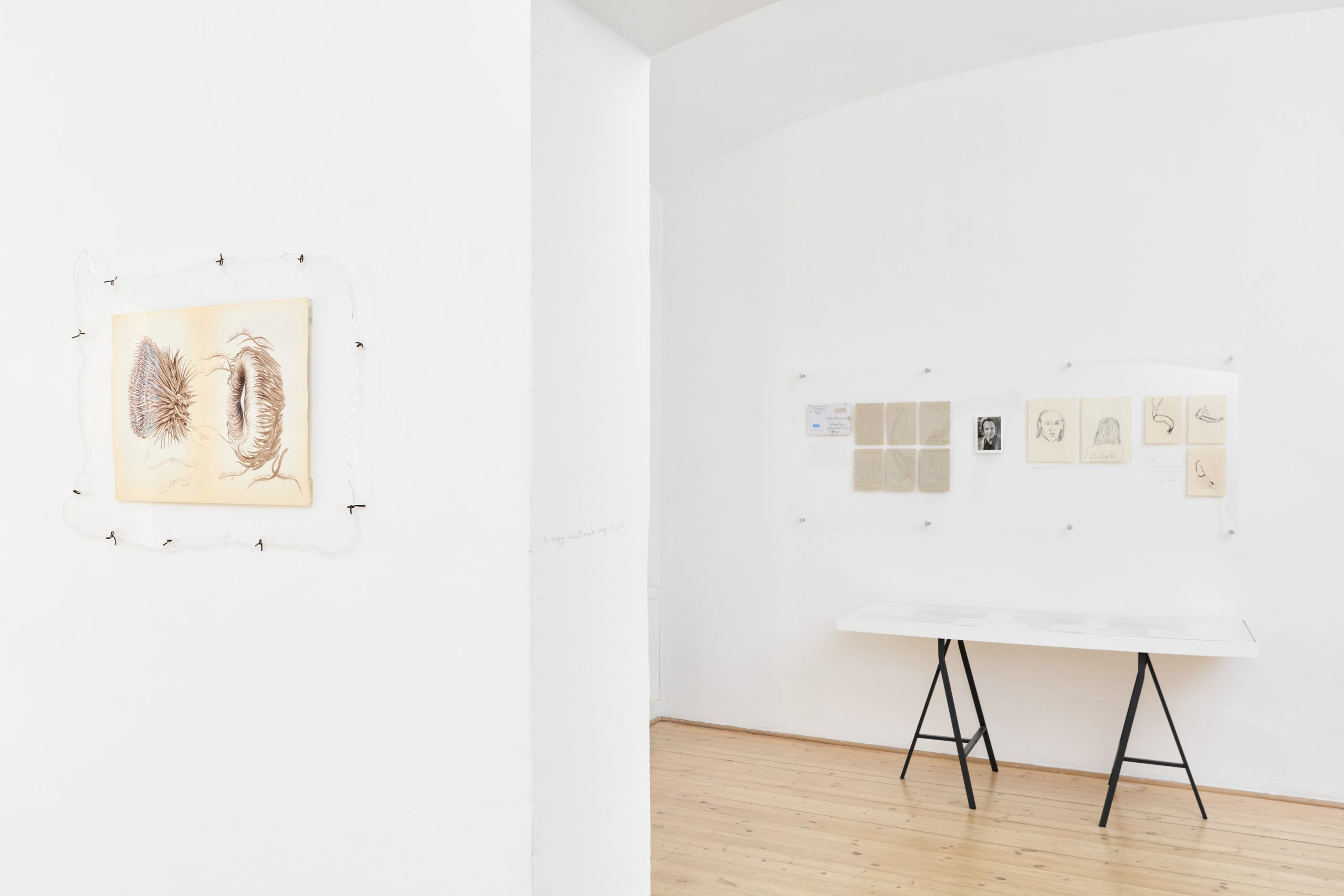
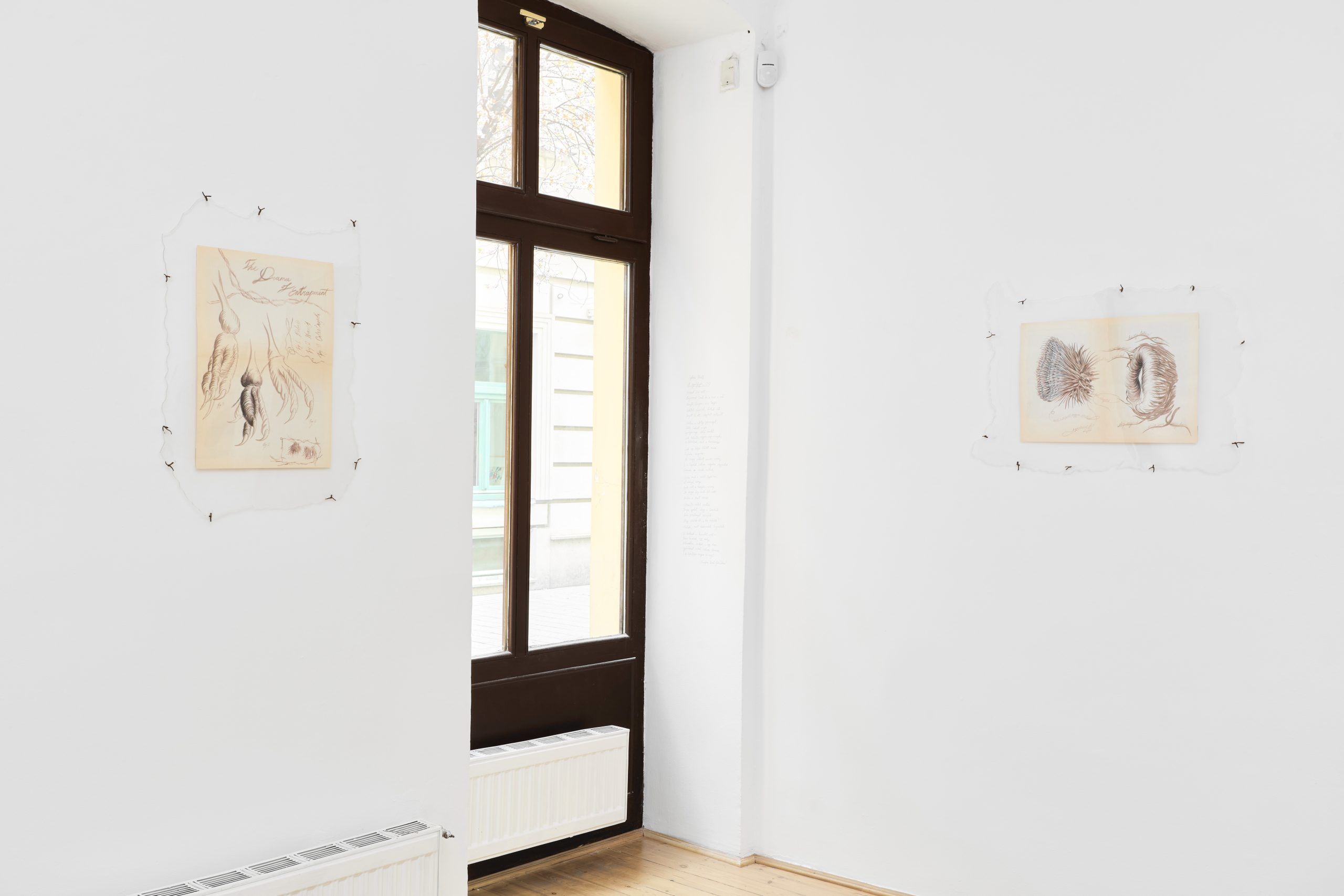
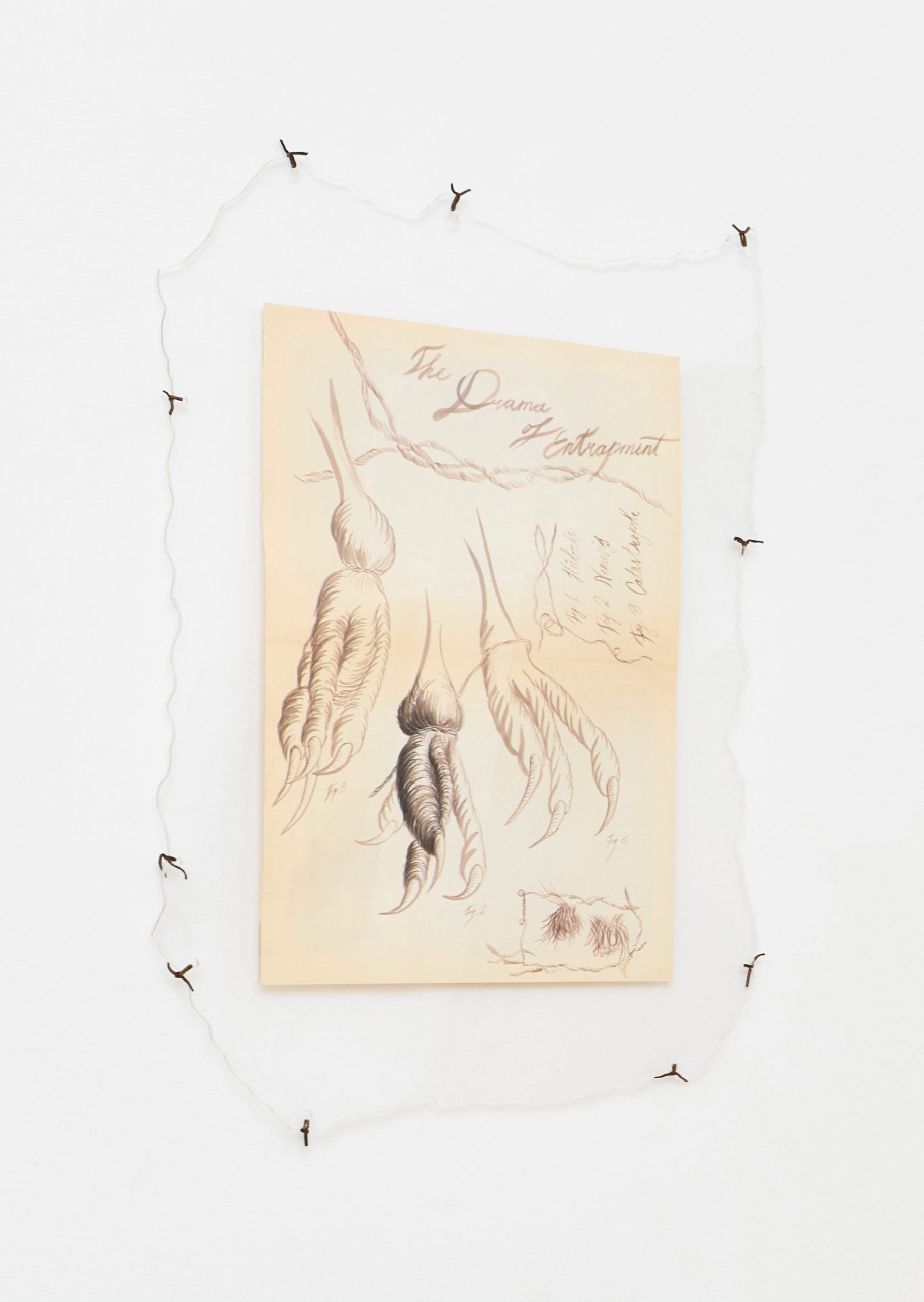
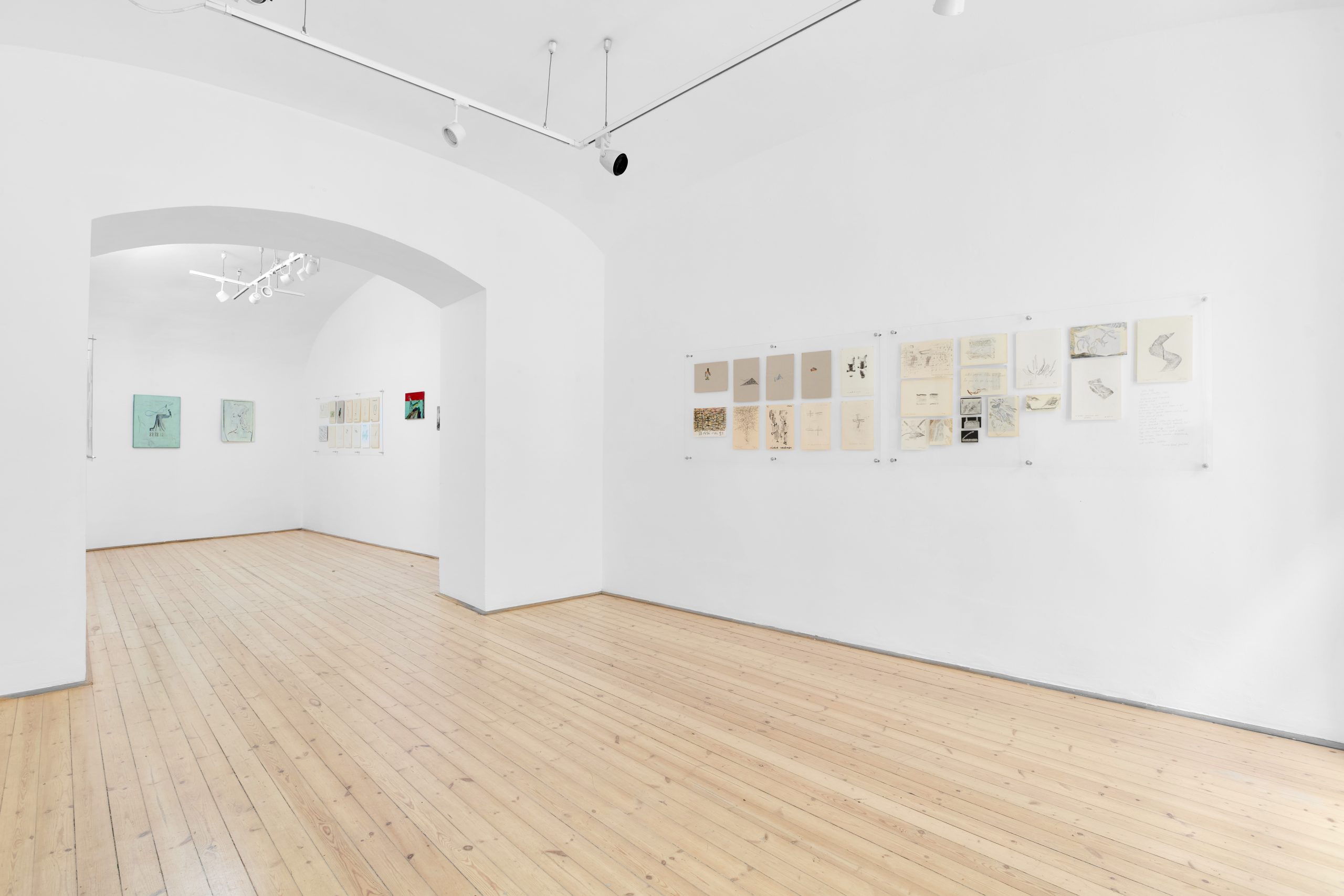
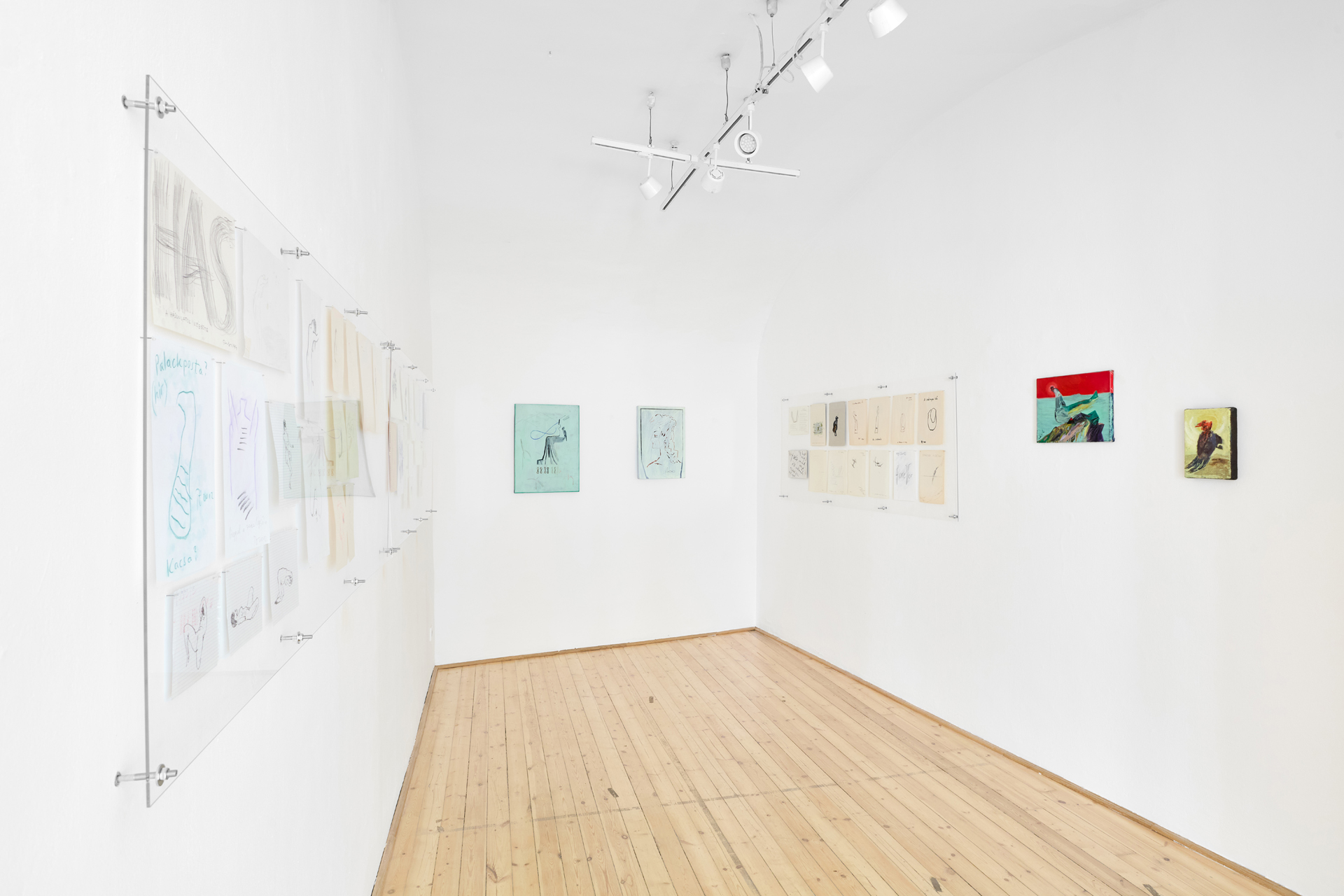
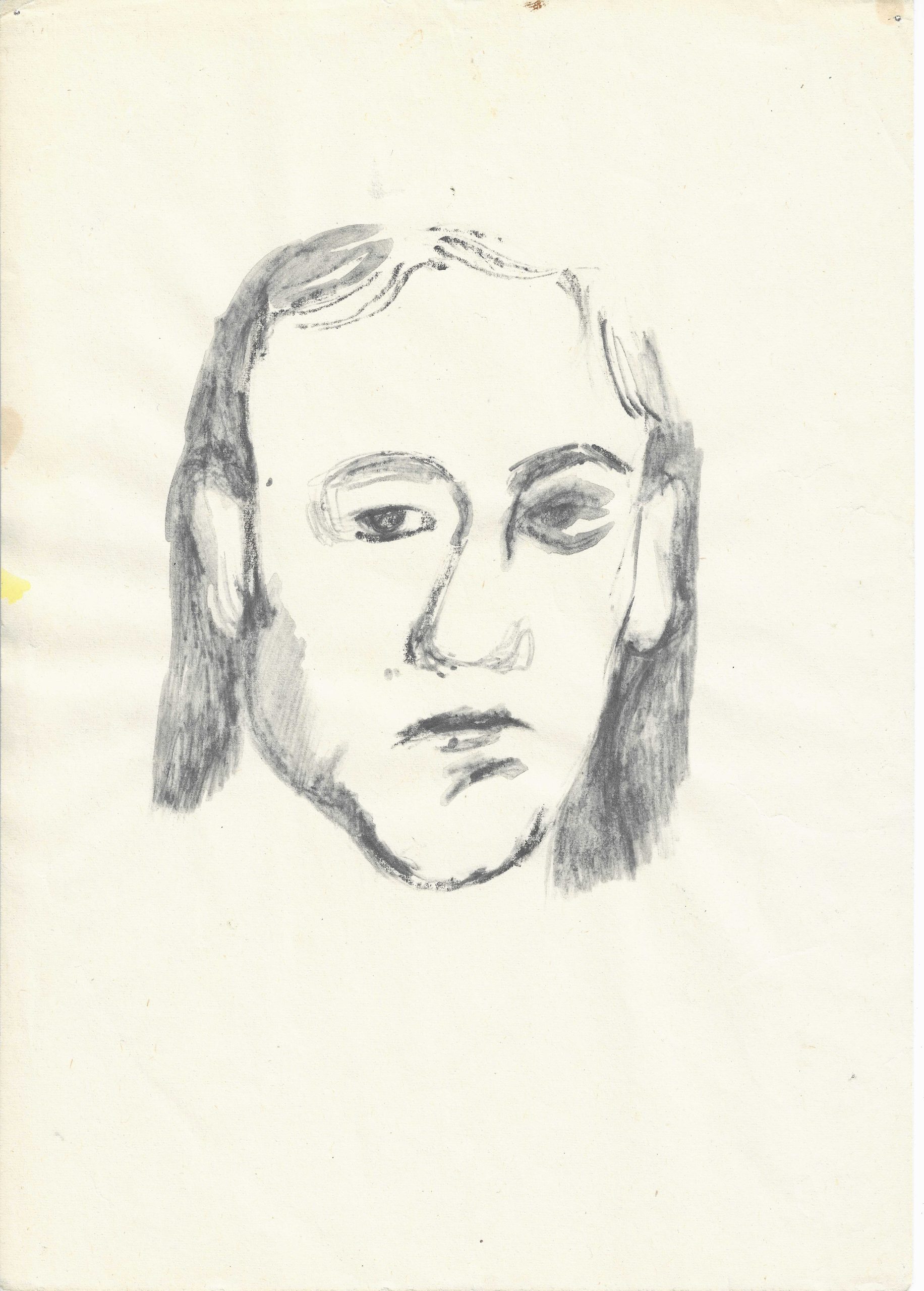
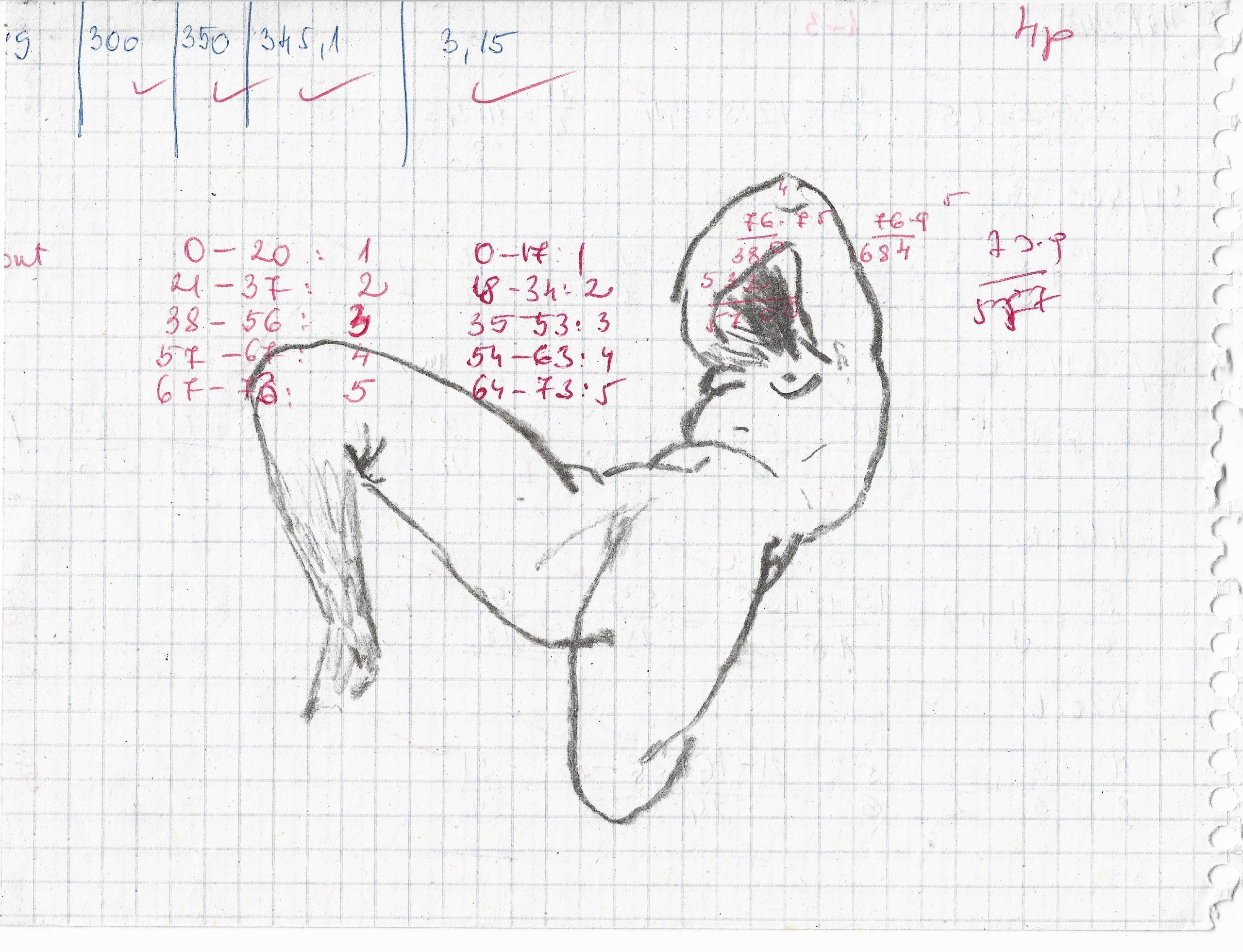
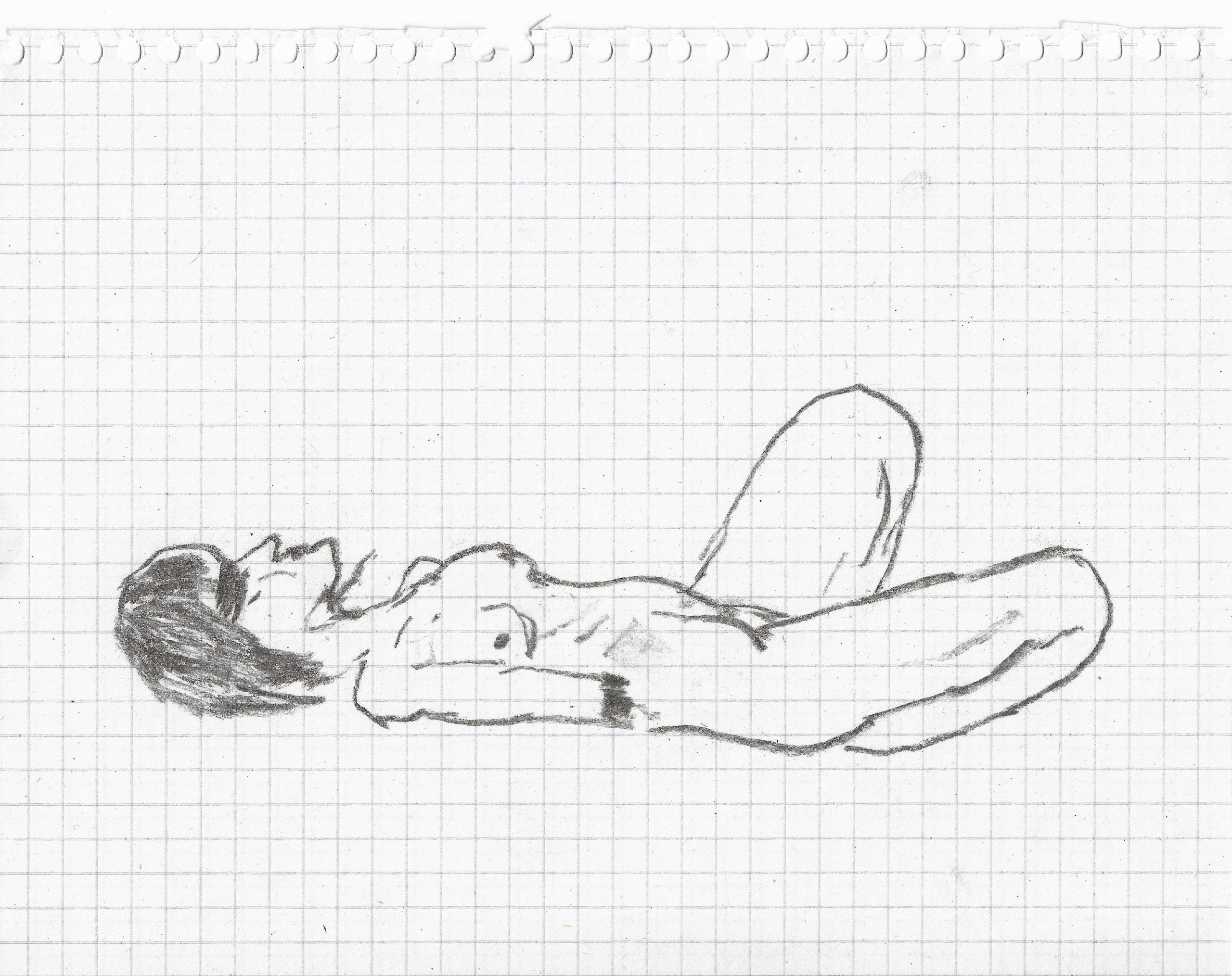
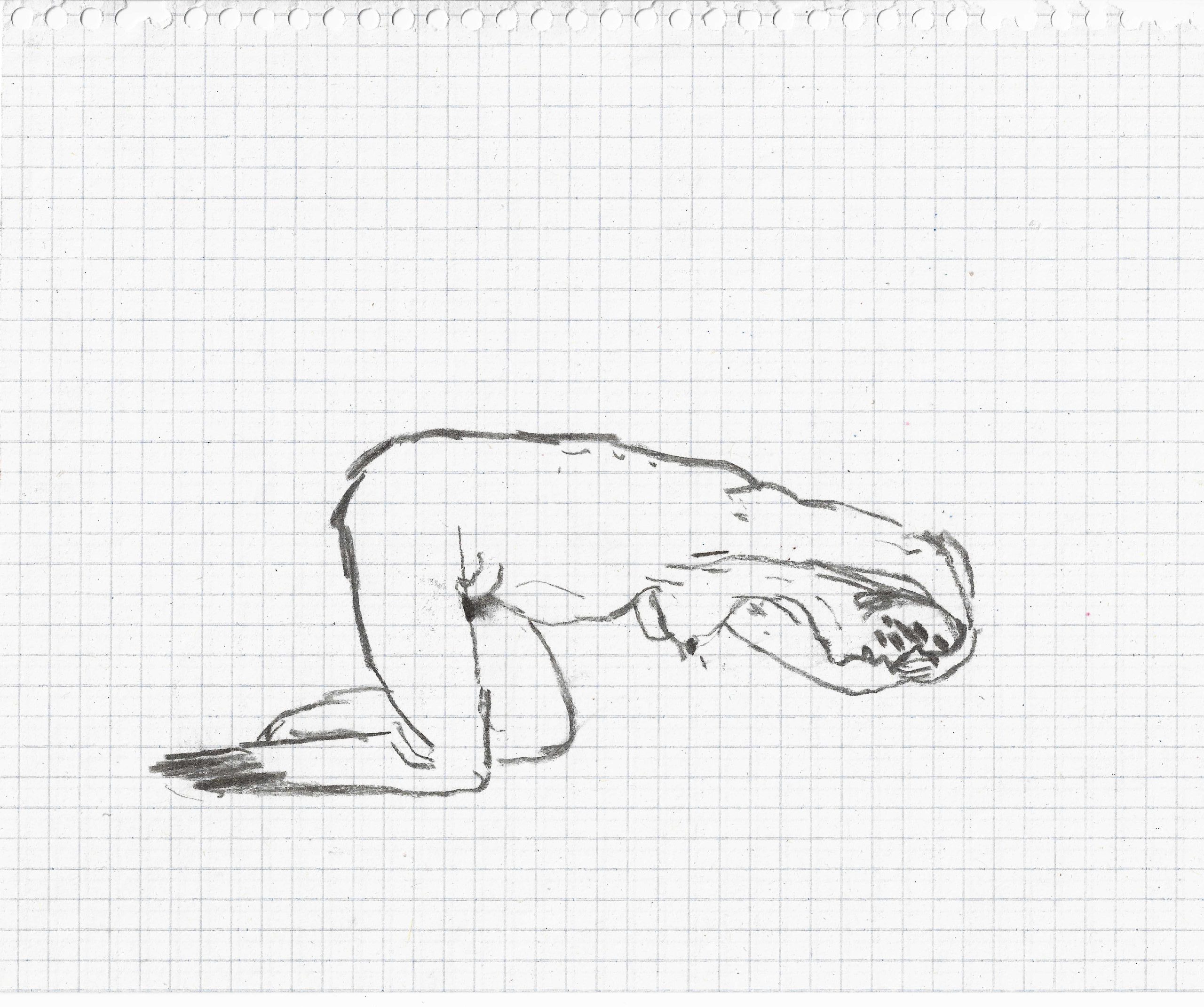
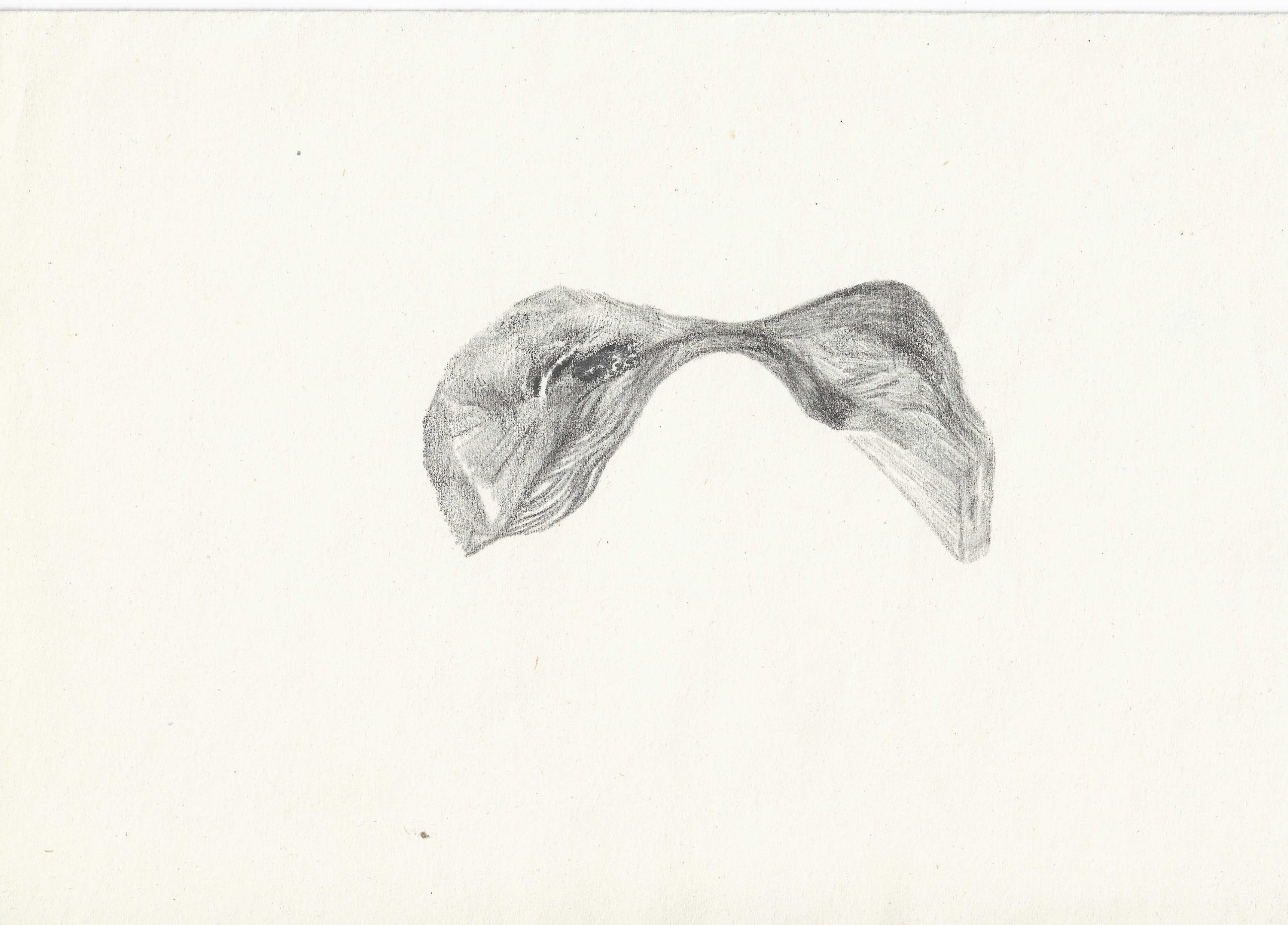
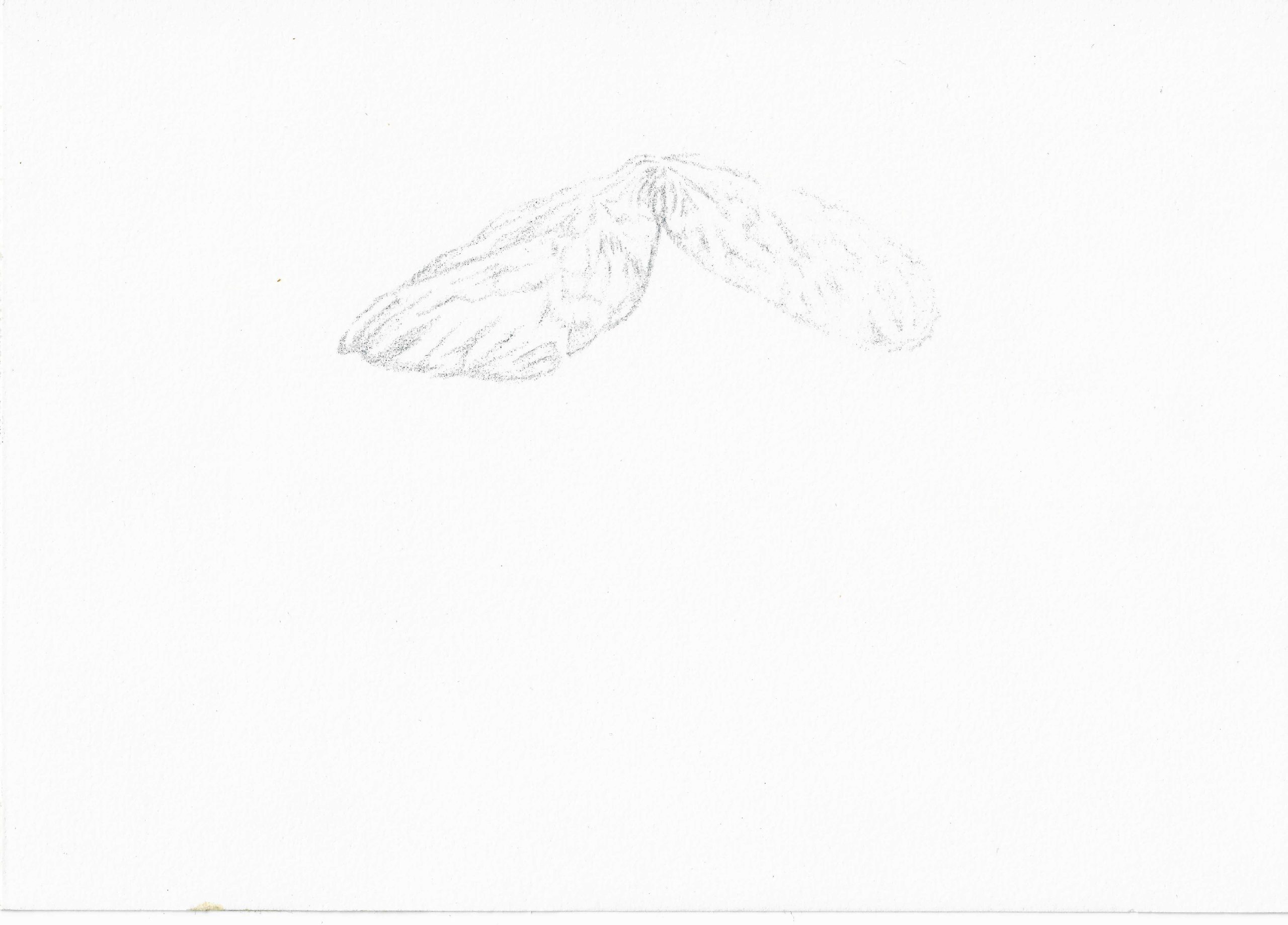
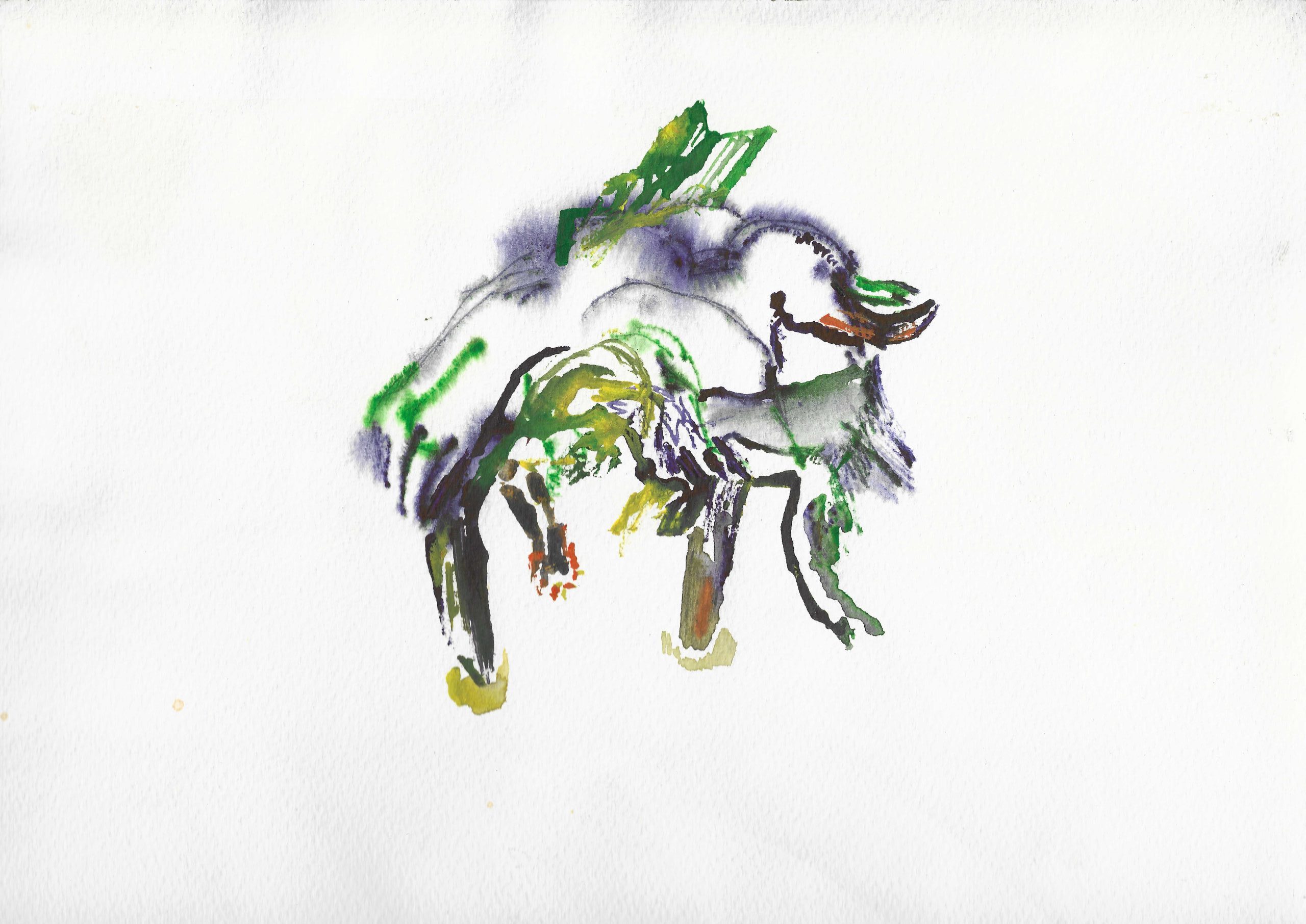
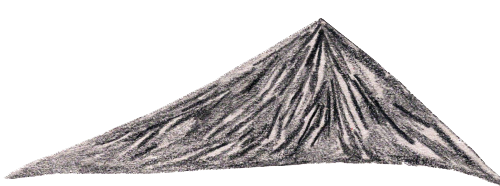
had a brief correspondence. This exhibition brought my paintings and early drawings into dialogue with his graphic
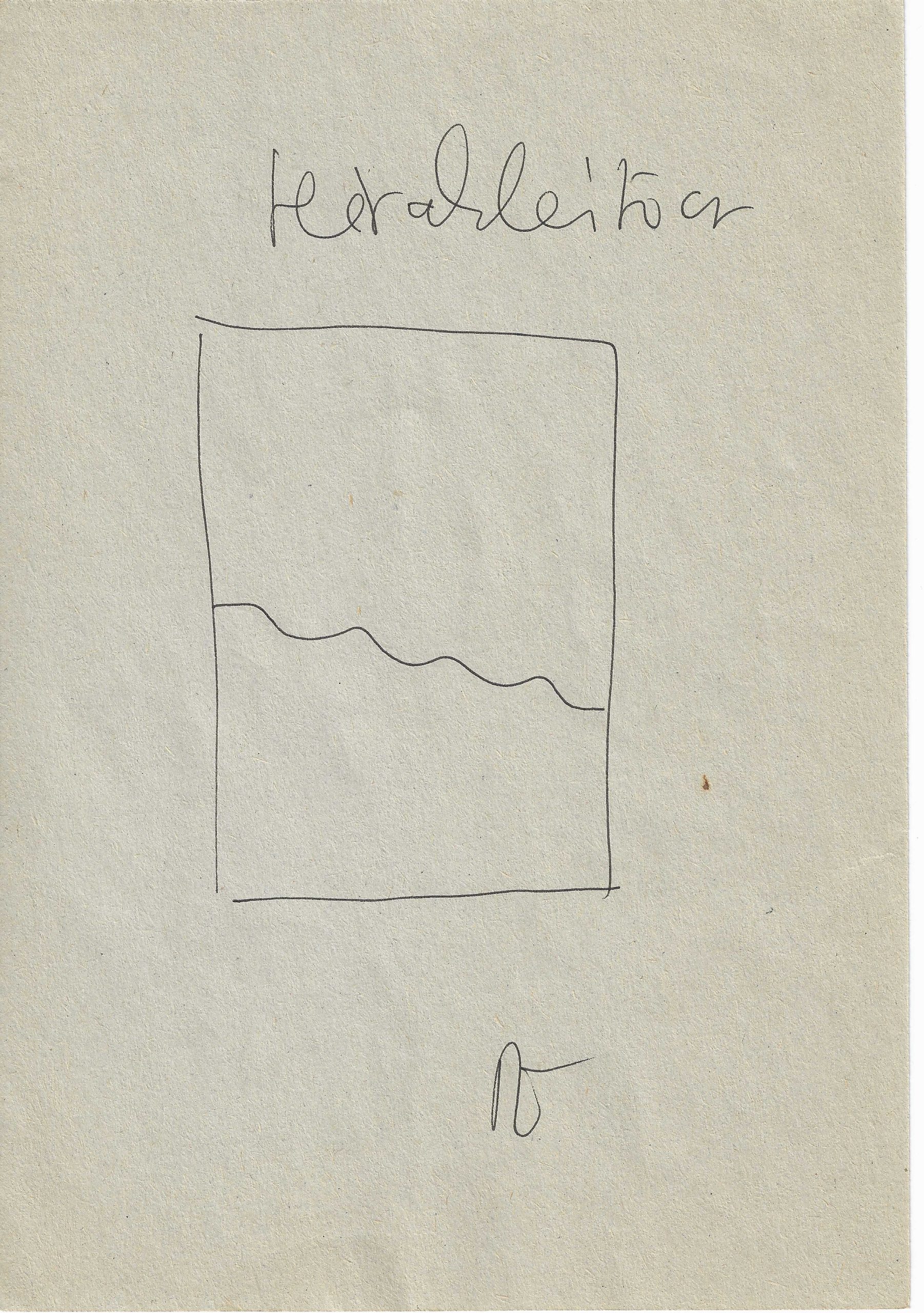
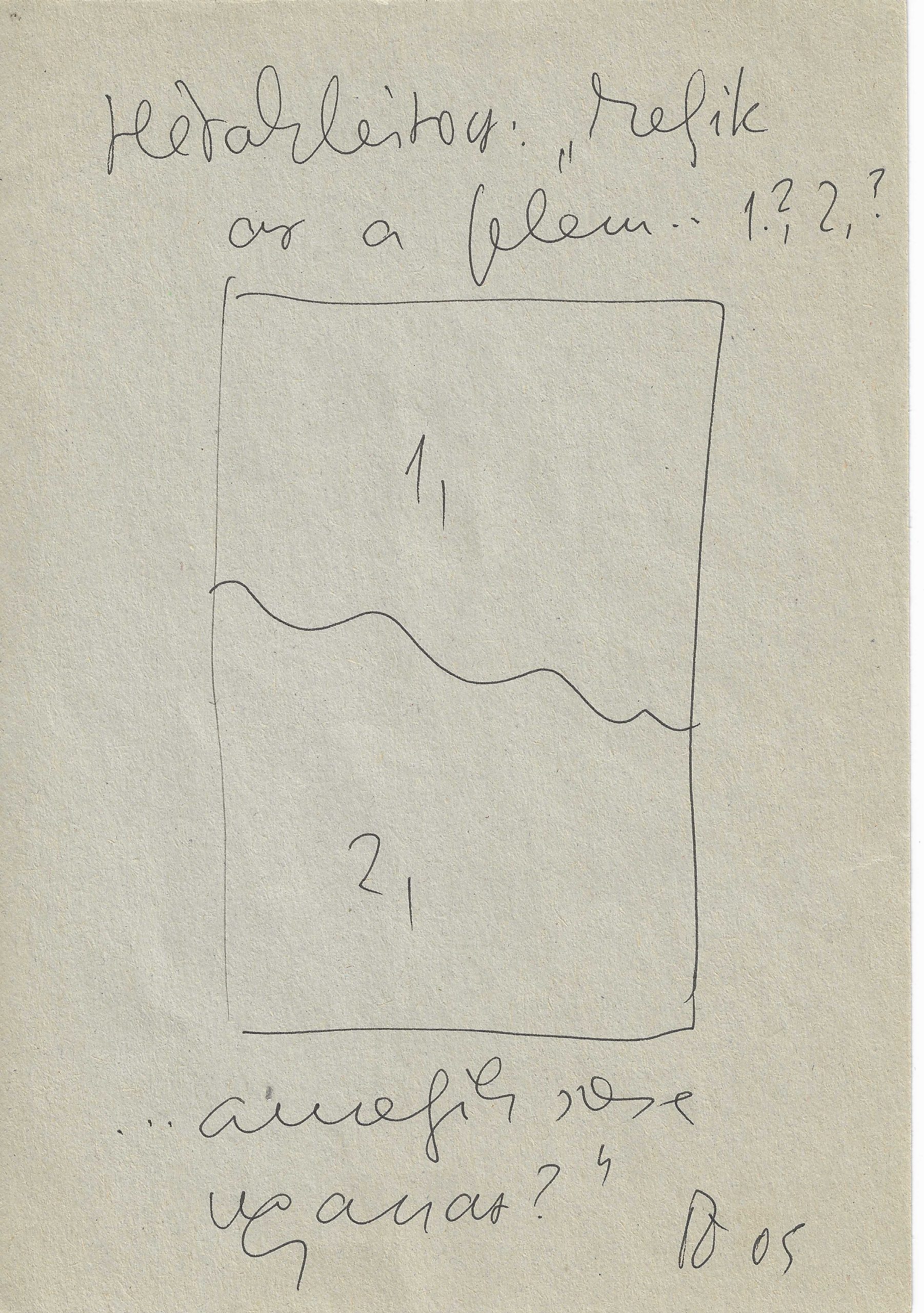
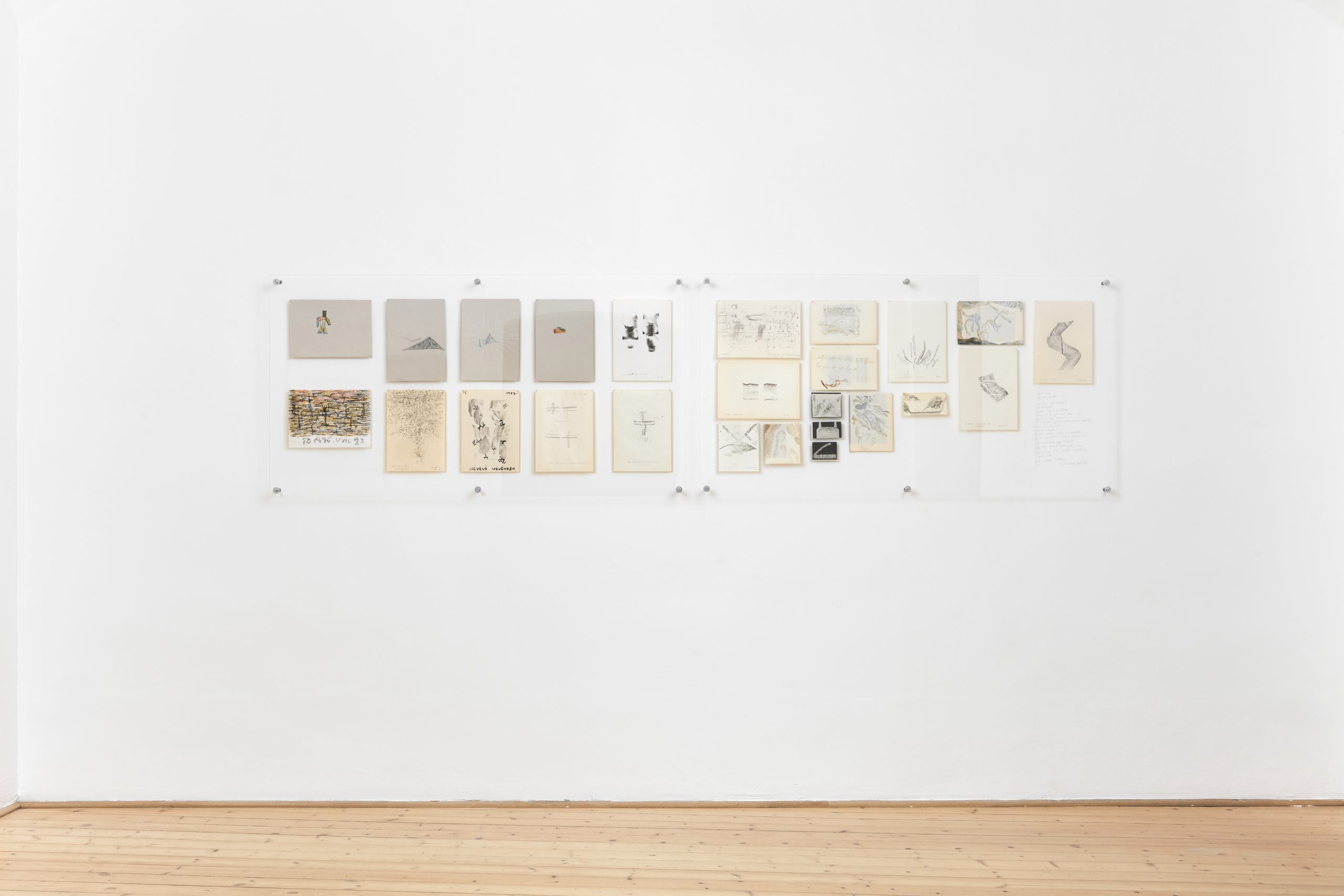
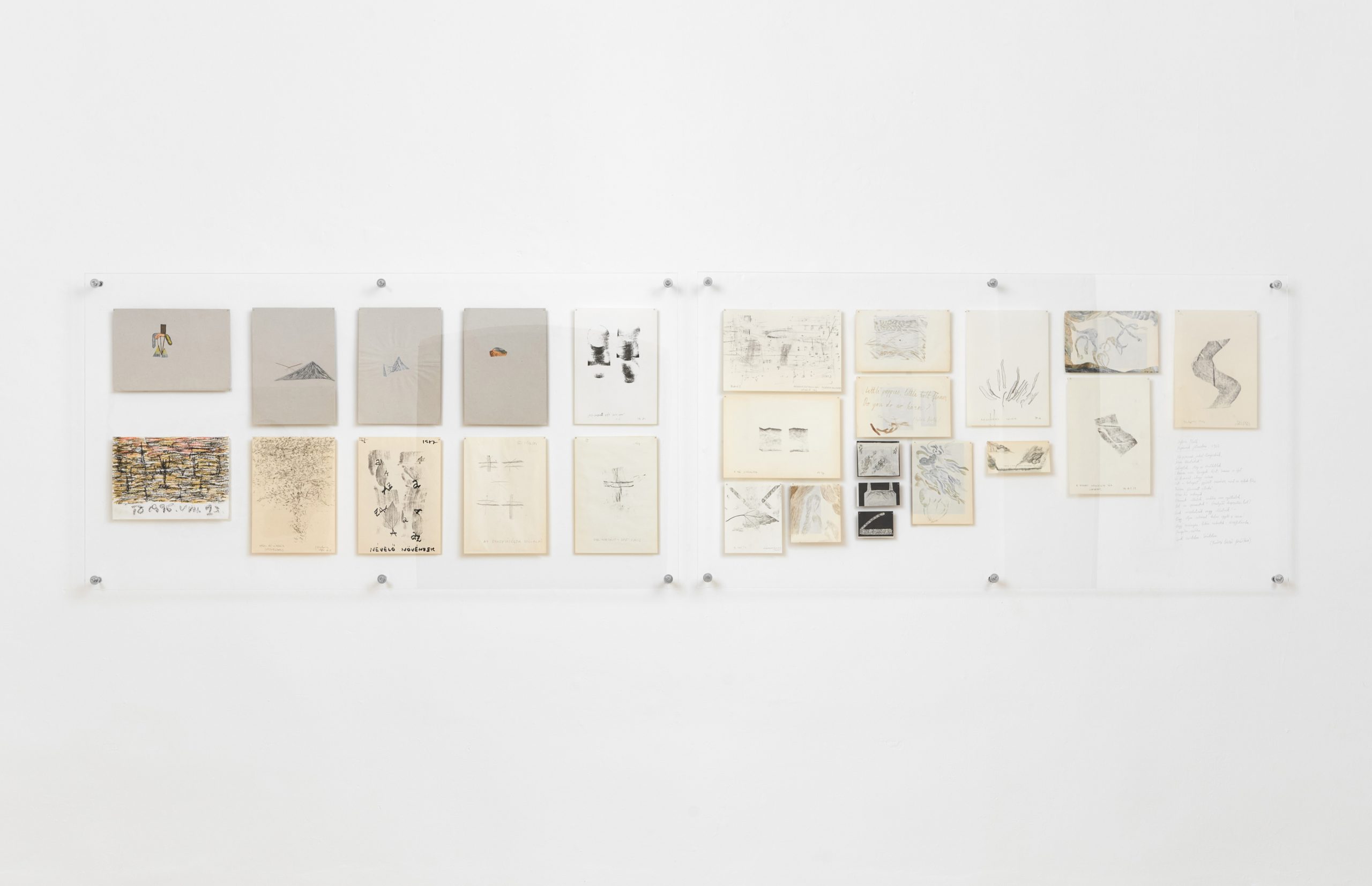
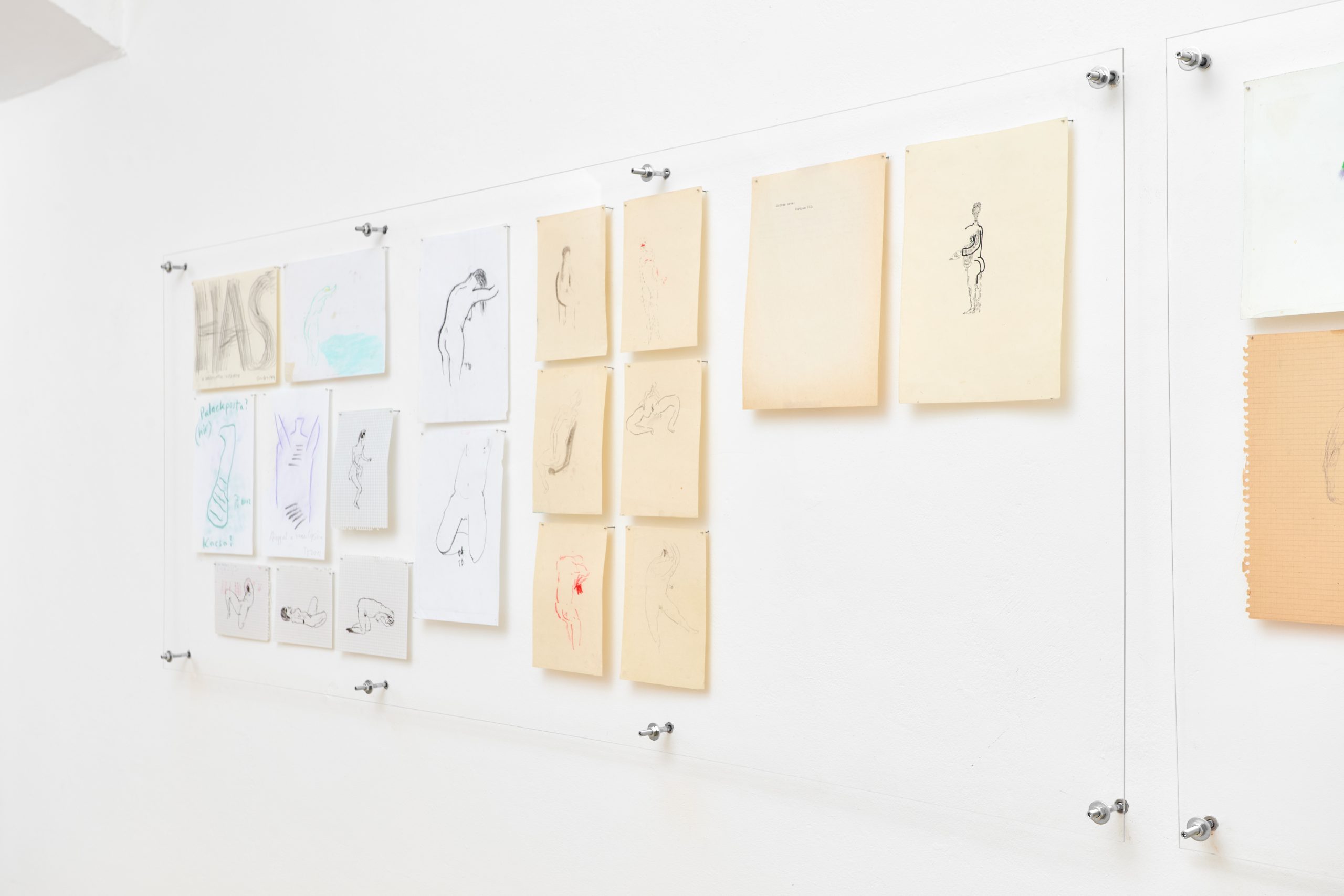
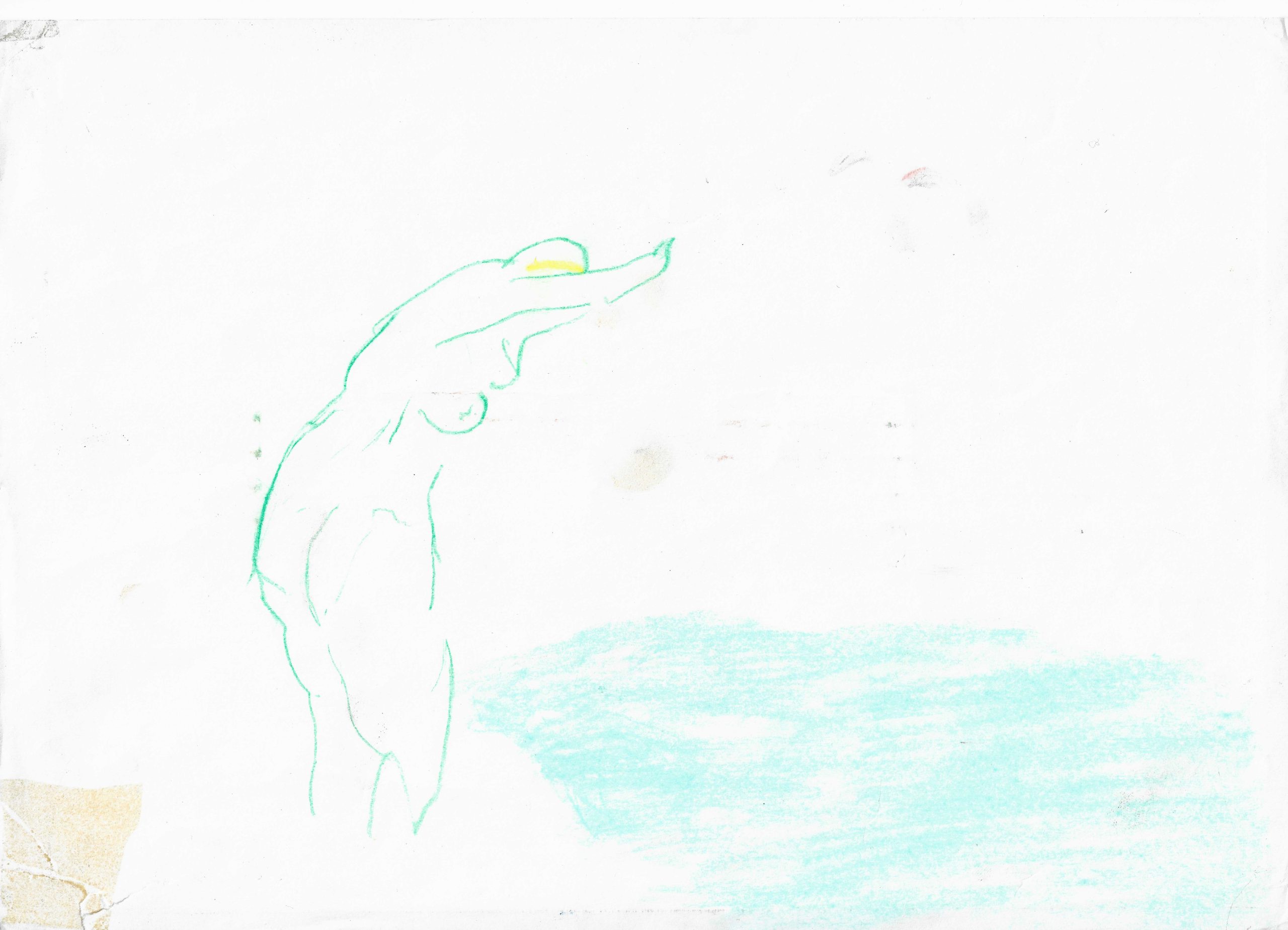
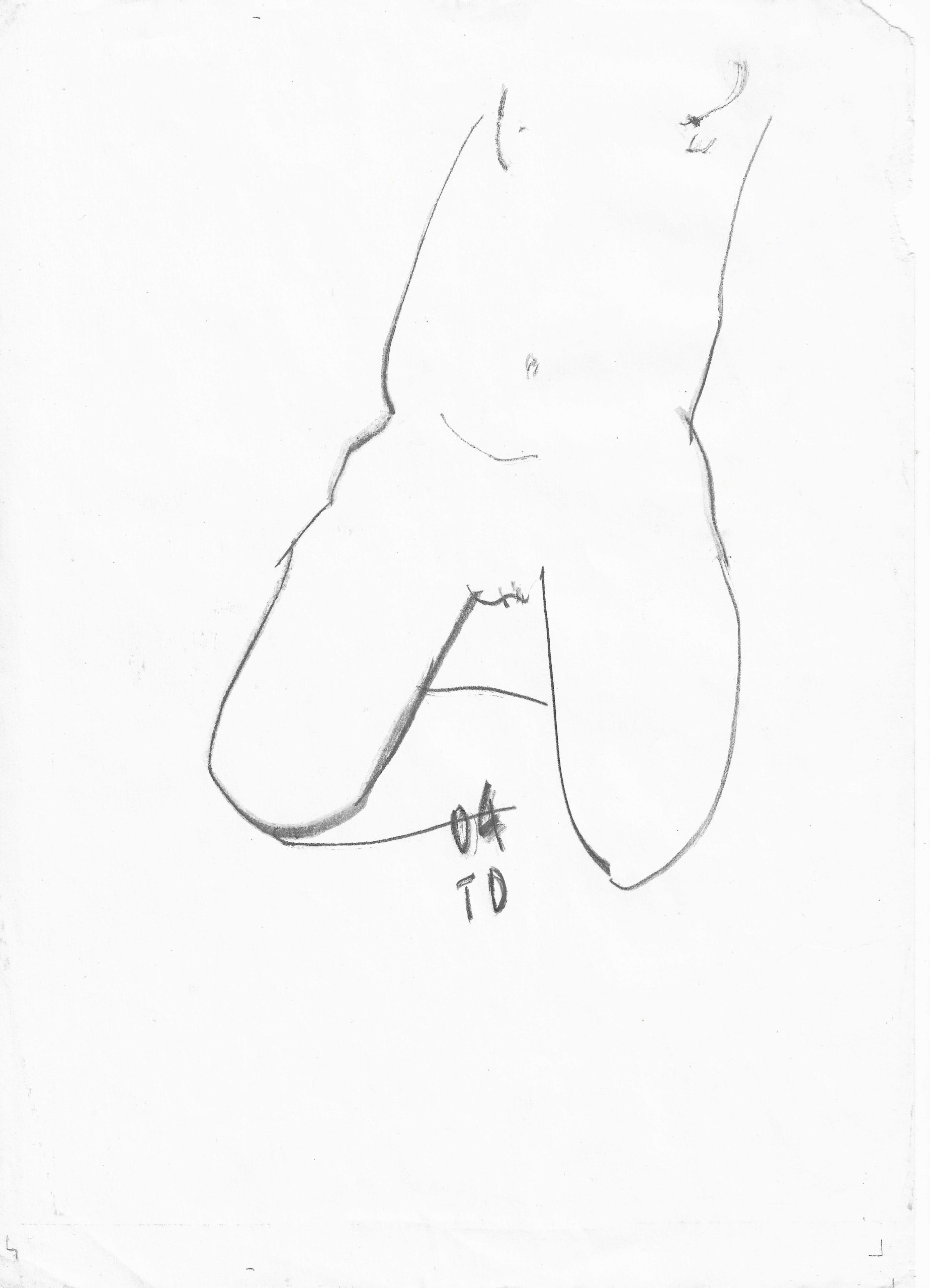
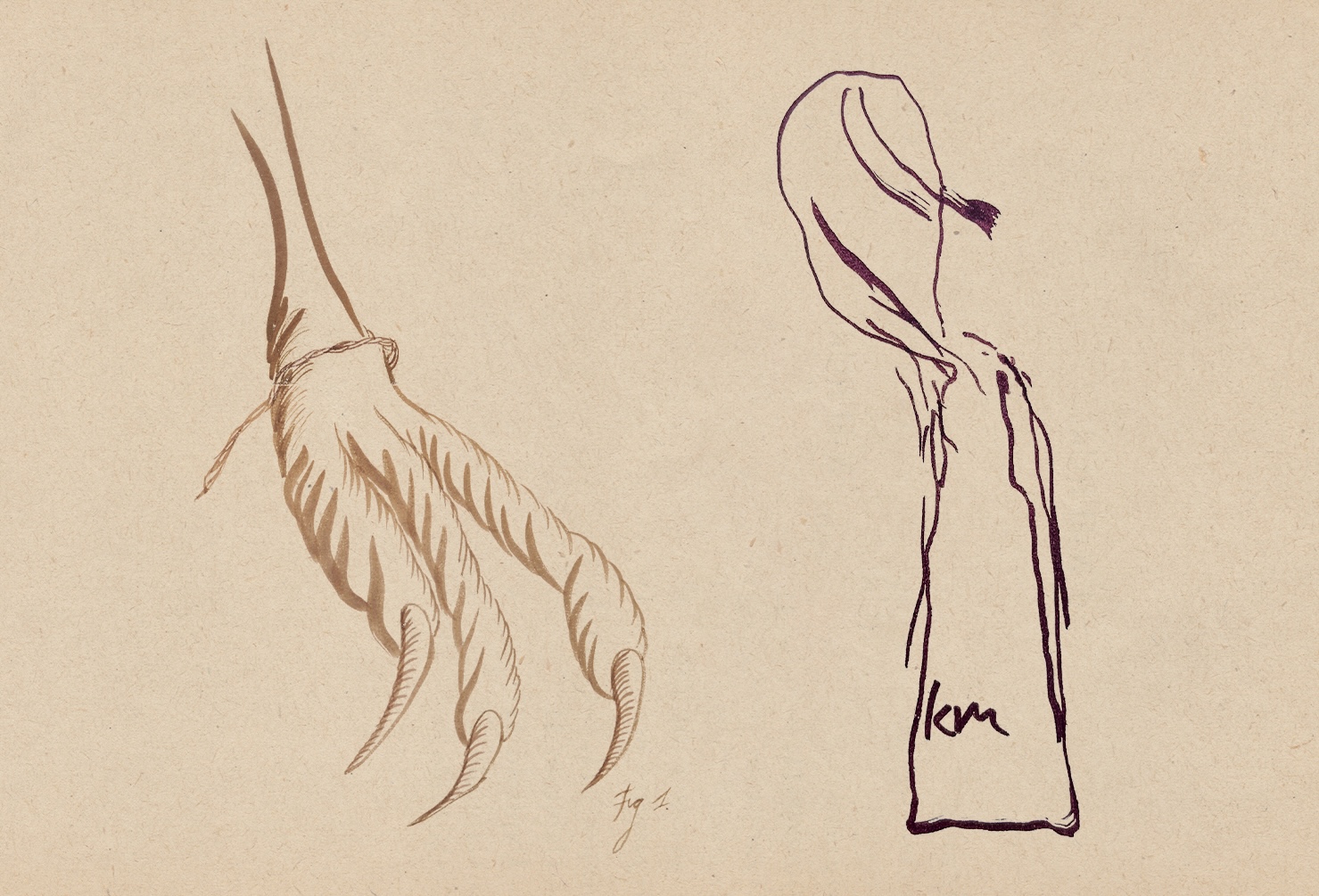
works. Alongside his literary oeuvre, he produced an extensive body of drawings and visual poems that formed an
organic part of his artistic practice. Although widely known as a writer and literary translator, his visual works remain
far less recognized within the broader reception of his oeuvre.
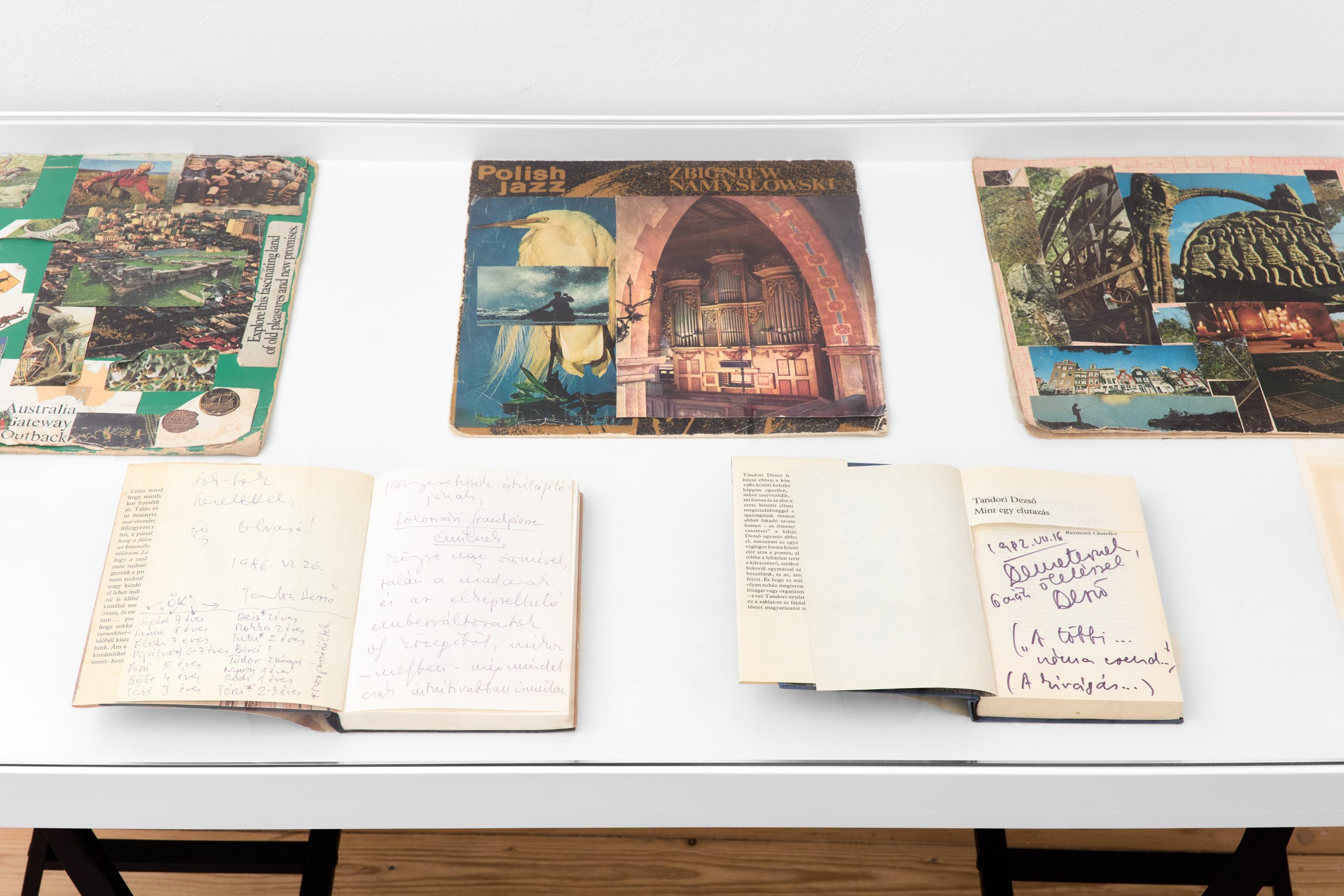
The graphic material presented in the exhibition was selected from the collection of Balázs Pándi, who, through
his research into Tandoriʼs unique record collection, came into close contact with the writerʼs diverse visual practices.
By placing our works in relation to one another, the exhibition did not propose a direct line of influence, but rather
made visible a set of structural and conceptual parallels that had emerged independently within our drawings.
The encounter thus revealed affinities that only became legible retrospectively, through juxtaposition.
A bejegyzés megtekintése az Instagramon