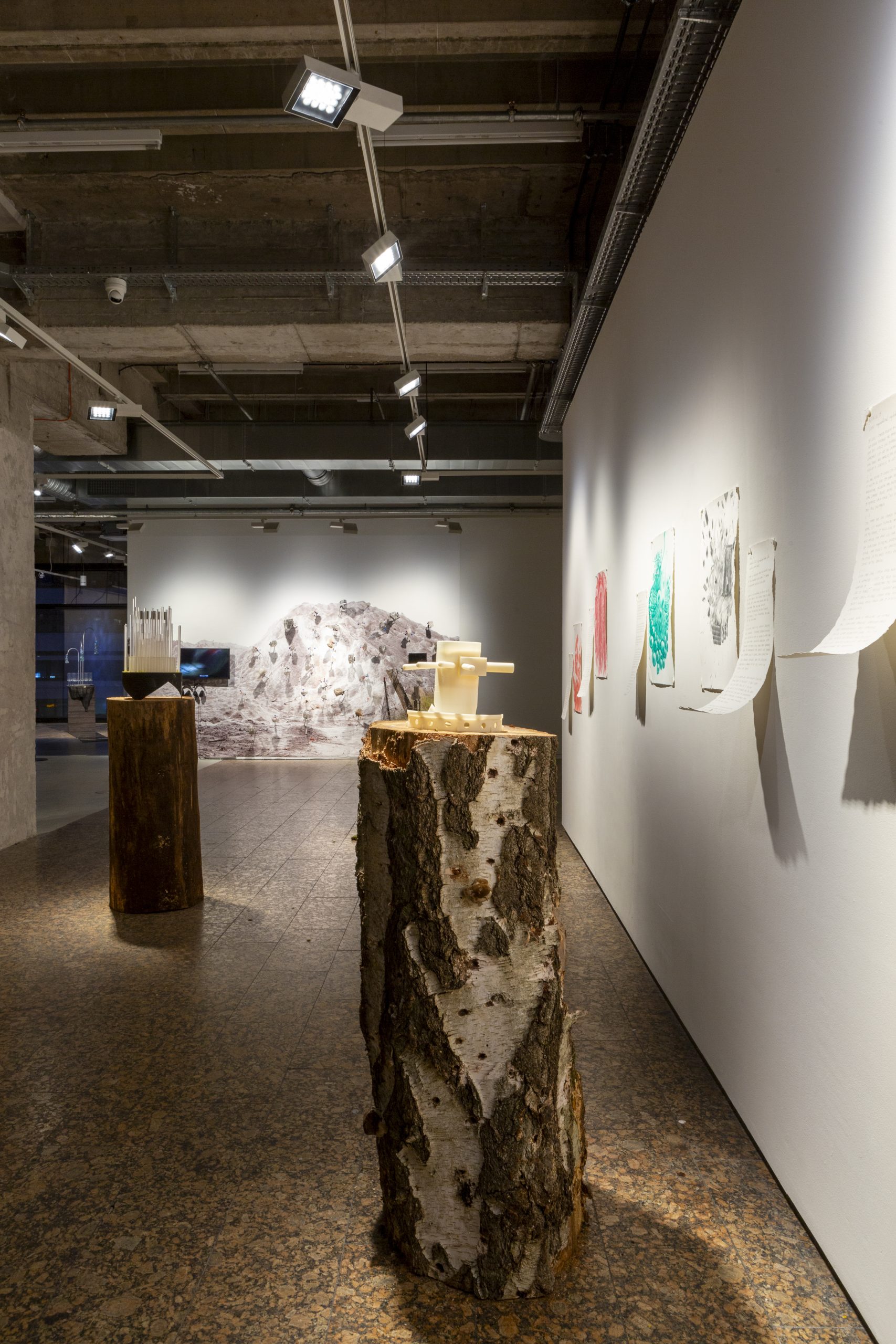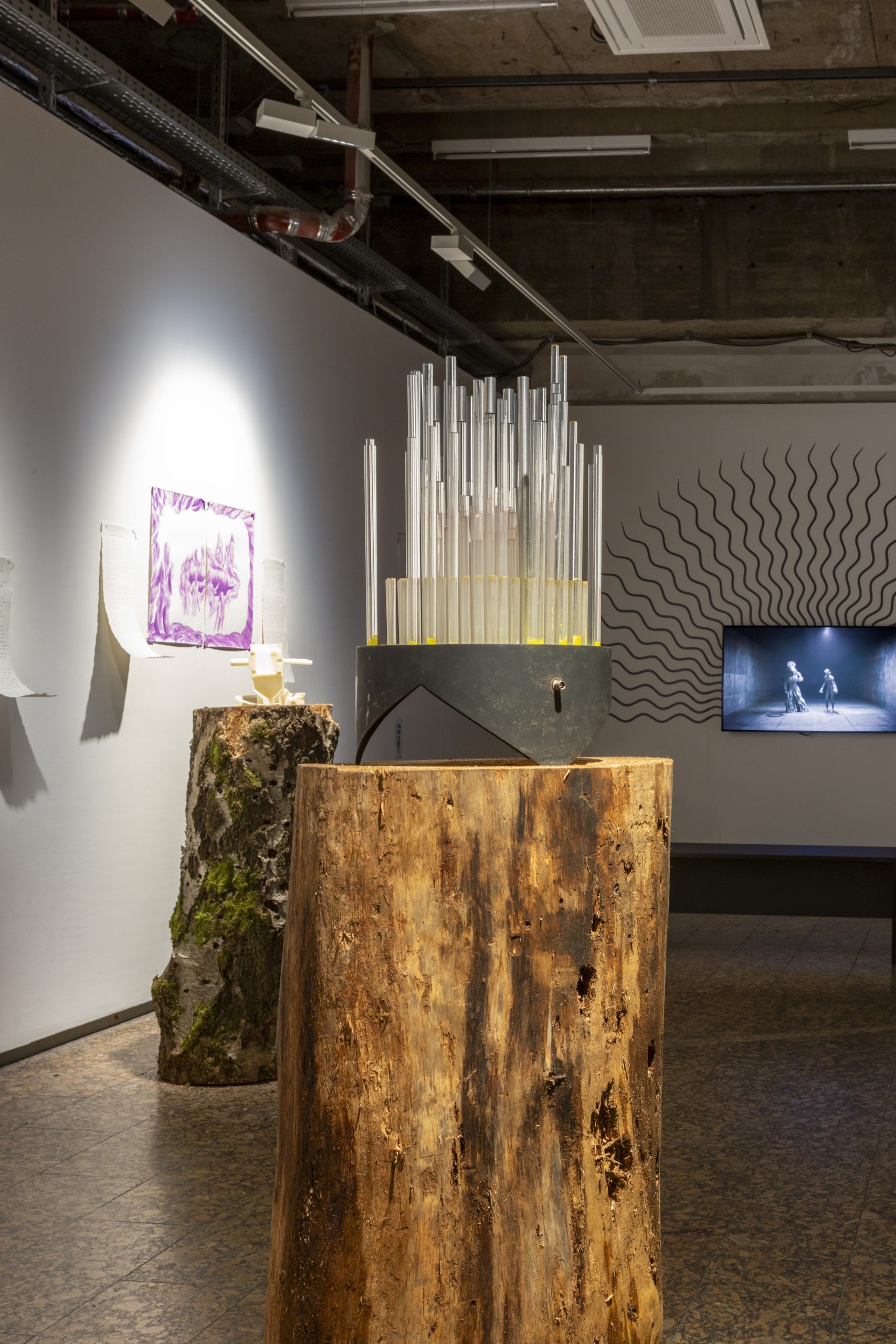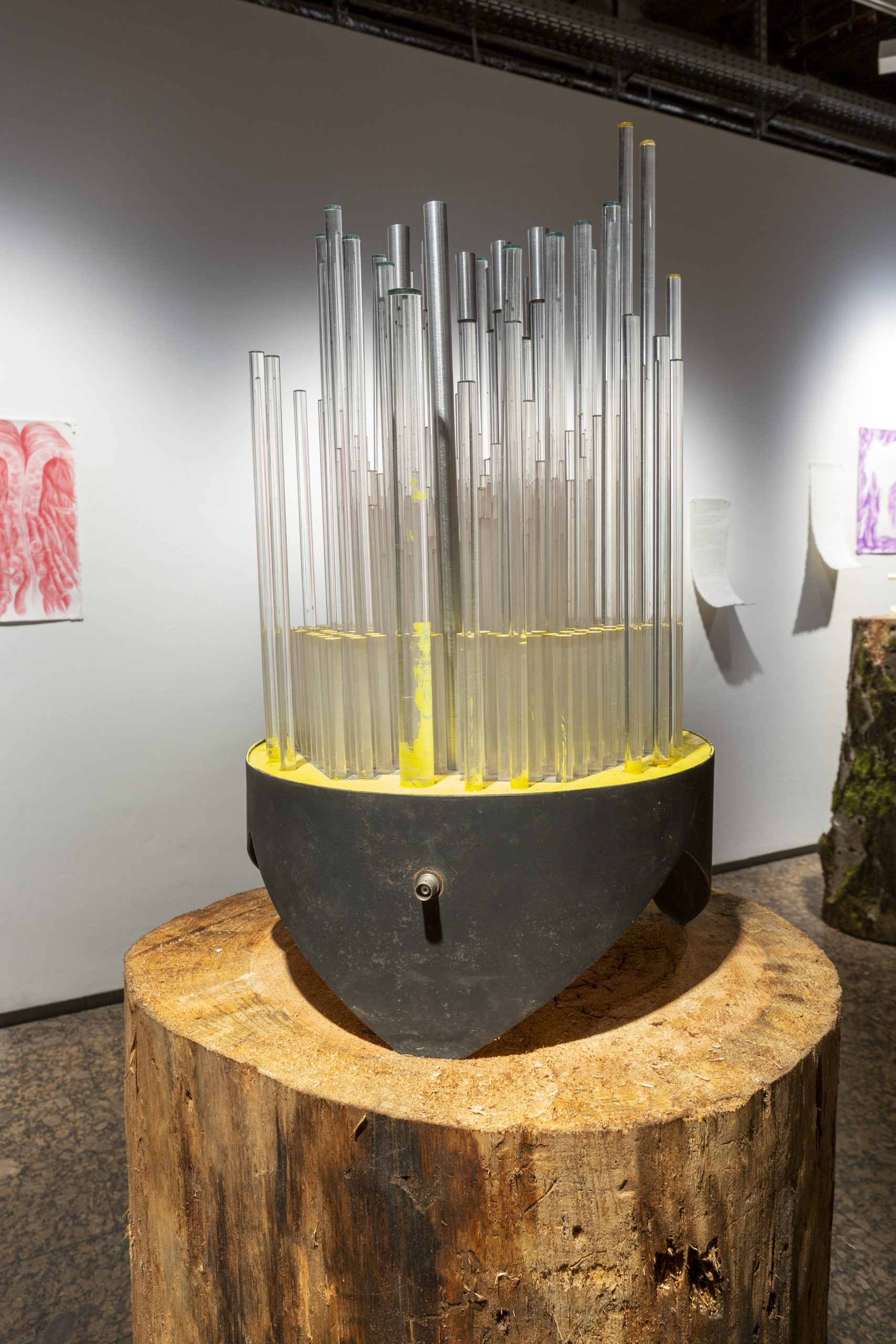
SALT. CLAY. ROCK. was a two-year artistic and curatorial research project examining
how nuclear infrastructures affect everyday life, with a particular focus on nuclear
energy production, radioactive waste storage, and the predominantly rural communities
directly impacted by these processes. Within the framework of the project, eleven artists were
commissioned to develop new works based on residencies in rural regions of Hungary and Germany,
following extensive curatorial research conducted in these areas. The research sites include:
Germany: Wendland, Erzgebirge, Rheinsberg, Morseleben
Germany: Wendland, Erzgebirge, Rheinsberg, Morseleben
Hungary: Paks, Bátapáti, Boda, Ófalu
The exhibition and public program presented at nGbK Berlin between November and
February 2025 shared the results of this in-depth research carried out by participating
artists and curators. From a translocal perspective, the project explores the
interconnections between energy, politics, ecology, and social movements.
Participating artists:
Ana Alenso, András Cséfalvay, Krisztina Erdei with Dániel Misota, Csilla Nagy & Rita
Süveges, Sonya Schönberger, Marike Schreiber, Katarina Sevic, Dominika Trapp, Anna
Witt.
Curatorial team:
Katalin Erdődi, Marc Herbst, Julia Kurz, Virág Major-Kremer, Vincent Schier.
N O B O D Y D R E A M S A B O U T N U C L E A R P O W E R P L A N T S
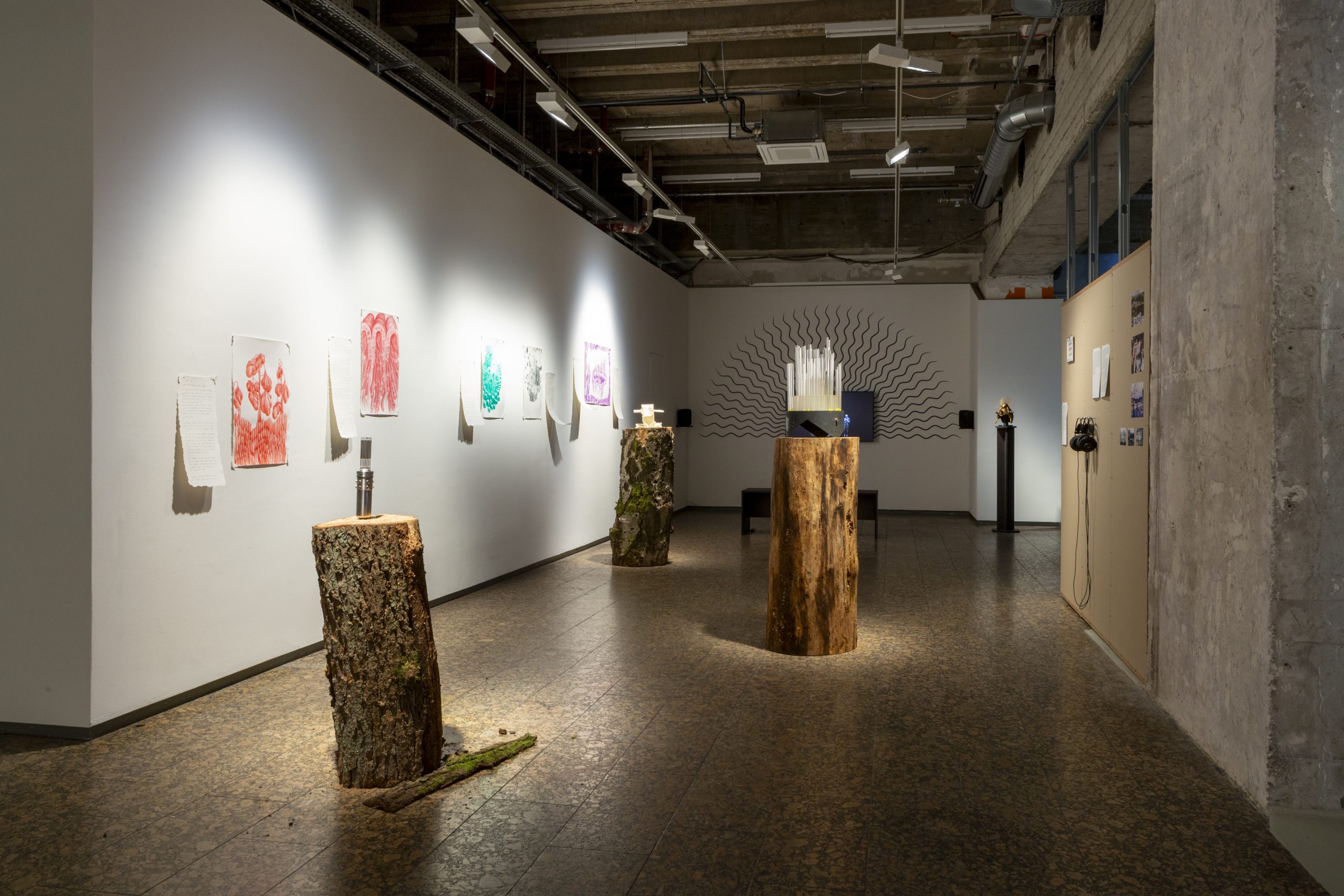
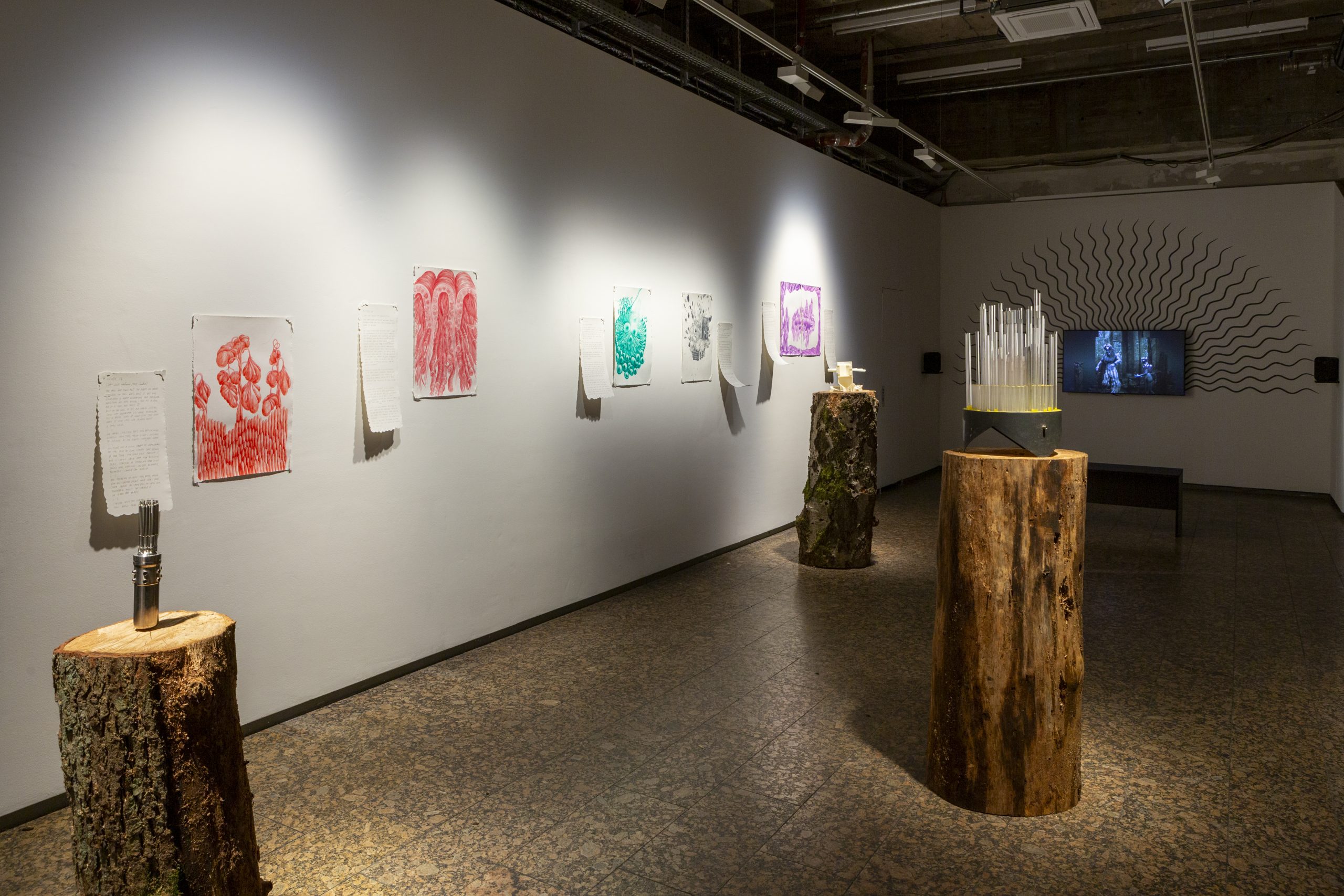
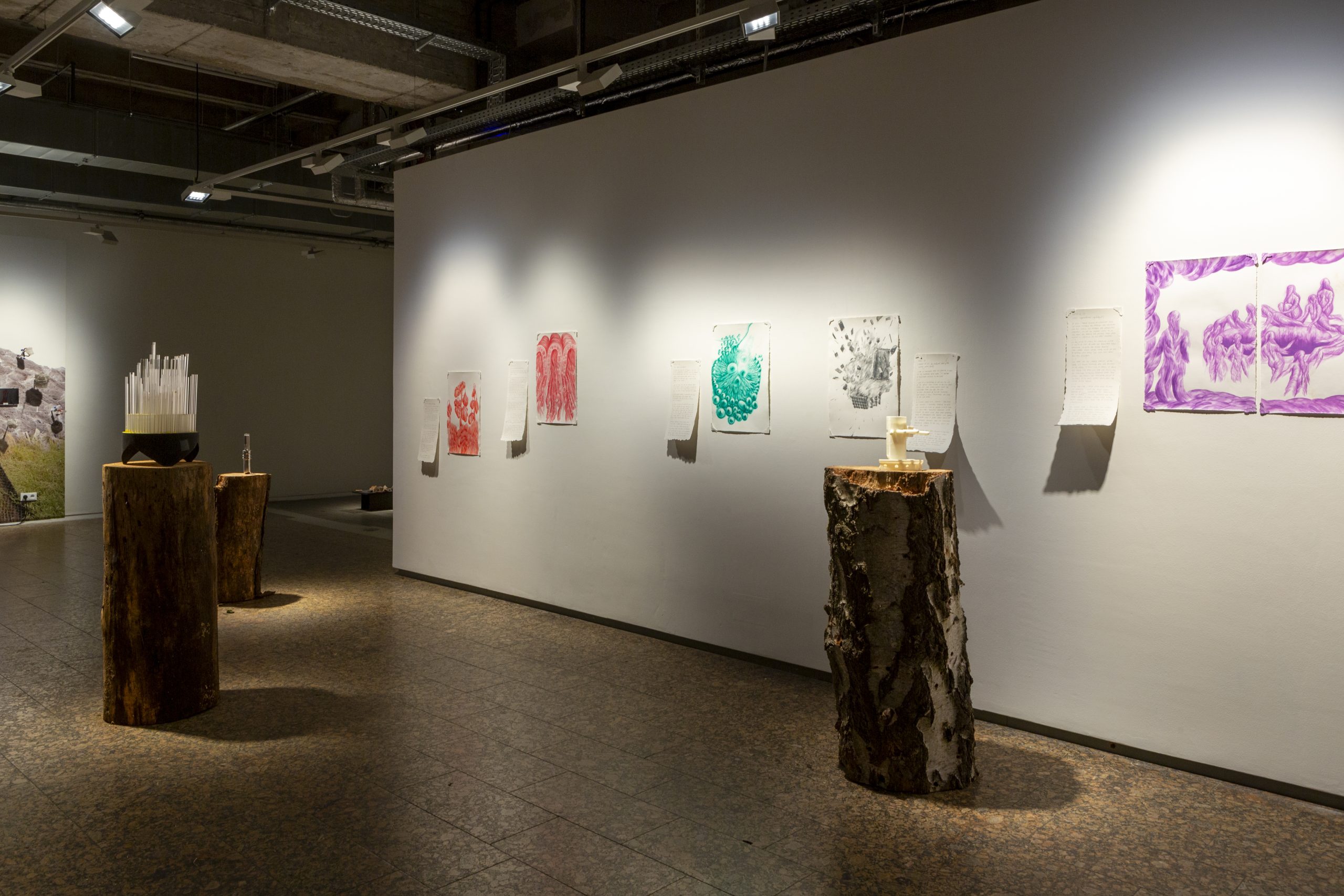
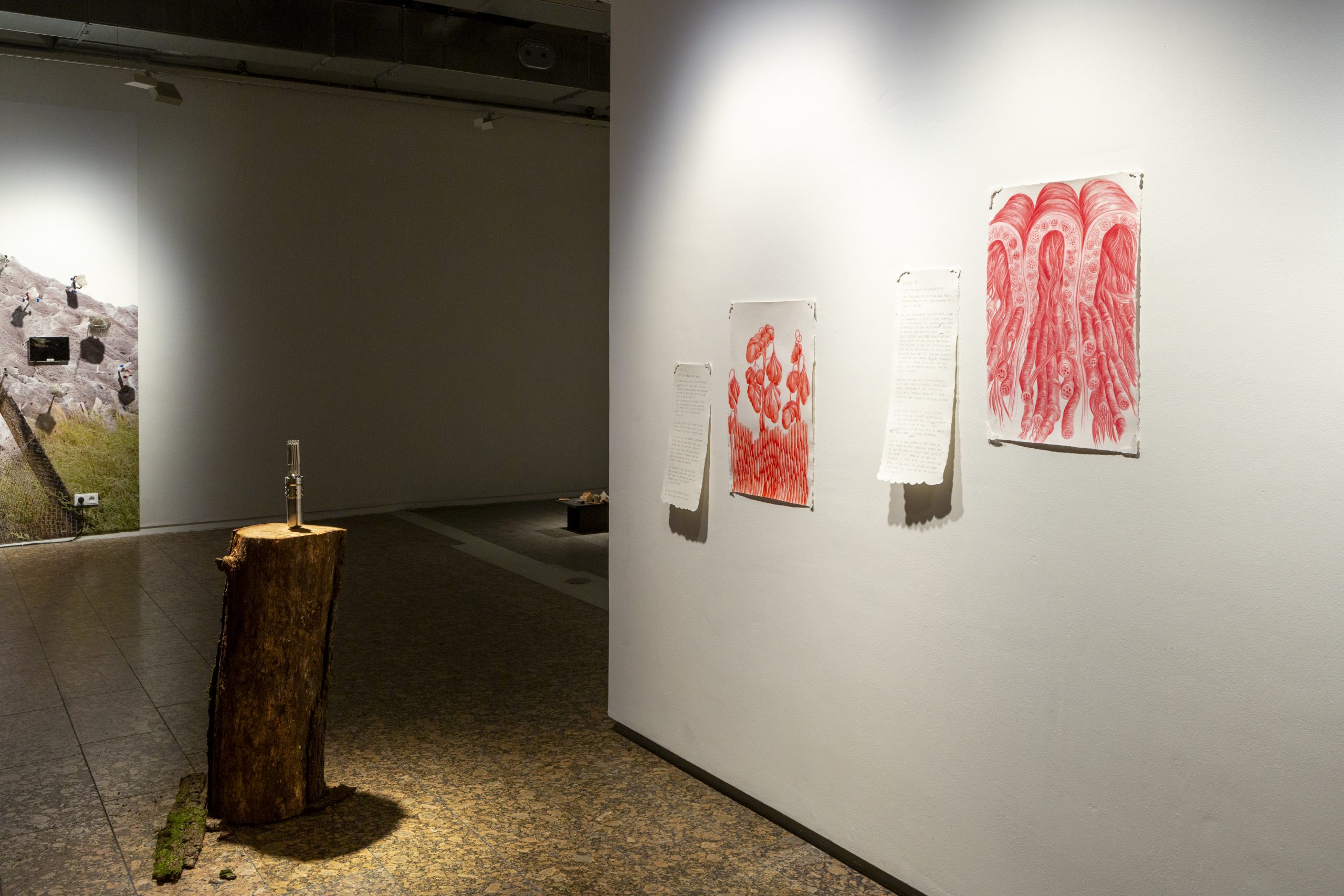
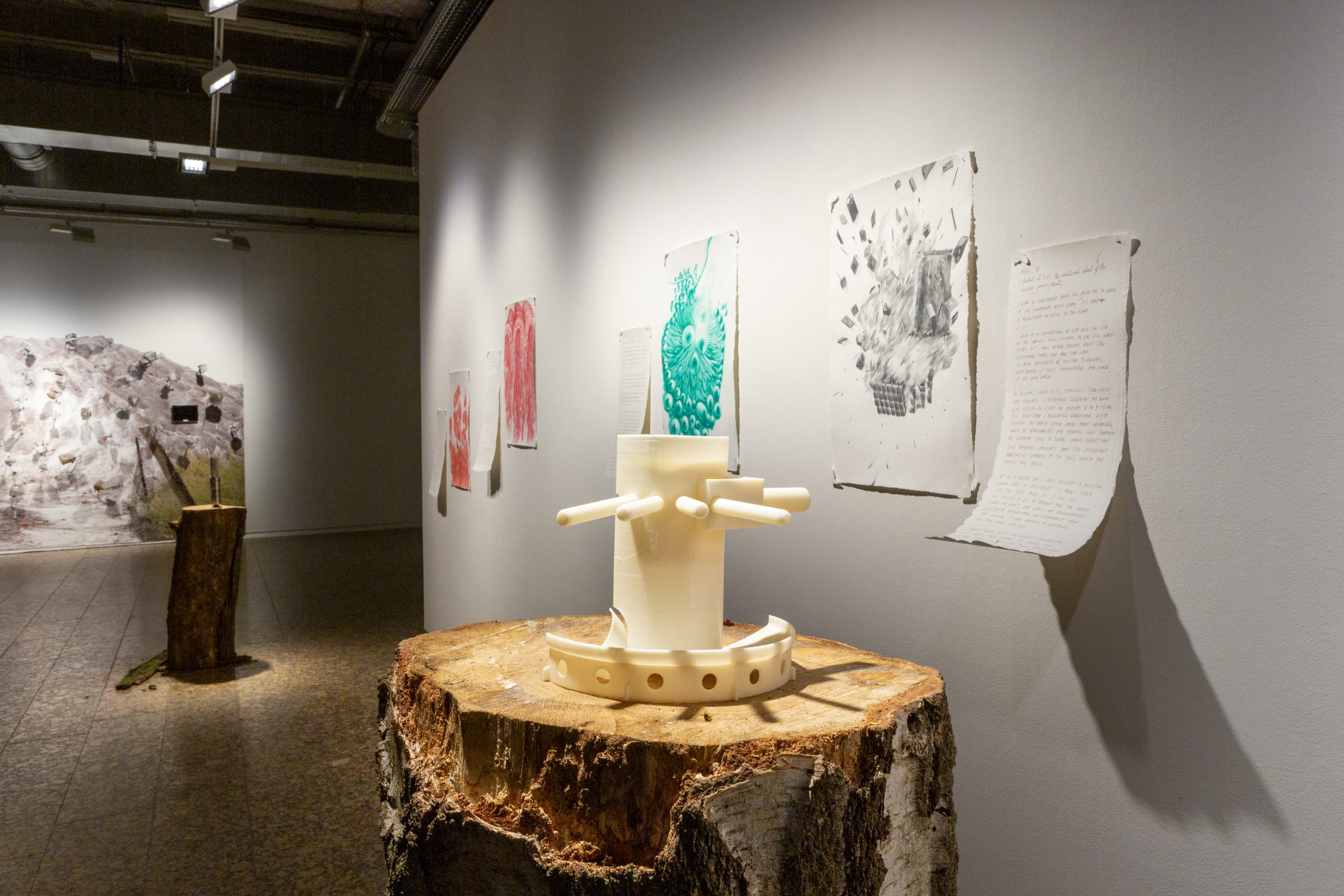
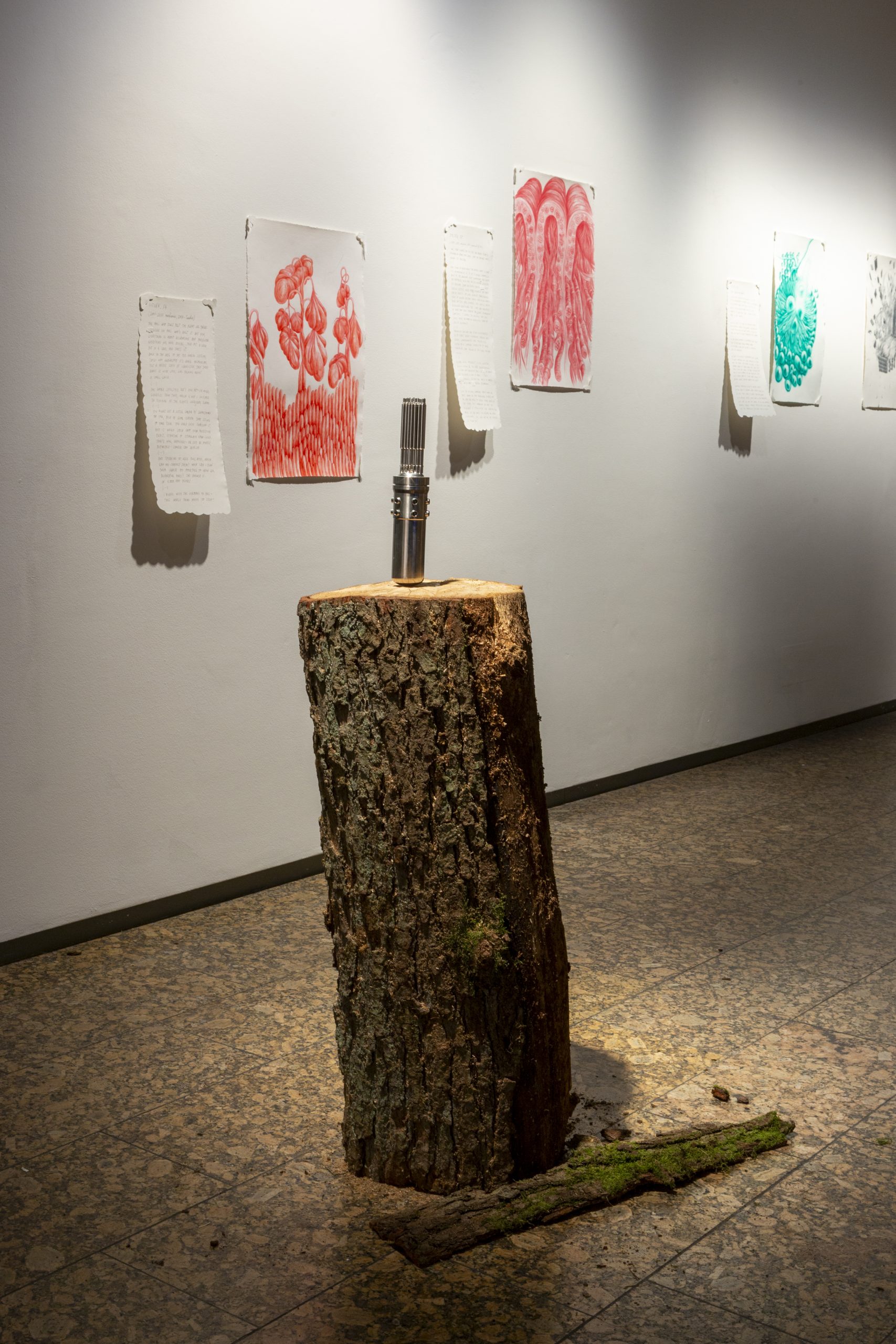
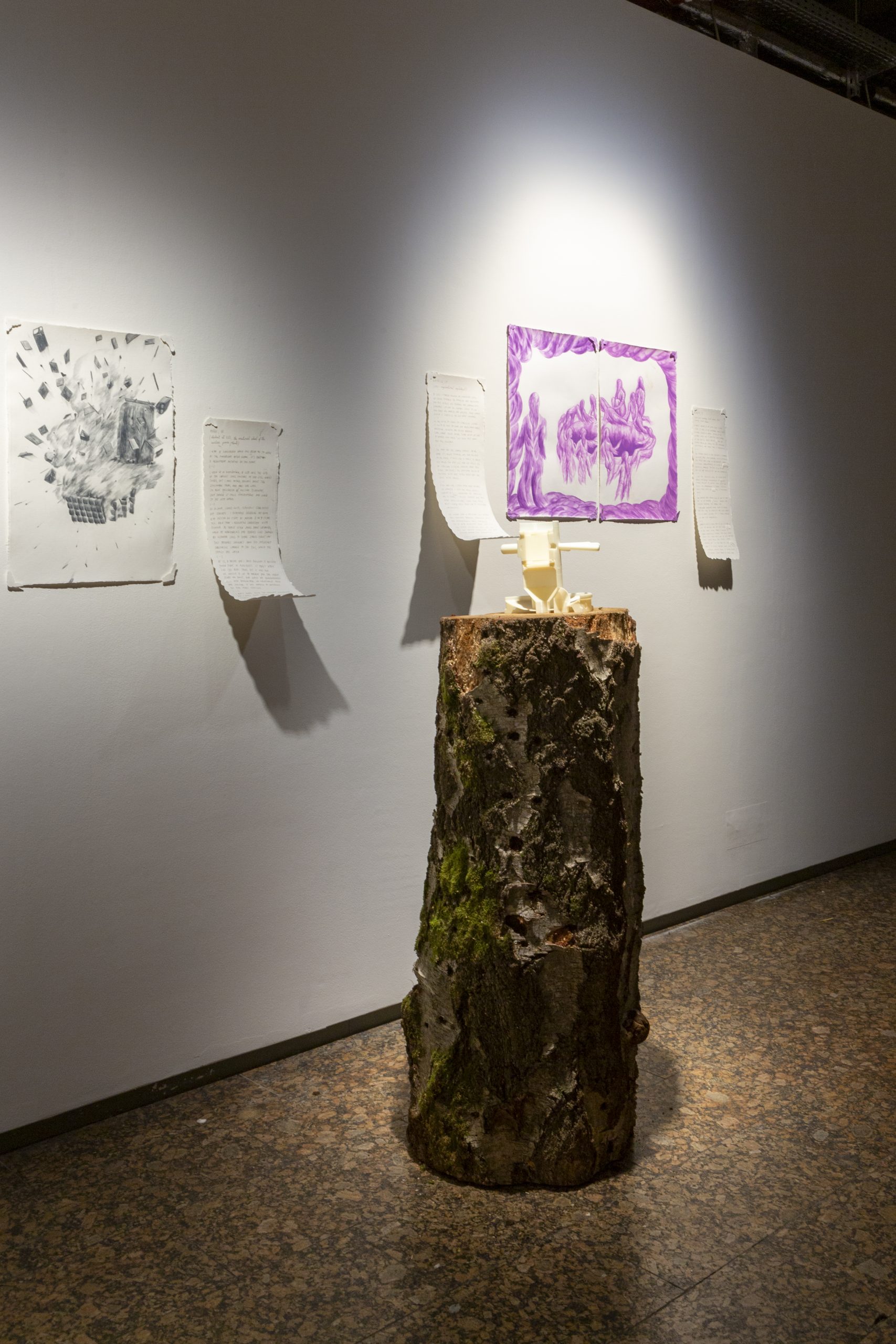
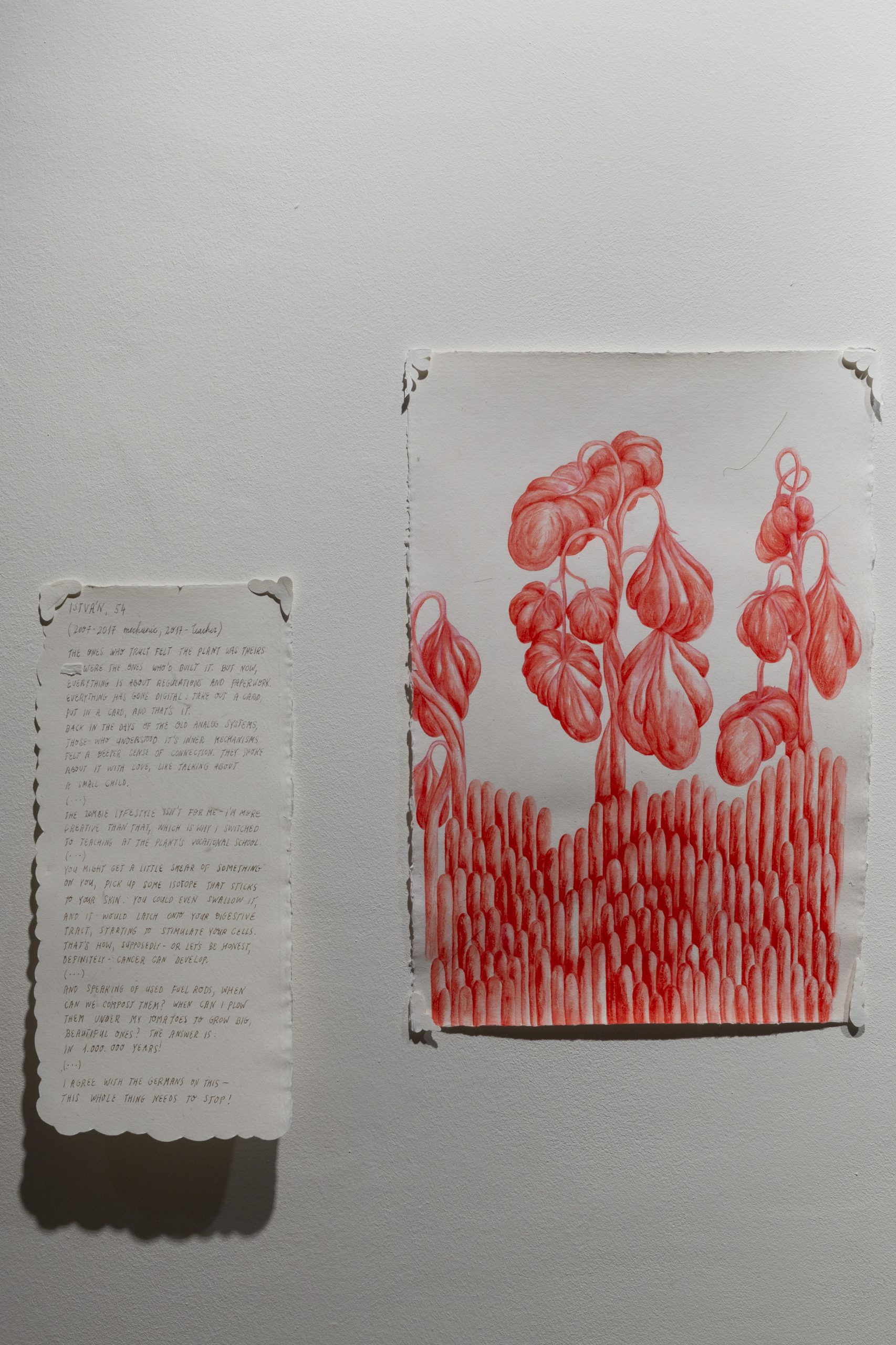
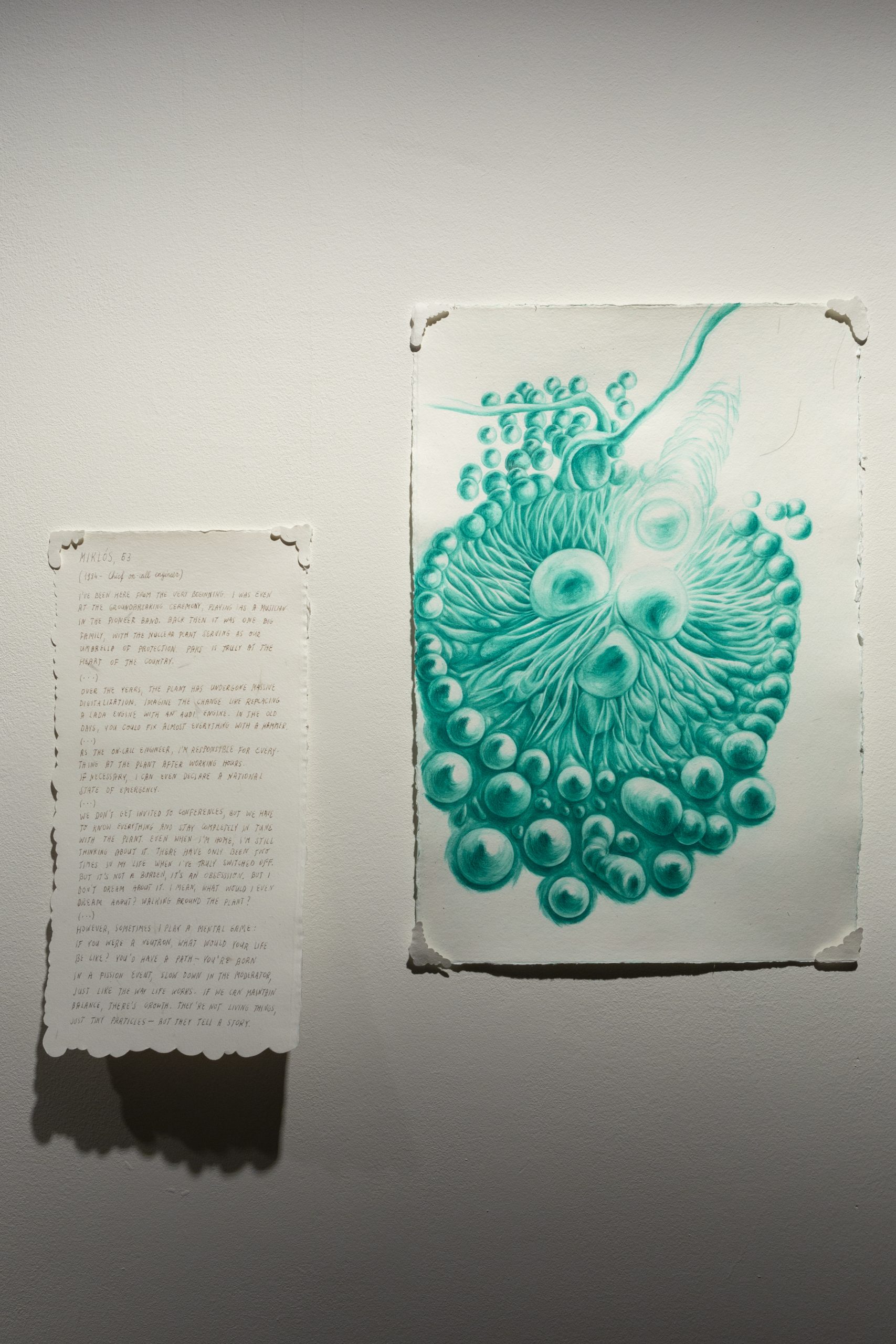
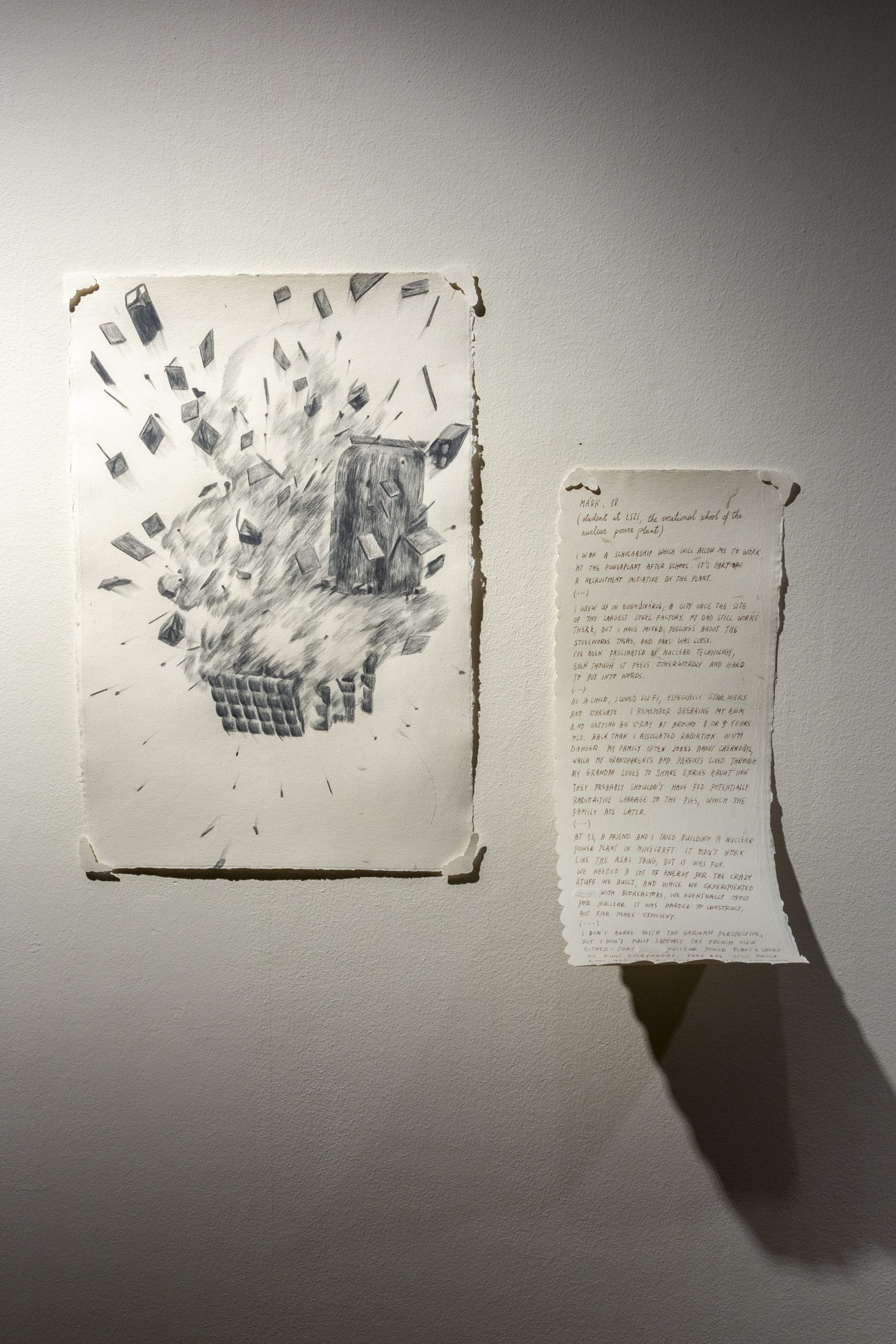
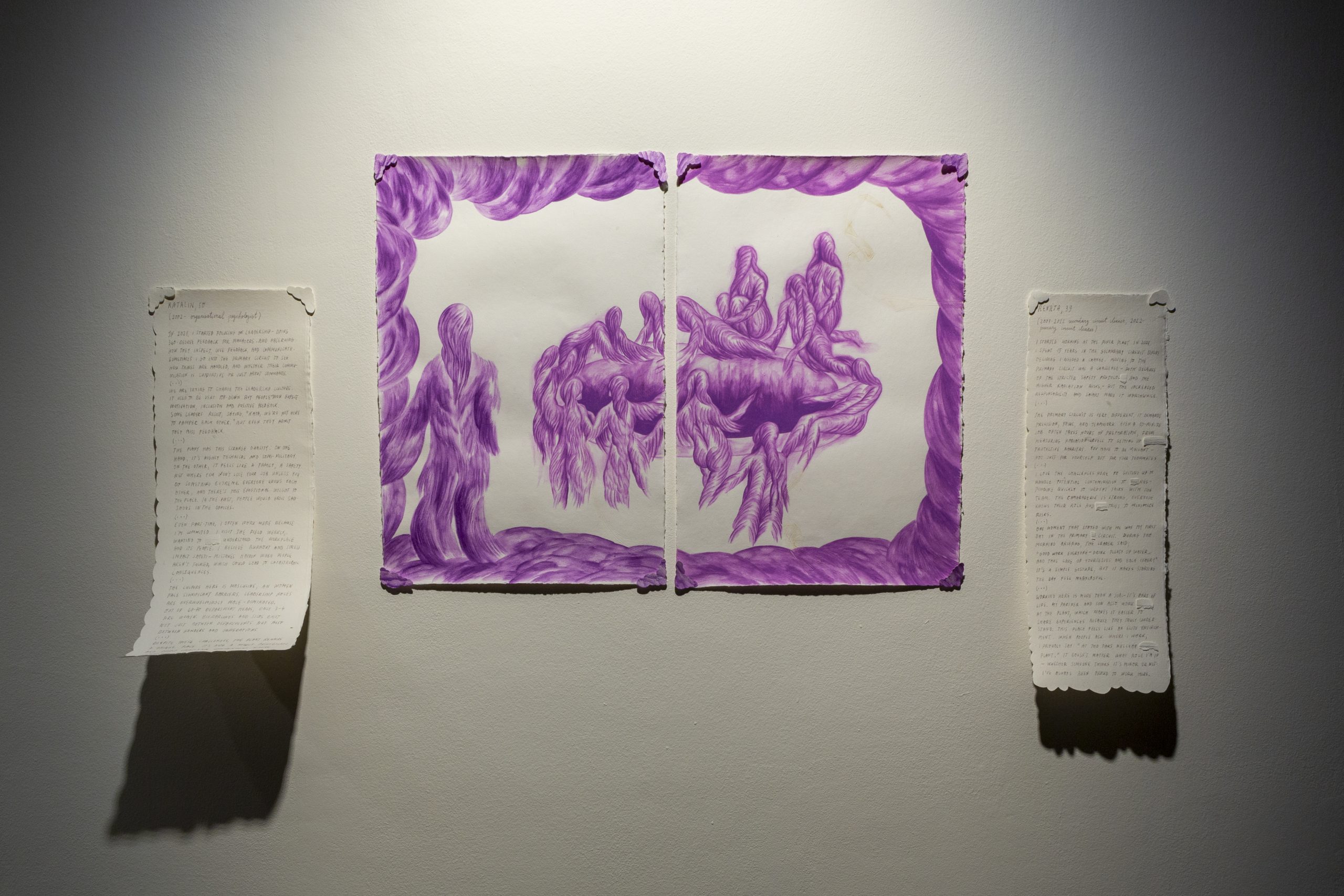
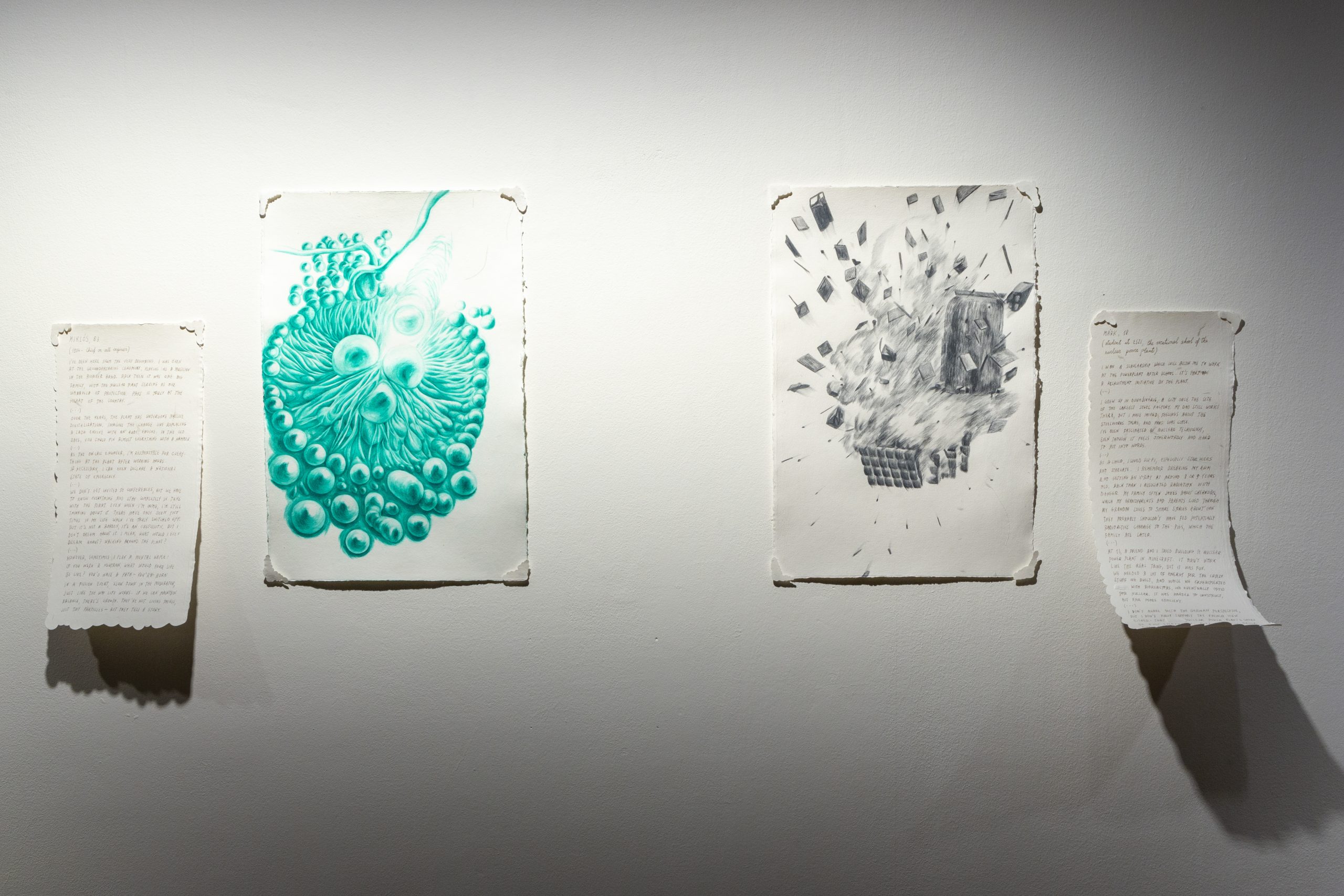
In this body of work, I examined the intimate relationship between the workers and the Paks Nuclear Power Plant in Hungary. I conducted in-depth interviews with employees across a wide range of positions – from cleaning staff and technical school trainees to senior engineers – in order to explore their personal interpretations and embodied experiences of the reactorʼs inner workings.
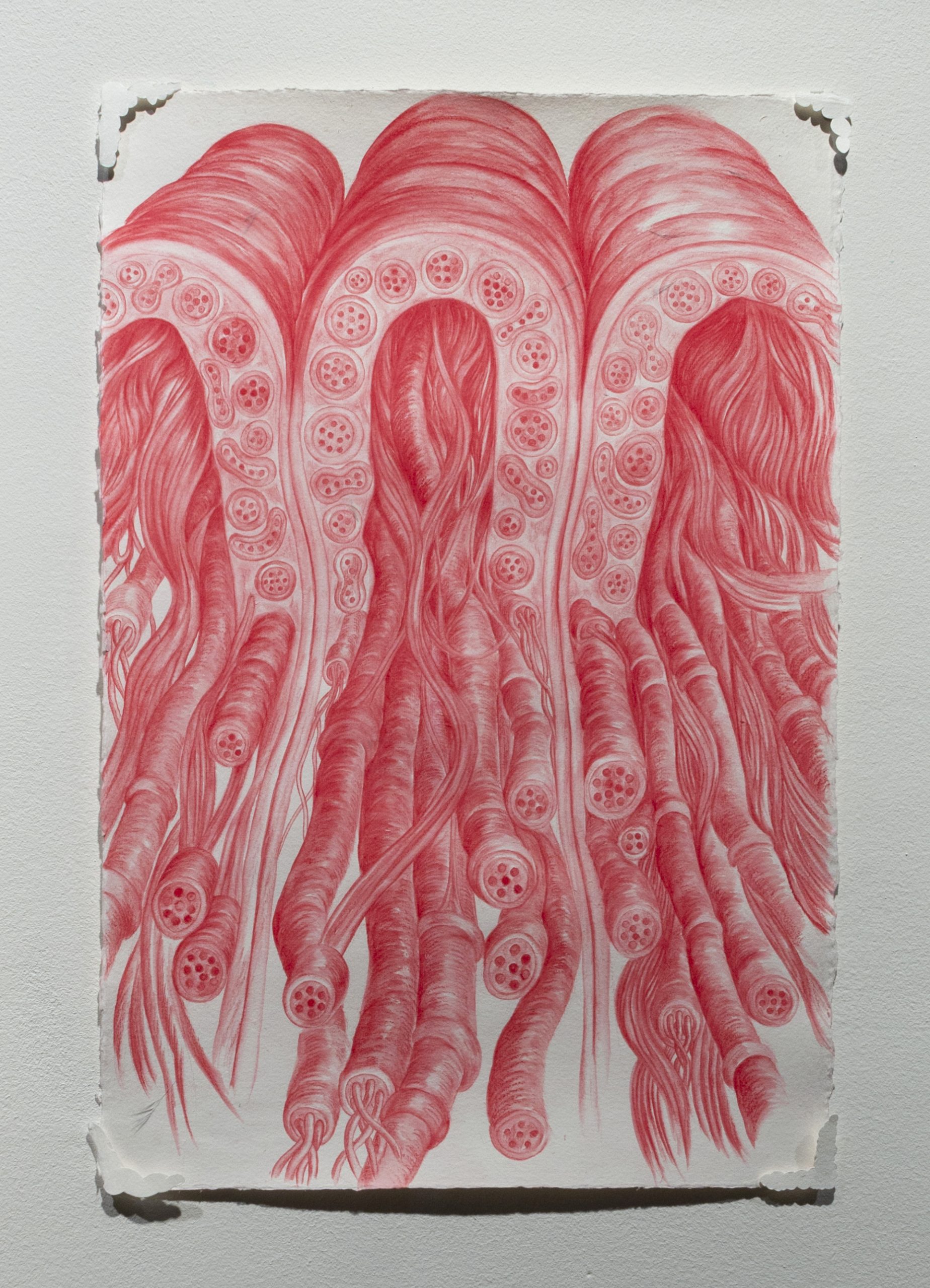
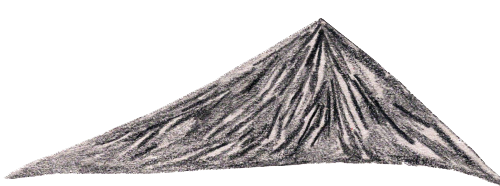
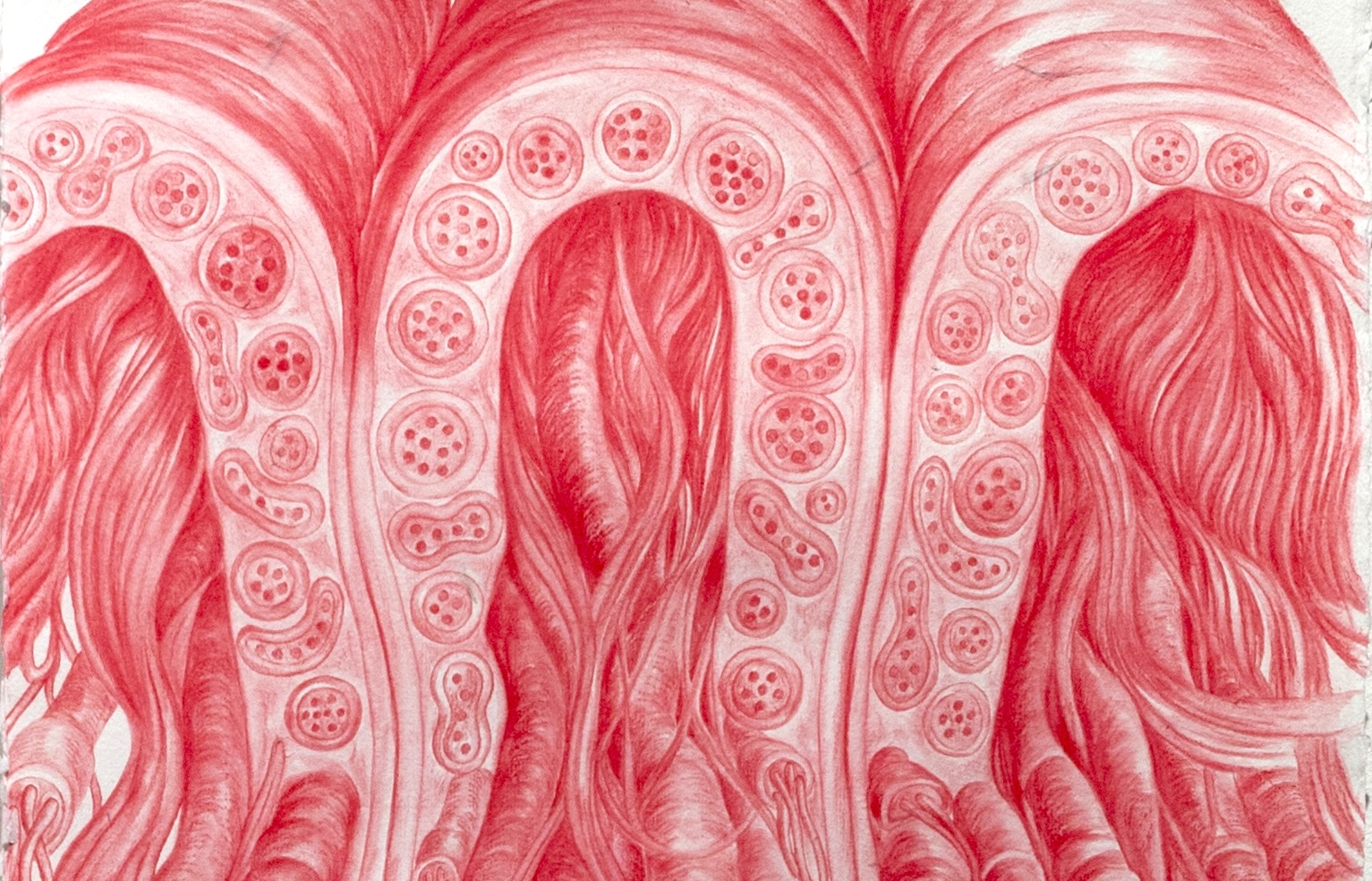
My research focused on how they subjectively perceived the plant, both as a technological system and as a structure embedded in their everyday routines. Through these conversations, the plant gradually emerged as an anthropomorphic technological entity. Its constant physical presence, technological complexity, and far-reaching social and economic impact on the city and on individual lives render it normalized – almost naturalized. While many employees found it difficult to articulate their bodily reactions and emotions in the shadow of this opaque and often intimidating technology, their descriptions nonetheless suggested a living, breathing force. They frequently spoke about the plant through sentimental, transcendental, or even familial metaphors. The divergent viewpoints revealed how changing technological paradigms shape individual relationships to industrial environments. My drawings attempt to condense and render visible these layered associations, offering a multifaceted portrait of the nuclear power plant.
For this series, I worked with handmade paper produced through an immersion technique that incorporated vegetation collected from the plantʼs immediate surroundings, particularly from the fish pond located on its premises. This pond also appears in the idyllic nature photographs displayed within the facility itself. By literally integrating this vegetal material into the surface of the drawings – a gesture that could be read as a form of “greenwashing” – I sought to reflect critically on the rhetoric that presents nuclear energy as clean and sustainable. The works foreground how environmental imagery and narratives of preservation become intertwined with the plantʼs public image and institutional self-representation.