
In 2017, I spent 2 months as artist in residence in Serranova, Carovigno. During my strolls on the
beach, I noticed a lot of strange little globules in the sand.
I discovered those fuzzy formations are made of the dead foliage of Mediterranean seagrass
(Posidonia Oceanica), which is endemic in the Mediterranean sea and certain representatives
of it are considered the oldest living organisms on Earth. Unfortunately, the increasing maximum
annual seawater temperature in the Mediterranean has led to increased seagrass mortality, and grass
meadows shrink a striking 5% every year. According to scientific papers, the warming will lead to
the functional extinction of Posidonia Oceanica meadows by the middle of this century. It would be
a tragic loss since Posidonia meadows are extremely effective carbon sinks and one of the most important
Mediterranean ecosystems due to their ecological role and biodiversity: scientists state they host 20-25%
of all Mediterranean species.
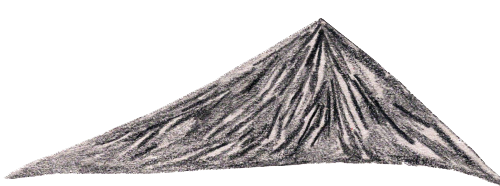
I disassembled the little seagrass balls, and found fascinating tiny plant particles in the inside.
I drew big scale portraits of these fragments: partly to pay respect to the methuselah organism and partly
draw the community’s attention on the plant itself and its struggle with climate change.
In the other part of my project, I tried to measure what kind of environmental issues concern the residents
of Carovigno. I found out that besides agricultural changes, one of the main palpable problems is the irresponsible
plastic usage. With the participants andthe teacher of the local art course, we tried to find a sustainable alternative
to the disposable plastic dinnerware of the school canteen. The children drew inspiration from the coastal rock
formations of Torre Guaceto to make their unique plates of clay.
The finished pieces, together with my own rock interpretations, were presented on my vernissage.
Vistors could use the plates, as they served as pedestals for locally grown vegetable and edible weed textures.


