I’ve rewritten the text for academic exhibition-catalog English while preserving its tone, argument, and references. I aimed for a style closer to contemporary critical theory and curatorial writing than to literal translation.
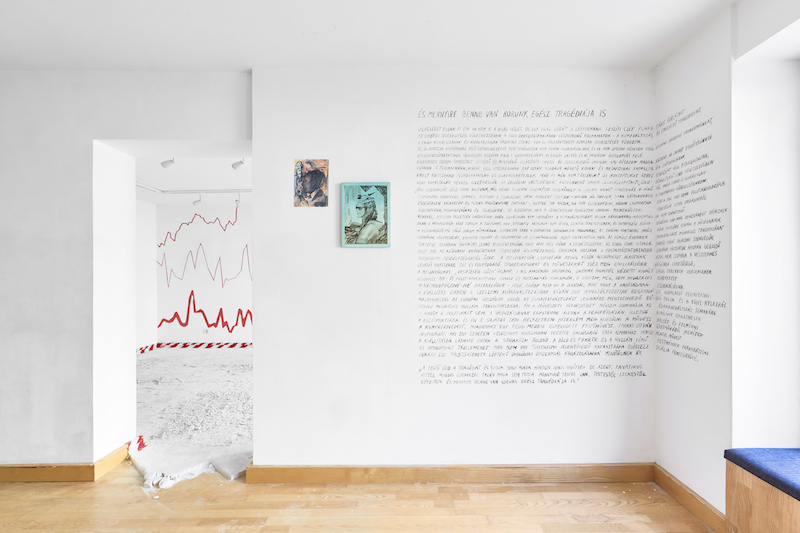
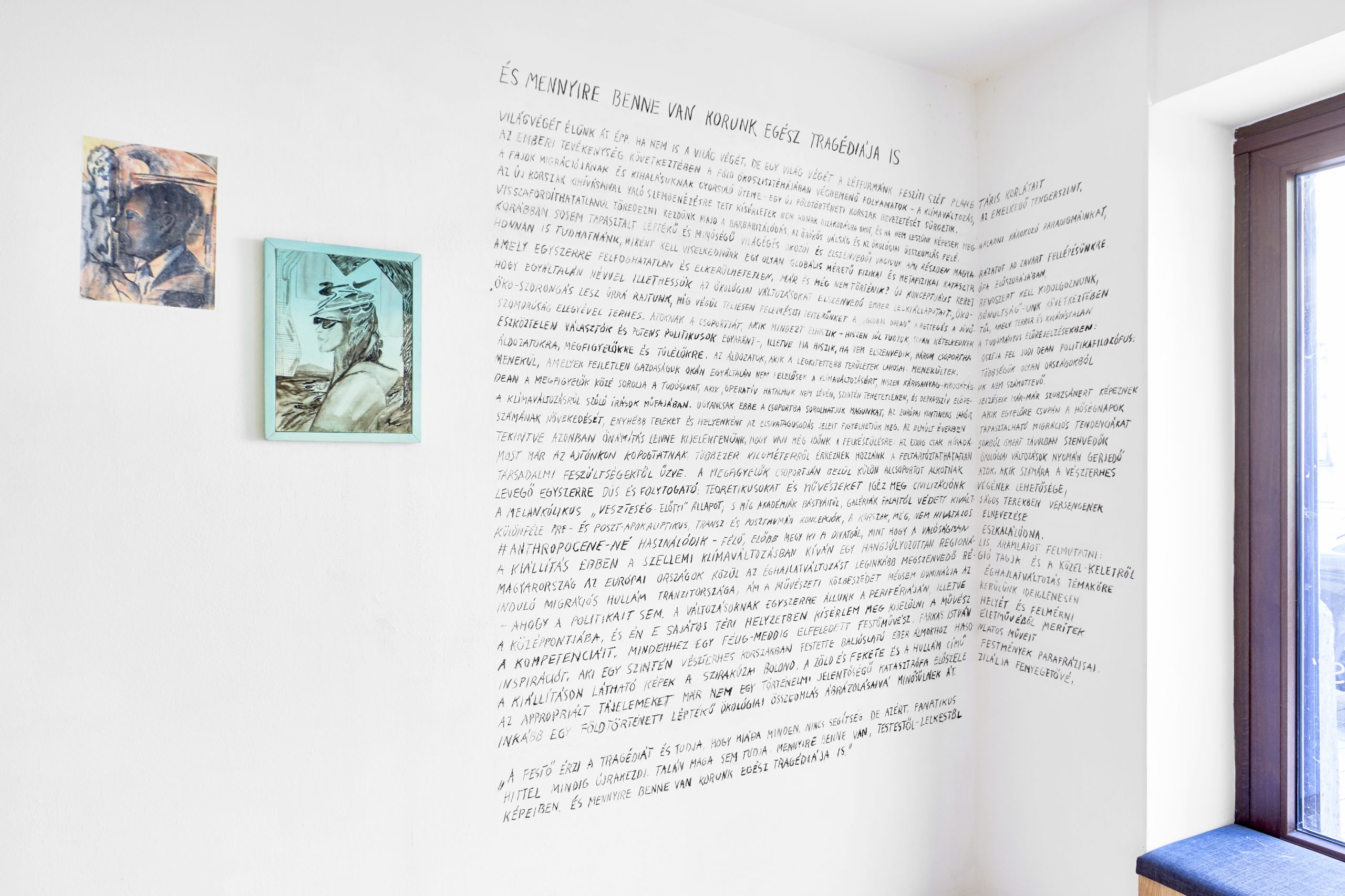
We are living through the end of the world. If not the end of the world, then at least the end of a world: our way of life stands on the brink.
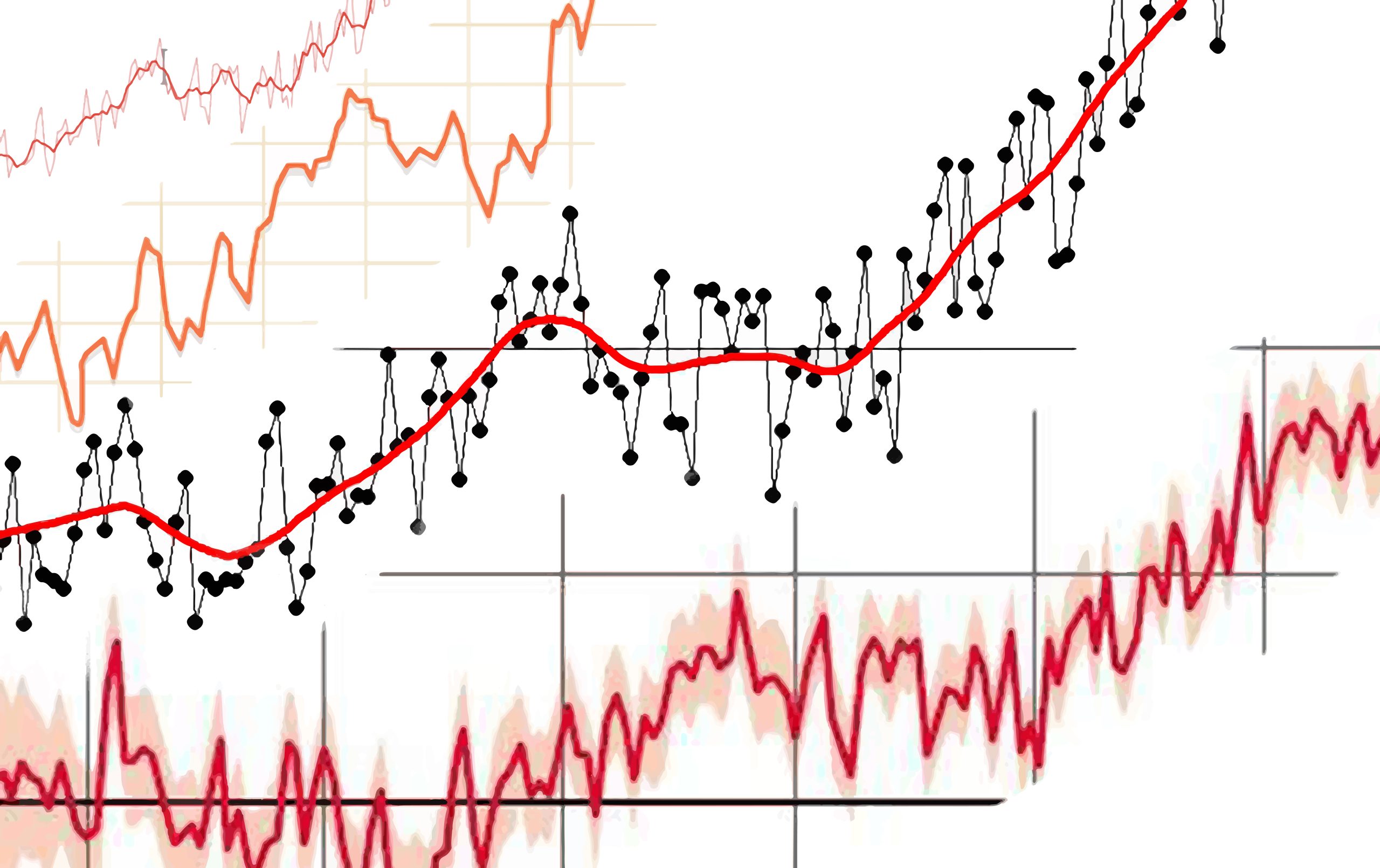
The consequences of human activity, manifested in ongoing transformations within the Earth’s ecosystems—climate change, rising sea levels, mass migration, and the accelerating extinction of species—have prompted calls for the recognition of a new geological epoch. Yet the efforts undertaken thus far to confront the challenges of this new era offer little reason for optimism. Unless we are able to move beyond destructive paradigms, we risk an irreversible descent into barbarization, permanent crisis, and ecological collapse.
We are simultaneously the agents and the victims of an unprecedented planetary conflagration, a condition that may help explain our disoriented responses. How are we to act in the face of an imminent catastrophe of global physical and metaphysical dimensions—a catastrophe that is at once unimaginable and unavoidable, not yet complete and yet already underway?
To describe the psychological condition of those living through ecological transformation, new conceptual frameworks are required. Our eco-paralysis gives rise to eco-anxiety, while our capacity for action is gradually consumed by a pervasive global dread: a fear of the future infused with terror and a profound sense of hopelessness. Those who acknowledge these developments—as opposed to the many who continue to question scientific predictions, from ordinary citizens to powerful politicians—can, according to political philosopher Jodi Dean, be divided into three groups: victims, observers, and survivors.
The victims are those who inhabit the regions most exposed to ecological disruption. They are increasingly becoming refugees, often fleeing countries whose underdeveloped economies have contributed least to climate change and whose emissions remain comparatively negligible.
Dean places scholars among the observers. Possessing little direct political power, they remain largely unable to intervene, and their increasingly bleak prognoses have become almost a subgenre of climate writing. We might also place ourselves within this category: the inhabitants of Europe, who have thus far experienced climate change primarily through rising temperatures and, in some regions, the first signs of desertification. Yet in light of recent migratory movements, it would be self-deceptive to claim that there is still ample time to prepare. Those who once appeared only in news reports are now arriving at our borders, having travelled thousands of kilometres, driven by social tensions intensified by ecological transformation.
Among the observers there exists a distinct subgroup for whom this ominous atmosphere is both intellectually productive and suffocating. Theorists and artists are captivated by the prospect of civilizational collapse and by a melancholic condition of anticipatory loss. Within the privileged spaces of universities and galleries, protected by institutional walls, pre- and post-apocalyptic, transhuman and posthuman concepts compete for attention. Meanwhile, the still unofficial name of the epoch—the Anthropocene—has become an intellectual keyword. One fears, however, that it may pass out of fashion before its full reality has unfolded.
This exhibition seeks to illuminate a distinctly regional tendency within this changing intellectual climate. Hungary is among the European countries most vulnerable to the effects of climate change and simultaneously occupies a transit position within migratory routes extending from the Middle East. Yet neither climate change nor its political implications have become dominant concerns within contemporary Hungarian artistic discourse.
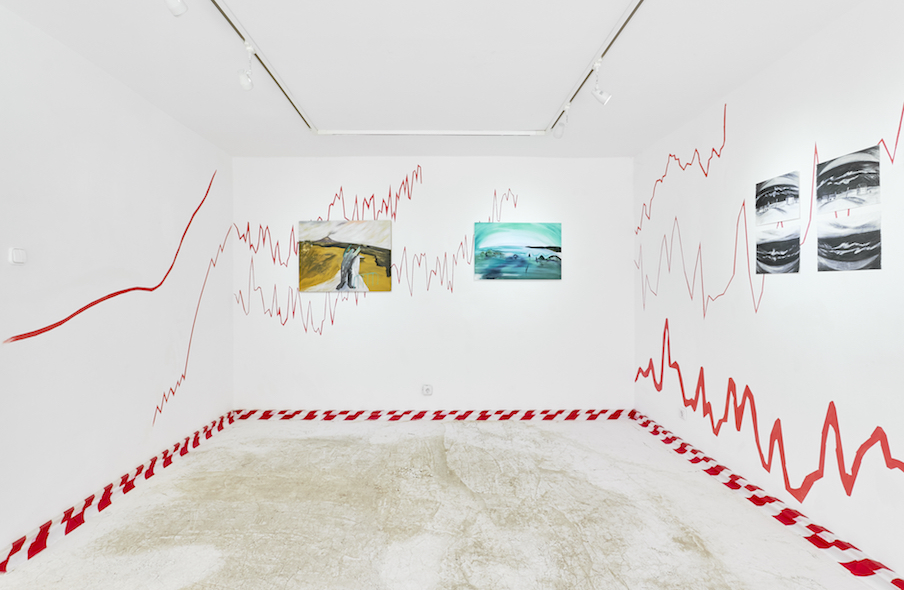
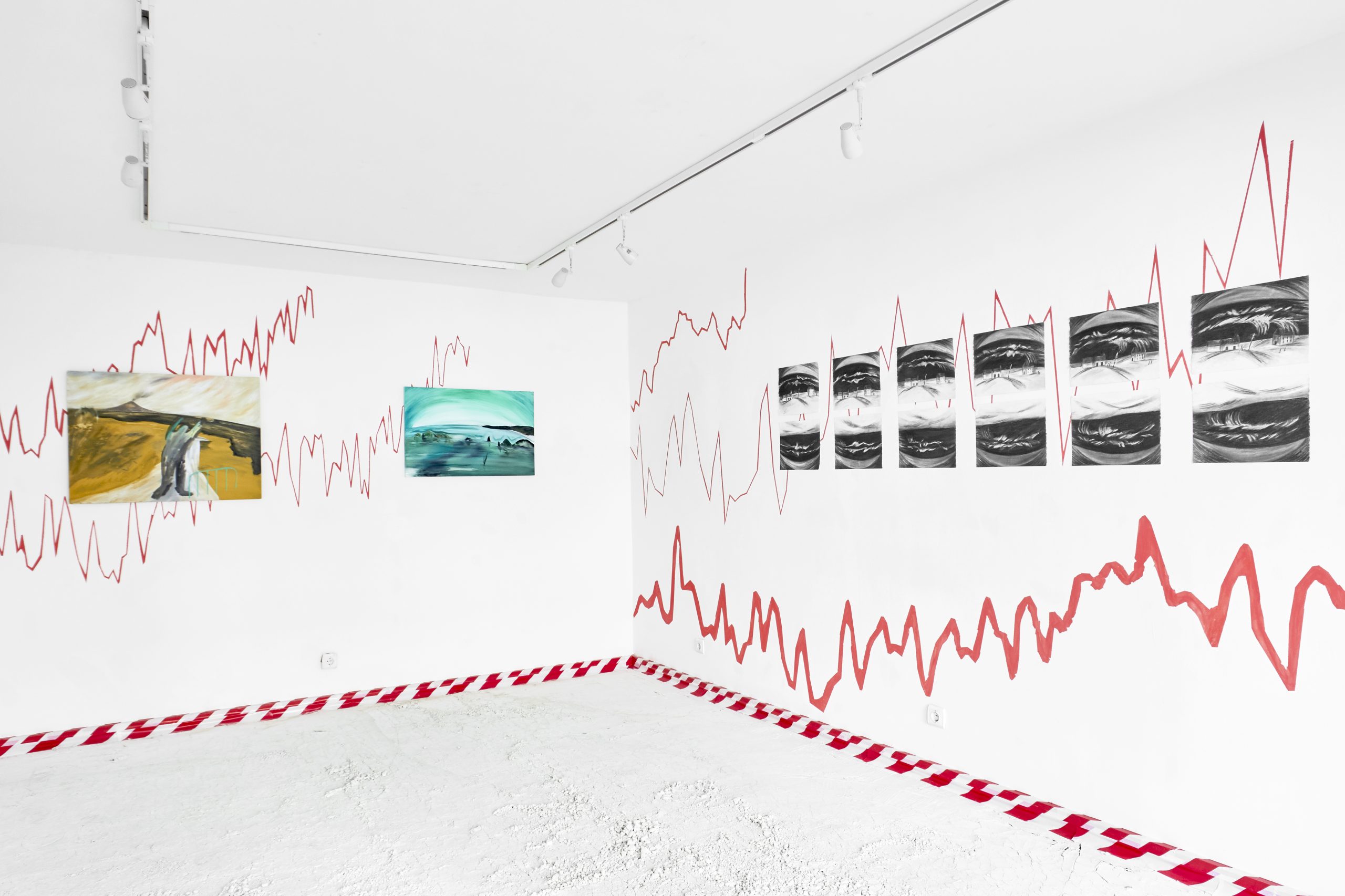
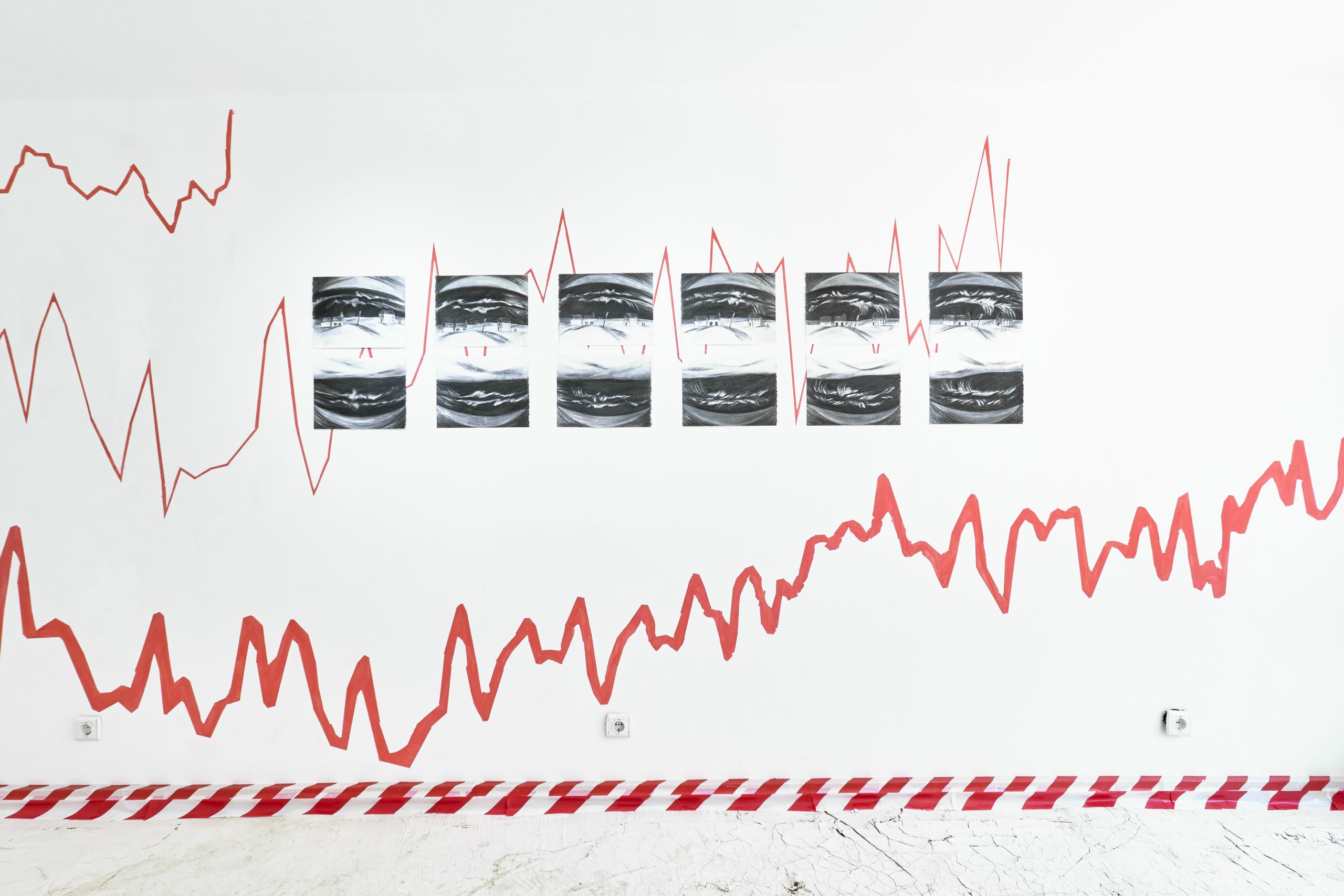
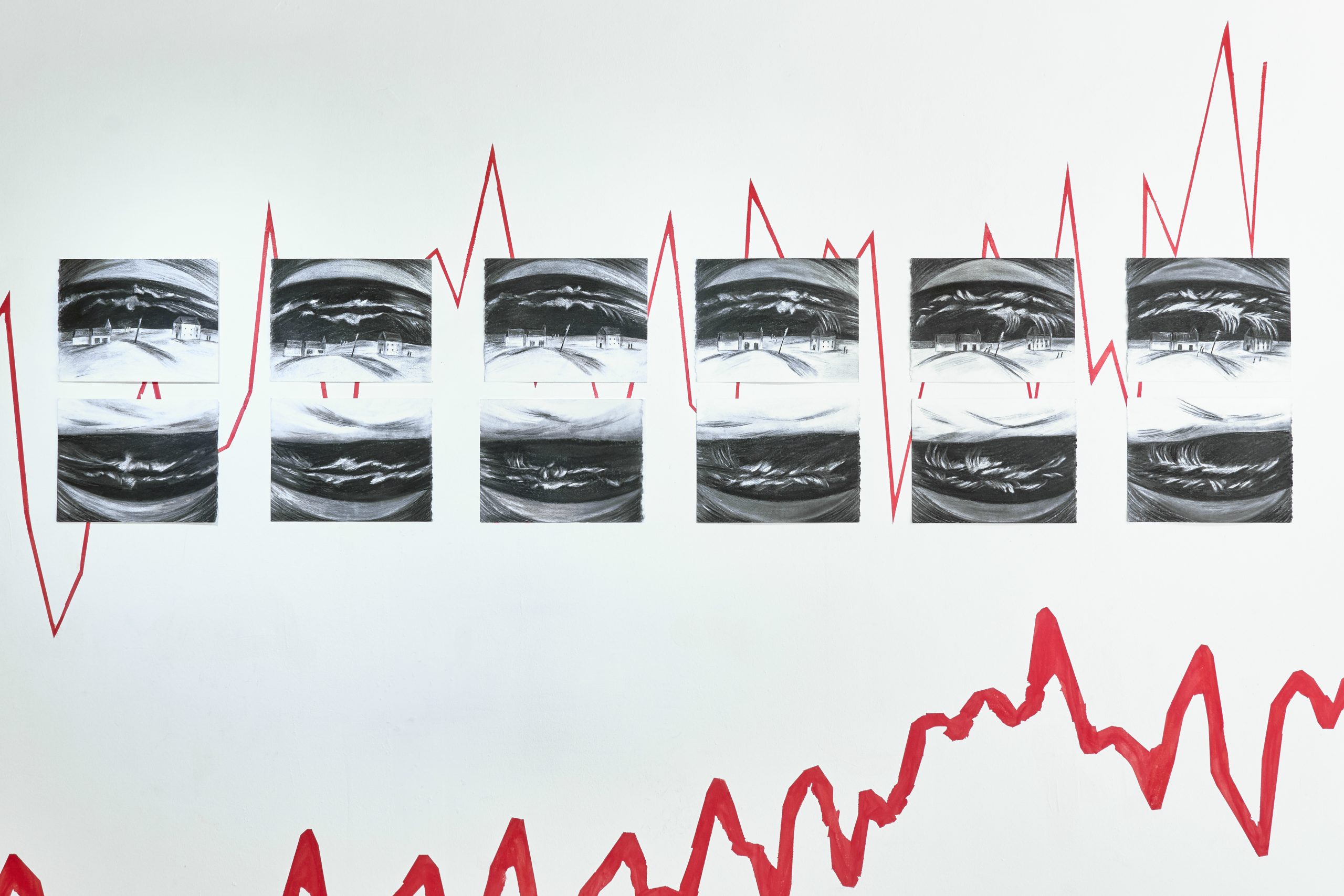
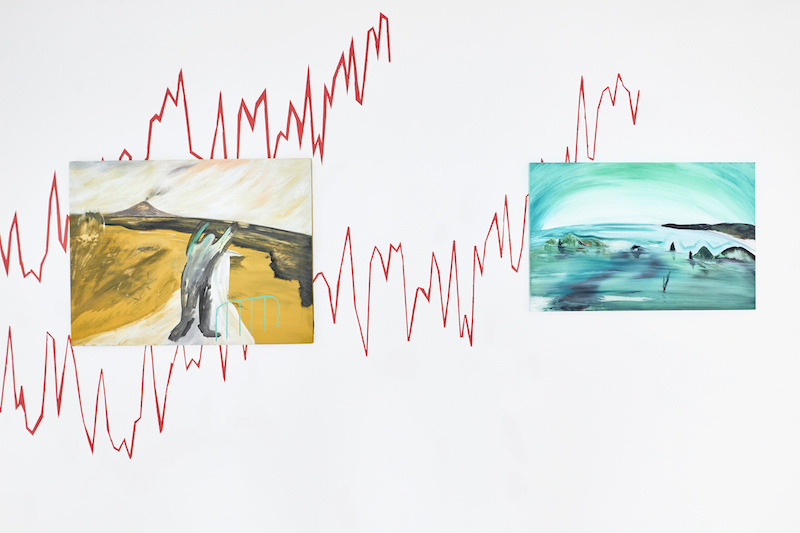
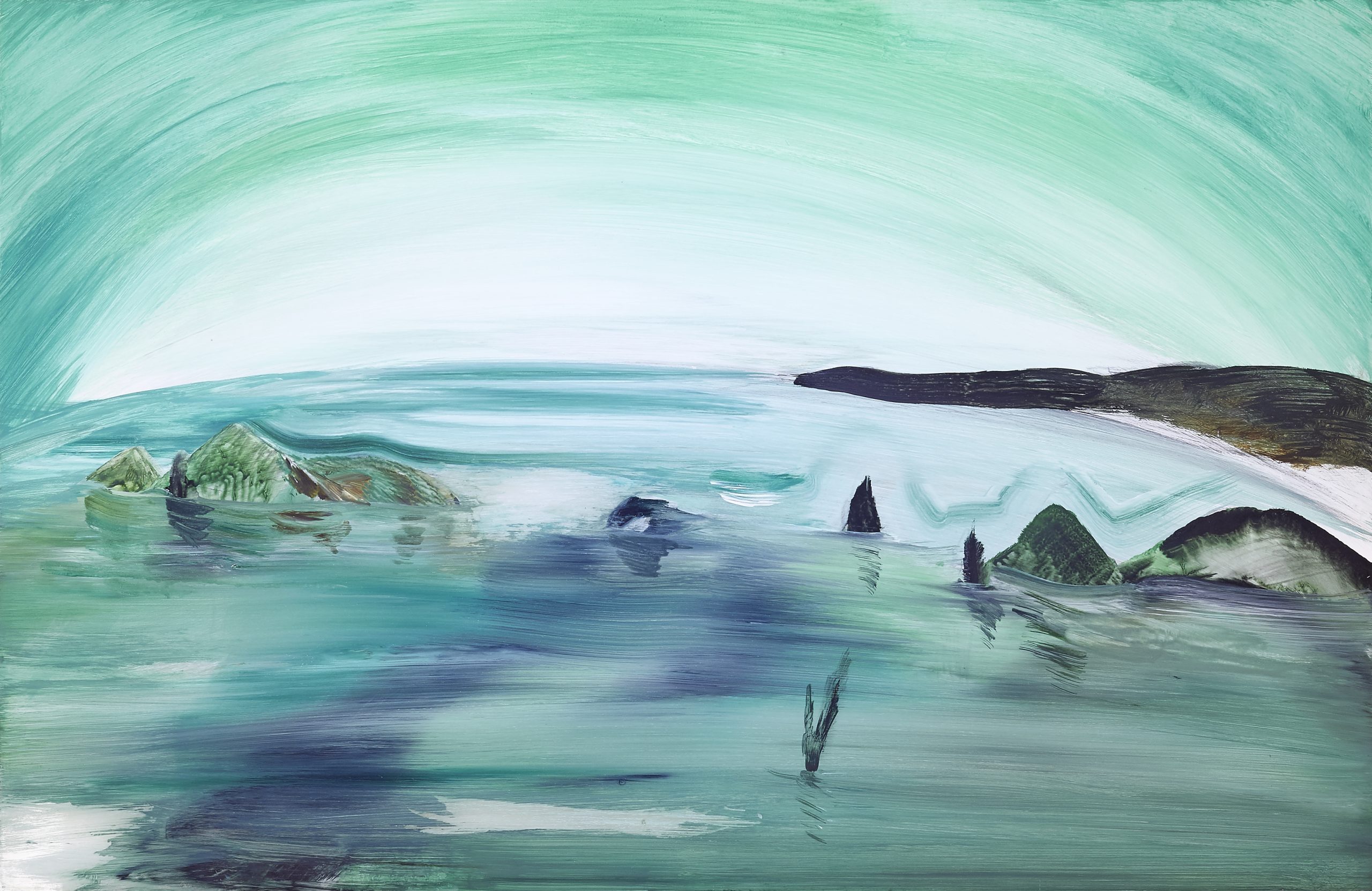
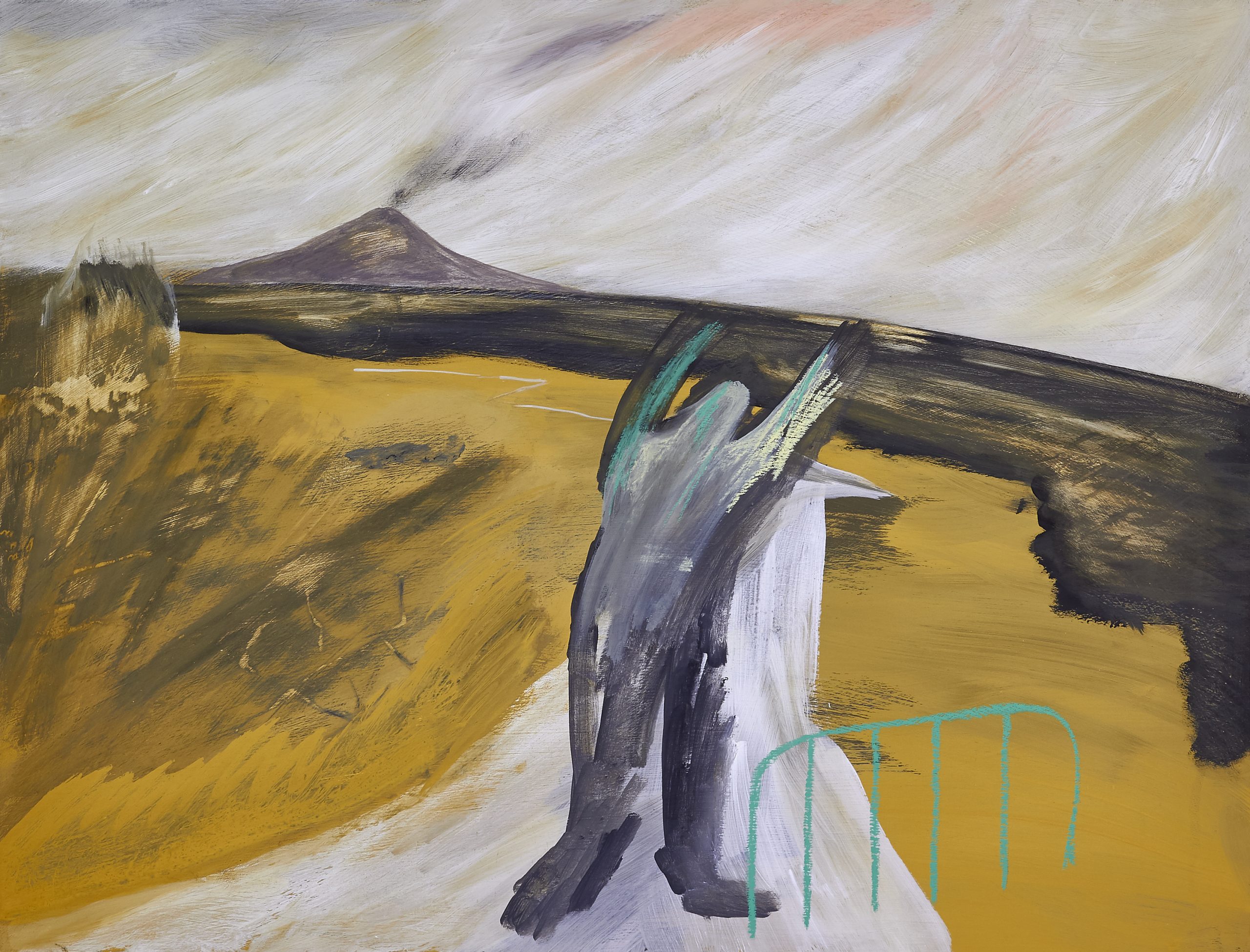
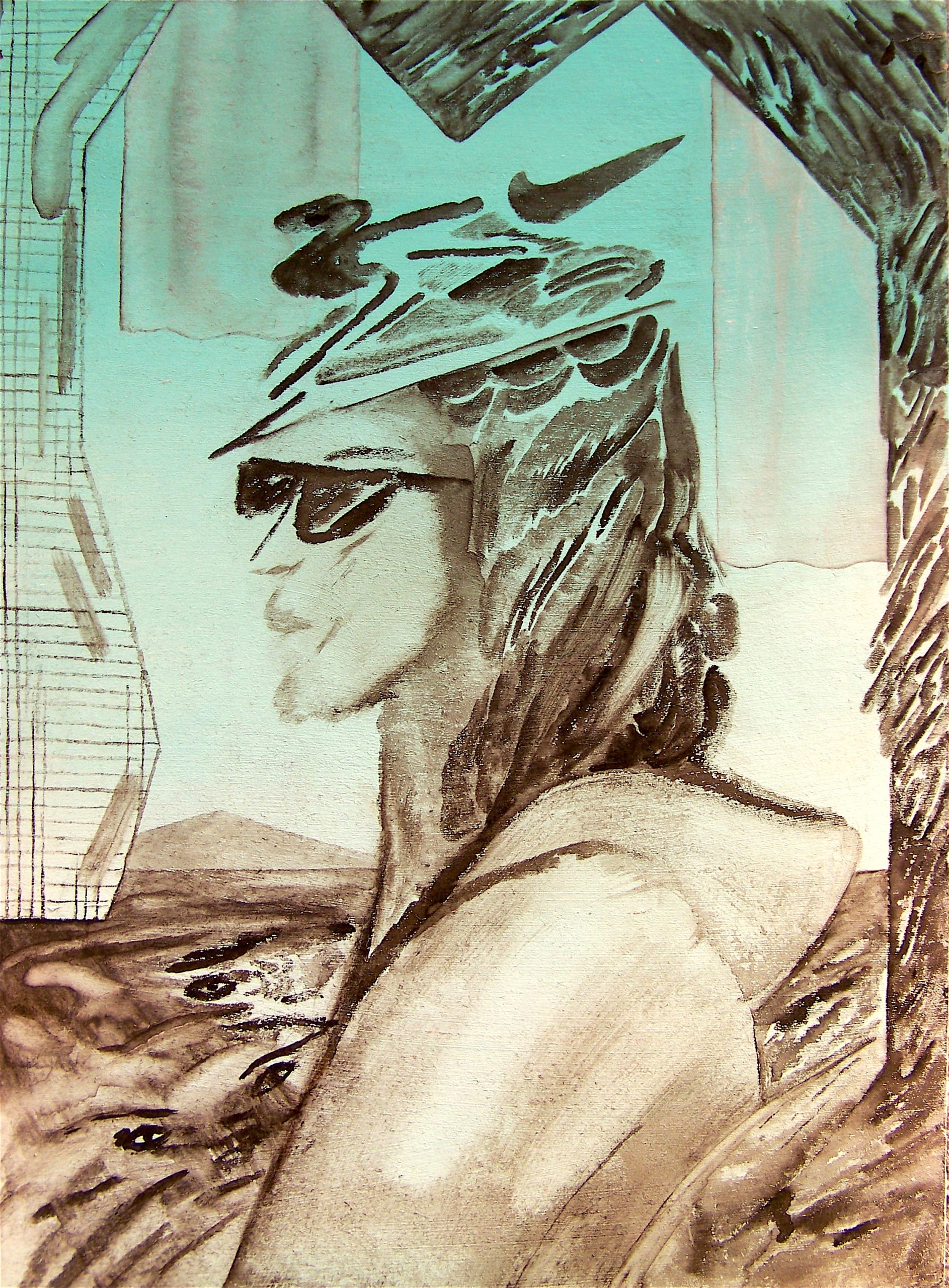
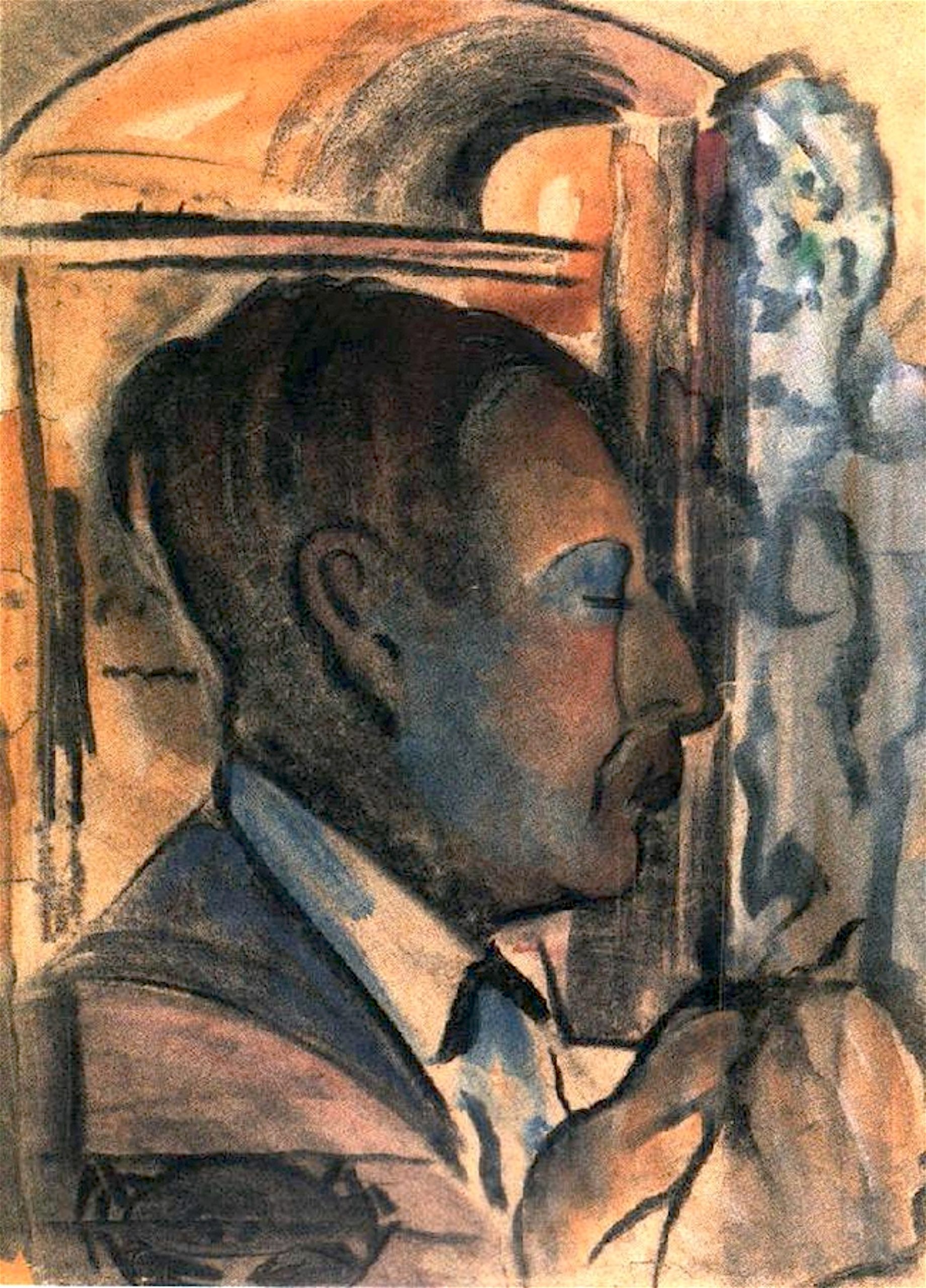
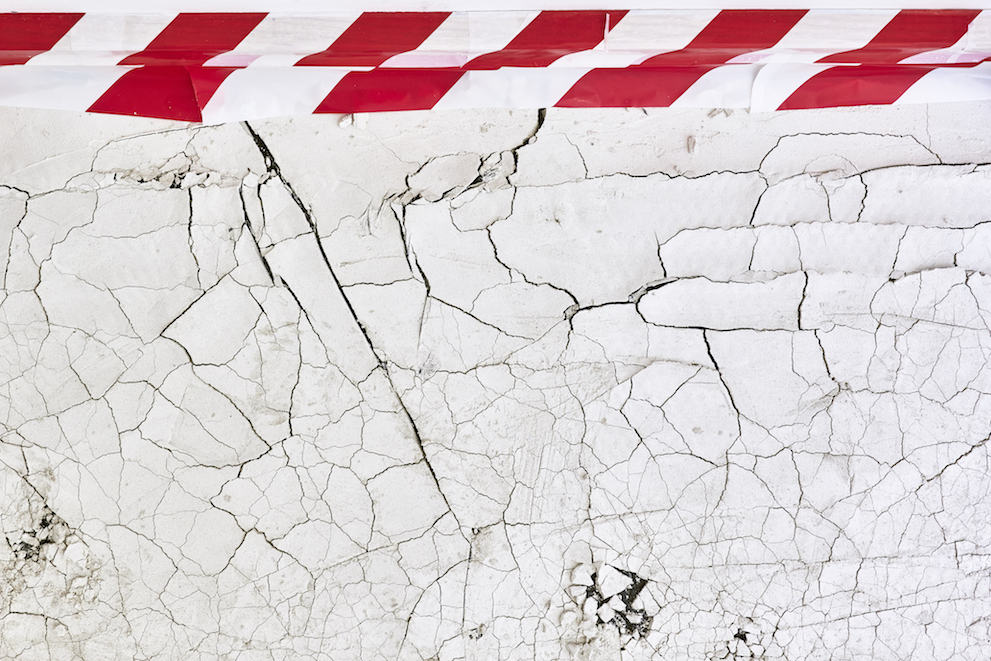
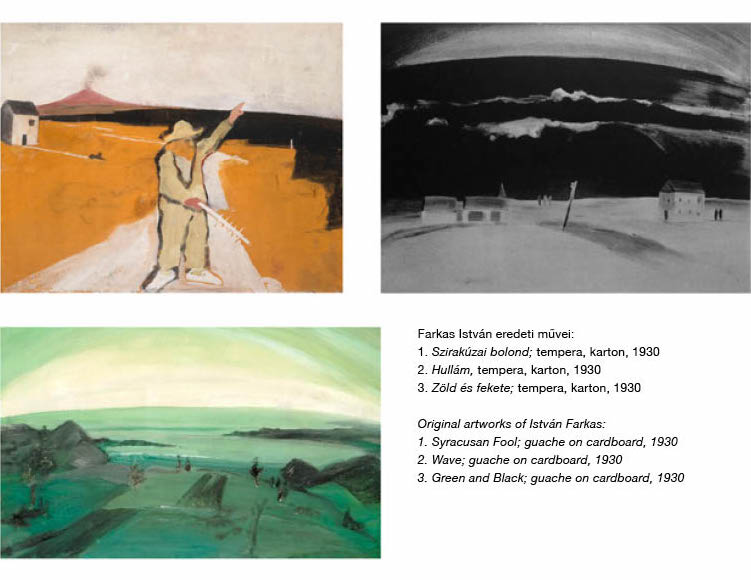
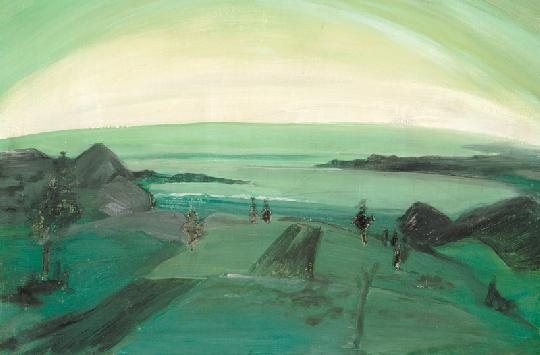
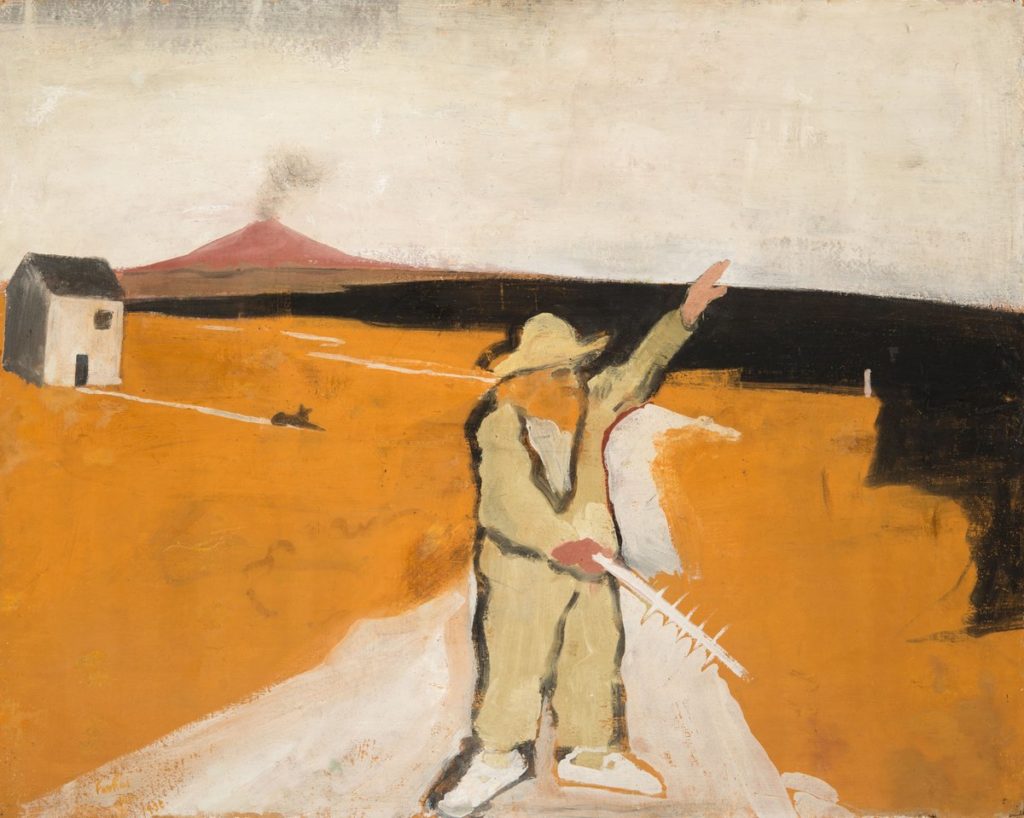
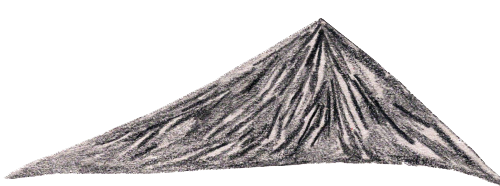
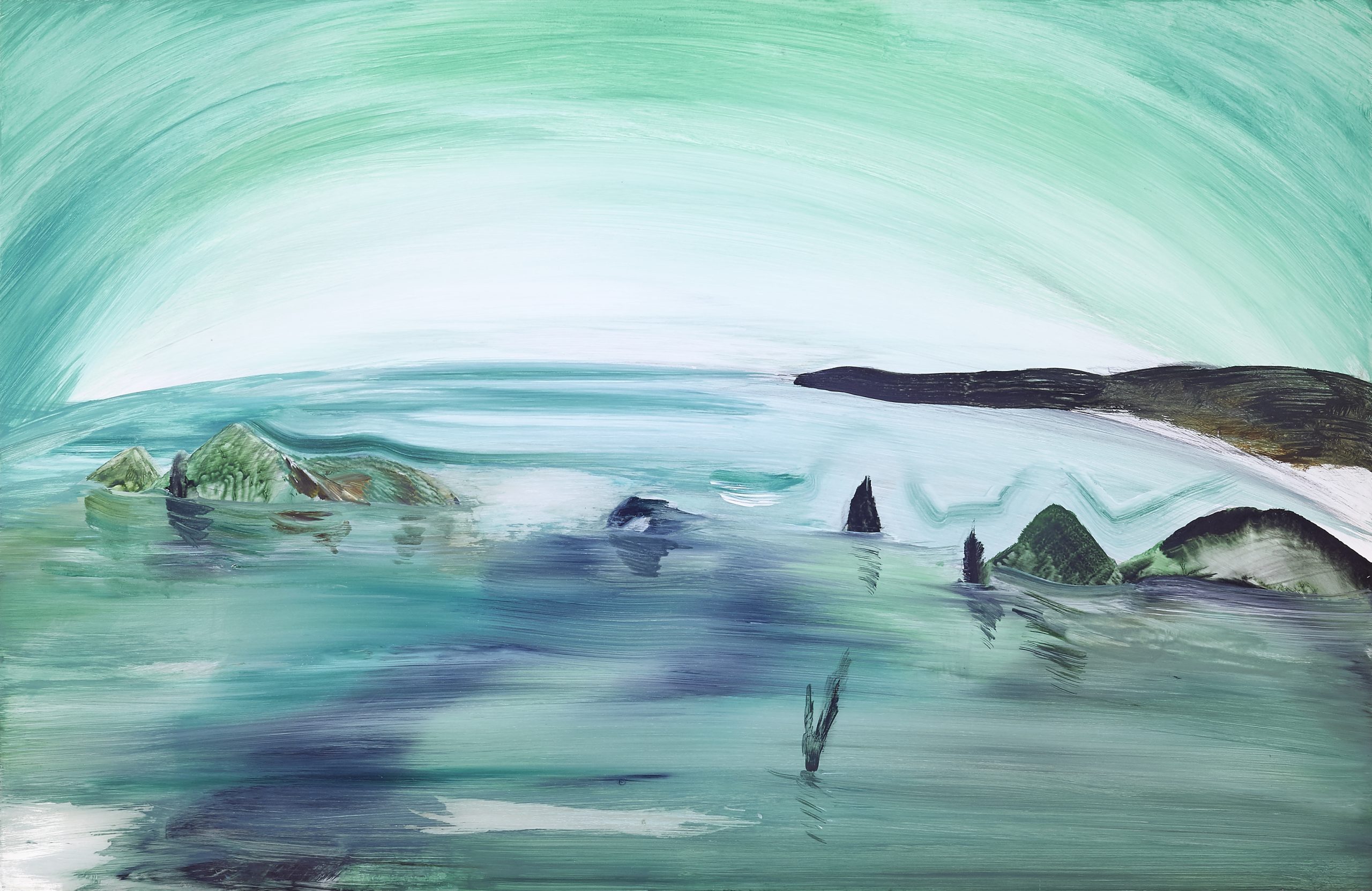
We stand both at the margins and, temporarily, at the centre of these transformations. From this peculiar position, I attempt to consider the place of art and to assess its capacities. In doing so, I draw inspiration from the work of the partly forgotten Hungarian painter István Farkas, whose paintings resemble ominous waking dreams produced during an equally foreboding historical moment. The works presented in the exhibition are paraphrases of Syracusan Fool, Green and Black, and Wave. The borrowed visual motifs are no longer disturbed by the winds of a historically specific catastrophe; instead, they have been reconfigured as images of ecological collapse unfolding on a geological scale.
“The painter senses the tragedy and knows that everything is futile; there is no help. Yet he always begins again, with fanatical faith. Perhaps he himself does not know how much heart and soul reside in his work. Nor how much of the tragedy of our age is present within it.”
One additional note: this text reads very much like a late-2010s Anthropocene discourse (around 2015–2019). If you are using it today, for a dissertation or republication, I would probably update certain terms—especially migration, Anthropocene discourse, and the observer/victim/survivor triad—to reflect more recent debates around the Capitalocene, Plantationocene, climate justice, and ecological grief. That would make it feel less tied to the intellectual climate of a decade ago while preserving its central argument.
(Jenő Nyilas-Kolb on István Farkas, 1935)
Trapp Dominika
1 Glenn Aalbrecht: Psychoterratica
http://psychoterratica.com/index.html
2 Jodi Dean: The Anamorphic Politics of Climate Change
http://www.e-flux.com/journal/the-anamorphic-politics-of-climate-change/
3 Klímaváltozás, társadalom, gazdaság – Hosszú távú területi folyamatok és trendek Magyarországon; edited by.: Czirfusz Márton, Hoyk Edit, Suvák Andrea
http://nater.rkk.hu/wp-content/uploads/2015/12/klimavaltozas_e_teljes.pdf
4 Nyilas-Kolb Jenö: Farkas István. Budapest. BFF Kiadása. 1935. 28. p.